CM Fadnavis: Next generation will not suffer droughts
Synopsis
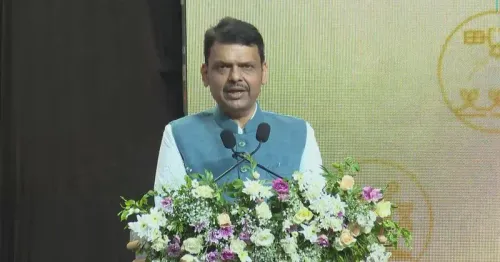
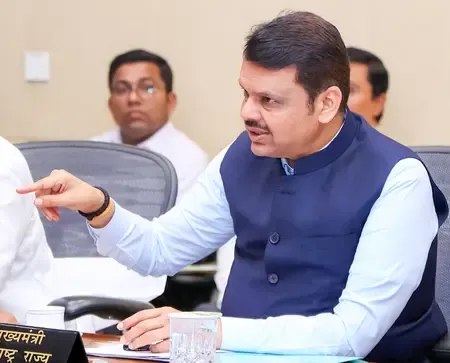
Chief Minister Devendra Fadnavis has pledged that Maharashtra's next generation will not bear the burden of drought, signalling the state government's continued commitment to watershed conservation, rural water security, and agriculture protection as a long-term governance priority.
Key Takeaways
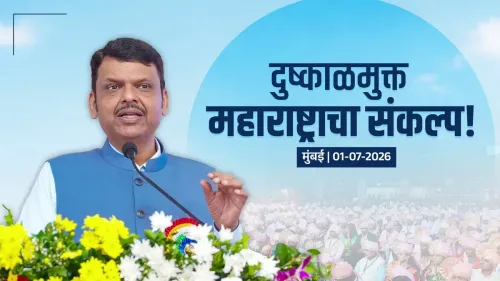
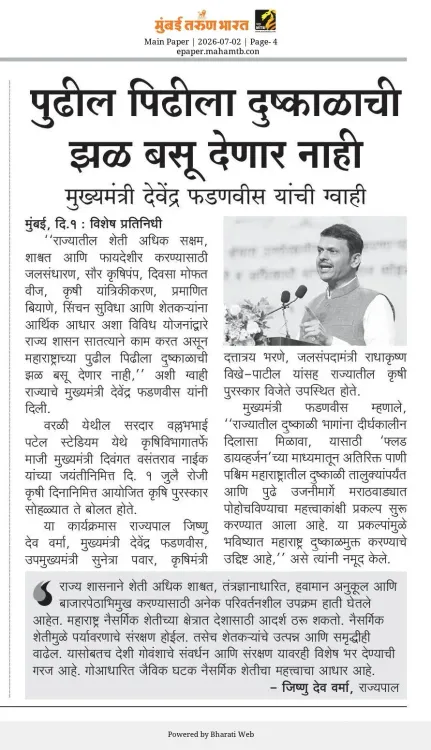
CM Devendra Fadnavis declared on 2 July 2026 that the next generation will not suffer drought's impact, as shared by the Chief Minister's Office of Maharashtra on X.
The statement was made in Marathi : 'पुढील पिढीला दुष्काळाची झळ बसू देणार नाही' — 'We will not let the next generation feel the heat of drought.' The pledge builds on Fadnavis's earlier flagship initiative, Jalyukt Shivar Abhiyan , launched in 2015 to make Maharashtra drought-free through watershed development.
Key beneficiaries include drought-prone farmers in Marathwada , Vidarbha , and North Maharashtra — regions historically battered by erratic monsoons and groundwater depletion.
Concrete follow-through will be tracked via upcoming state budget allocations , new scheme announcements, and watershed programme progress reports.
The Chief Minister's Office of Maharashtra posted on X on 2 July 2026, sharing a commitment from Chief Minister Devendra Fadnavis that the next generation will be shielded from the devastation of drought — a pledge that underscores the state government's ongoing focus on water security and rural resilience.
The post, tagged with #Maharashtra, #DevendraFadnavis, and #Agriculture, carries the Marathi declaration: 'पुढील पिढीला दुष्काळाची झळ बसू देणार नाही' — translated as 'We will not let the next generation feel the heat of drought.' The statement signals the Fadnavis administration's intent to make drought-proofing a generational mission rather than a seasonal response.
Context
Maharashtra has historically been one of India's most drought-vulnerable states, with large swathes of Vidarbha, Marathwada, and parts of North Maharashtra facing recurring water scarcity. Erratic monsoons and rapid groundwater depletion have placed persistent pressure on farming households, threatening both livelihoods and food security across millions of rural families.
The pledge by CM Fadnavis to protect future generations from drought speaks directly to this long-standing vulnerability, framing water conservation not merely as infrastructure policy but as an intergenerational responsibility.
Policy Backdrop
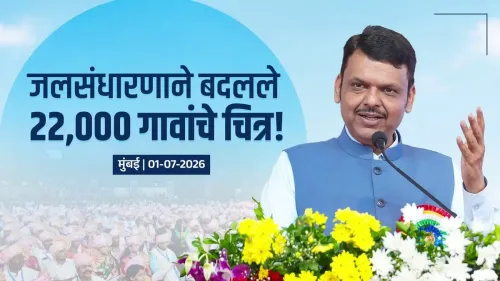
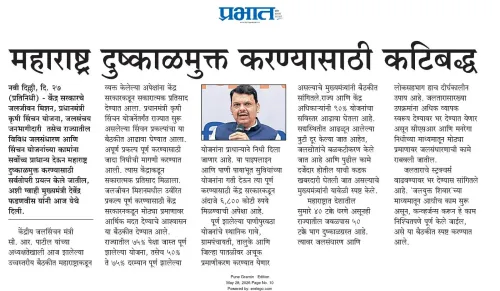
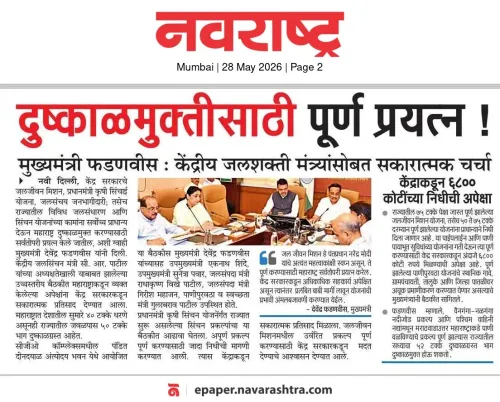
This is not the first time Fadnavis has anchored his governance identity around drought relief. During his earlier tenure as Chief Minister, his administration launched the flagship Jalyukt Shivar Abhiyan in 2015 — a statewide watershed programme designed to make Maharashtra drought-free by deepening streams, constructing check dams, and desilting water bodies across thousands of villages.
That programme became one of the most widely discussed rural water initiatives in Maharashtra's recent policy history, drawing both praise for its scale and scrutiny over implementation. The renewed emphasis on drought-proofing suggests the current administration is building on — and potentially expanding — that earlier policy foundation.
Successive state governments have also pursued expanded irrigation coverage, canal network upgrades, and micro-irrigation schemes as part of a broader strategy to insulate Maharashtra's agricultural sector from climate variability.
Stakeholders and Impact
Drought-prone farmers across Marathwada and Vidarbha stand as the most immediate stakeholders in any such commitment. These regions have witnessed cycles of crop failure, debt distress, and farmer suicides that have made water access a politically and humanly charged issue for decades.
Rural households dependent on rain-fed agriculture — particularly smallholders growing soybean, cotton, and pulses — would be the primary beneficiaries of sustained drought-proofing investments. Broader gains could flow to village economies, groundwater tables, and the state's overall agricultural output.
What's Next
Observers will now watch for concrete policy announcements that translate this pledge into measurable targets — including budget allocations for watershed works in the next state budget, new scheme launches, or specific coverage goals for 2030 and beyond.
Progress reports on ongoing water conservation works, district-level implementation data, and any new inter-departmental coordination frameworks will be key indicators of whether this commitment moves from declaration to delivery. The statement sets a high bar: not just managing drought, but eliminating its generational toll.
Point of View
Distancing his administration from reactive relief politics. By invoking the 'next generation,' he signals ambition beyond electoral cycles, echoing the rhetorical register of his earlier Jalyukt Shivar Abhiyan. However, the gap between declaration and delivery has historically been Maharashtra's Achilles heel on water policy, and the credibility of this pledge will ultimately rest on budget allocations and verifiable ground-level outcomes. The post also keeps agriculture and rural distress — perennially sensitive issues in Maharashtra — front and centre as the state heads into future electoral seasons.
NationPress
2 Jul 2026
Frequently Asked Questions
What did CM Devendra Fadnavis say about drought in Maharashtra in 2026?
On 2 July 2026, CM Devendra Fadnavis pledged that Maharashtra's next generation will not suffer the impact of drought, as shared by the Chief Minister's Office on X. The statement was made in Marathi and tagged under agriculture and Maharashtra.
What is Jalyukt Shivar Abhiyan and how does it relate to drought in Maharashtra?
Jalyukt Shivar Abhiyan was a flagship watershed programme launched by the Fadnavis government in 2015 to make Maharashtra drought-free by deepening streams, building check dams, and desilting water bodies across thousands of villages.
Which regions of Maharashtra are most affected by drought?
Marathwada, Vidarbha, and parts of North Maharashtra are the most drought-prone regions in the state, where erratic monsoons and groundwater depletion regularly threaten farming households and rural livelihoods.
What policies is the Maharashtra government using to fight drought?
Maharashtra has pursued watershed development programmes like Jalyukt Shivar Abhiyan, expanded irrigation networks, canal upgrades, and micro-irrigation schemes to protect agriculture from climate variability and recurring drought.
How will Maharashtra's drought-proofing commitment be measured?
Progress will be tracked through state budget allocations for watershed works, new scheme announcements, district-level implementation data, and any specific coverage targets set for 2030 and beyond.