Shekhawat hails Rs 34,102 cr Rajasthan-Haryana Yamuna water deal
Synopsis
Union Minister Gajendra Singh Shekhawat has welcomed the finalisation of the 32-year-pending Rajasthan-Haryana Yamuna water agreement. A Rs 34,102 crore, 295 km underground pipeline from Hathni Kund Barrage will supply water to Churu, Sikar, Jhunjhunu and other arid districts, fulfilling the vision of late Bhairon Singh Shekhawat.
Key Takeaways
The Rajasthan-Haryana Yamuna water agreement , pending for 32 years since a 1994 MoU , has been formally sealed.
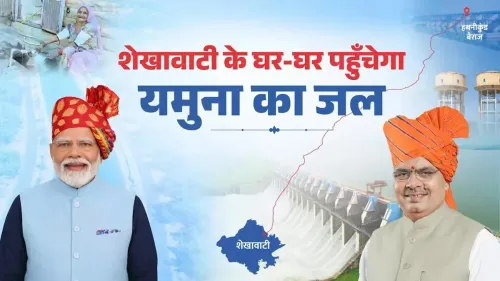
Water will be drawn from Hathni Kund Barrage in Haryana and transported via a 295-km underground pipeline to Rajasthan.
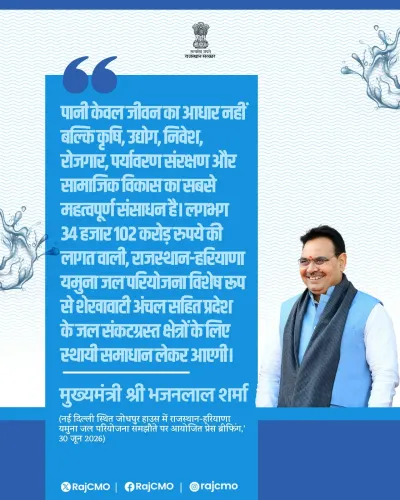
The project is estimated at ₹34,102 crore , one of the largest interstate water infrastructure undertakings in the region.
Key beneficiary districts include Churu, Sikar and Jhunjhunu in the water-scarce Shekhawati belt.
The agreement is framed as the fulfilment of the legacy of former Rajasthan CM and Vice President Bhairon Singh Shekhawat .
Next steps include Detailed Project Report approval, central fund release, and tendering for the pipeline.
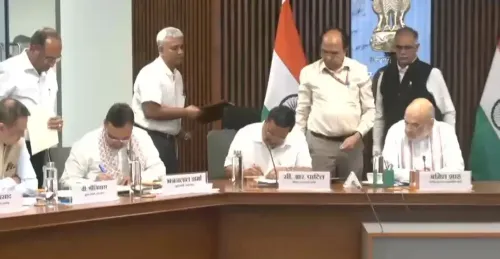
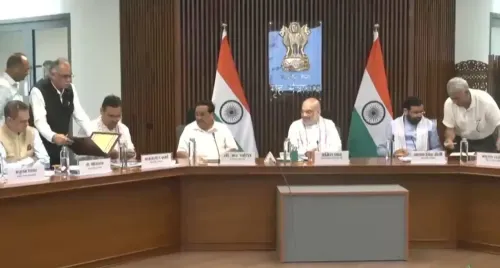
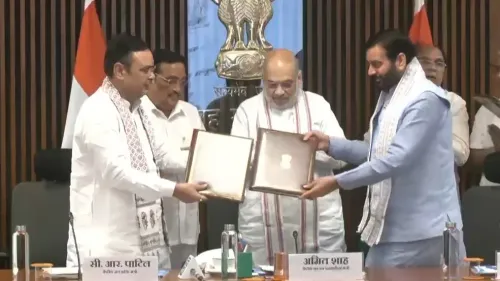
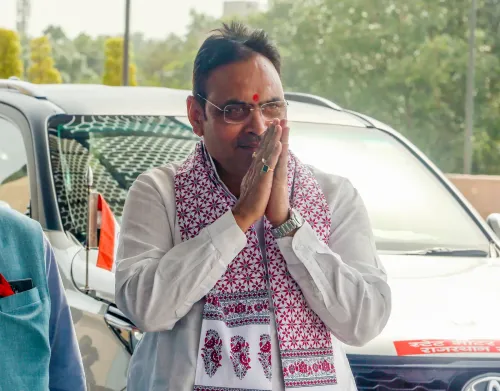
Union Culture and Tourism Minister Gajendra Singh Shekhawat on Thursday, 2 July 2026, celebrated the finalisation of a long-pending interstate water-sharing agreement between Rajasthan and Haryana, calling it a historic resolution of a 32-year-old deadlock over Yamuna river water allocation.
Context
Posting on X in Hindi, Shekhawat wrote: 'सपनों से हकीकत तक, मरुधरा की प्यास बुझाने का ऐतिहासिक संकल्प!' ('From dreams to reality — a historic resolve to quench the thirst of the desert land!'). He announced that the Rajasthan-Haryana Yamuna water agreement, pending for 32 years, has finally been sealed. The minister framed the development as the fulfilment of the vision of late Bhairon Singh Shekhawat, the former Chief Minister and Vice President of India who had long championed water security for arid Rajasthan.
The original framework for Yamuna water sharing among Haryana, Rajasthan, Uttar Pradesh and Delhi was established through a Memorandum of Understanding in May 1994, but Rajasthan's share under that accord remained unimplemented for three decades.
Policy Backdrop
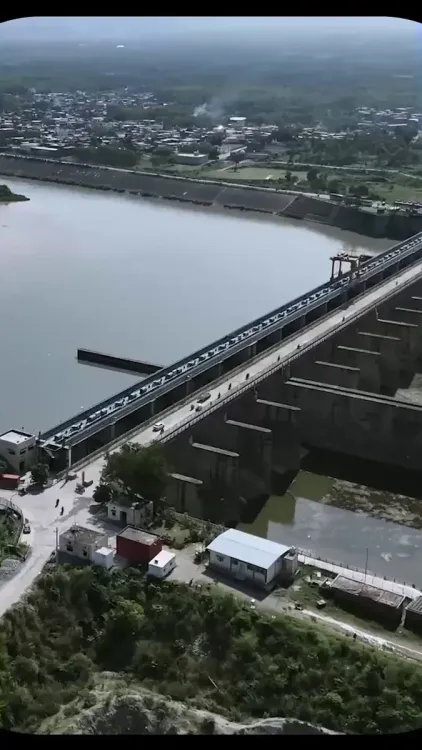
At the heart of the agreement is a plan to draw water from Hathni Kund Barrage — a key diversion structure on the Yamuna in Yamunanagar district, Haryana — and transport it to Rajasthan through a 295-kilometre underground pipeline. The project is estimated to cost ₹34,102 crore, making it one of the largest interstate water infrastructure undertakings in the region. Underground pipelines are increasingly preferred over open canals in arid zones to minimise evaporation losses across long distances.
Successive governments at both the Centre and in Rajasthan have attempted to revive the 1994 MoU framework, but coordination hurdles and resource constraints repeatedly stalled progress. The current agreement represents the first concrete step toward physical execution of that original commitment.
Stakeholders and Impact
The project is expected to deliver drinking water and irrigation supply to the water-deficit districts of Churu, Sikar and Jhunjhunu — collectively known as the Shekhawati region — along with several other districts in north and north-eastern Rajasthan. These areas have historically depended on groundwater, which is rapidly depleting in many blocks.
Beyond drinking water, Shekhawat highlighted that agriculture and industry in the region would receive a significant boost. Farmers in the Shekhawati belt, who often rely on monsoon-dependent or brackish groundwater, stand to gain the most from a reliable surface-water supply. The pipeline's underground design also limits land acquisition disputes that have derailed similar canal projects in the past.
What's Next
The immediate milestones to watch include formal approval of the Detailed Project Report, release of central funds, and the launch of the tendering process for the 295 km pipeline. A joint coordination committee between the Rajasthan and Haryana water departments is expected to be constituted to oversee implementation. Political messaging around the project will likely continue to invoke the legacy of Bhairon Singh Shekhawat, reinforcing the BJP's regional identity in Rajasthan ahead of future electoral cycles. If the project proceeds on schedule, it could reshape water availability across some of India's most arid districts and serve as a model for other long-pending interstate river accords.
Point of View
The timing and framing — invoking the memory of Bhairon Singh Shekhawat — serves a dual purpose: demonstrating governance delivery in a key state while cementing the party's emotional connect with Rajasthan's electorate. The ₹34,102 crore underground pipeline, if executed on schedule, would mark one of the most consequential water infrastructure commitments in north India in recent years. However, the gap between agreement and implementation remains the critical test, given the 1994 MoU's own unfulfilled history.
NationPress
2 Jul 2026
Frequently Asked Questions
What is the Rajasthan-Haryana Yamuna water agreement?
It is an interstate accord to share Yamuna river water between Rajasthan and Haryana, rooted in a 1994 MoU that remained unimplemented for 32 years. The agreement was finally sealed in 2026, paving the way for a major pipeline project to bring water to arid Rajasthan districts.
What is the Hathni Kund Barrage and why is it important for Rajasthan?
Hathni Kund Barrage is a diversion structure on the Yamuna River in Yamunanagar district, Haryana. It is the designated starting point of the 295-km underground pipeline that will carry Yamuna water to Rajasthan under the new agreement.
Which districts in Rajasthan will benefit from the Yamuna water pipeline?
The districts of Churu, Sikar and Jhunjhunu — in the Shekhawati region — are among the primary beneficiaries, along with several other arid districts in north and north-eastern Rajasthan.
What is the cost and length of the Rajasthan Yamuna water pipeline project?
The project involves a 295-kilometre underground pipeline and is estimated to cost ₹34,102 crore, making it one of the largest interstate water infrastructure projects in the region.
Who was Bhairon Singh Shekhawat and what is his connection to this water project?
Bhairon Singh Shekhawat was a former Chief Minister of Rajasthan and later Vice President of India, known for championing water security in the state's arid districts. Union Minister Gajendra Singh Shekhawat has invoked his legacy, framing the 2026 agreement as the realisation of his long-held vision.