CM Fadnavis: No Drought-Hit Farmer Left Without Aid in Maharashtra
Synopsis
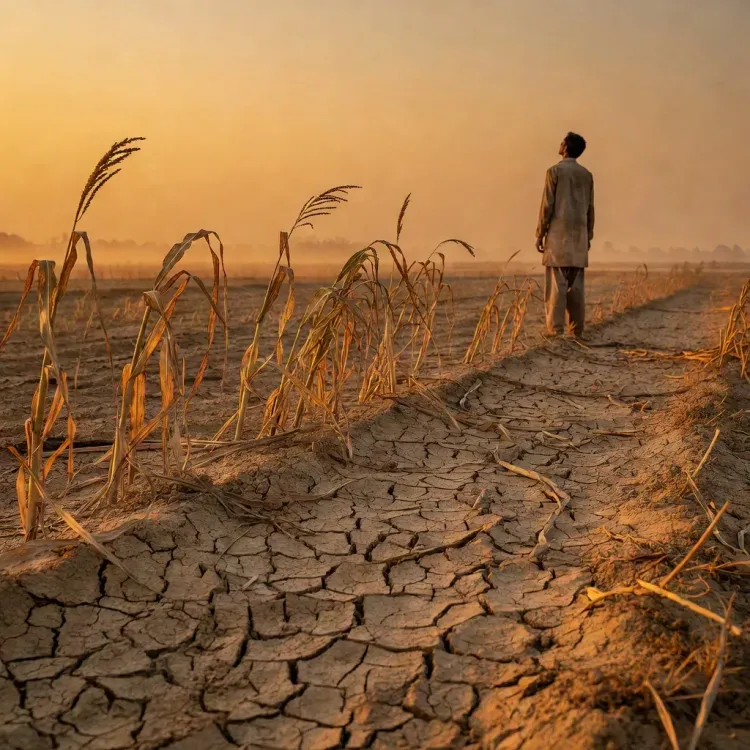
Chief Minister Devendra Fadnavis has declared drought in 265 Maharashtra talukas, assured Trigger 3 surveys for excluded zones, prioritised drinking water district-by-district, flagged El Niño as a February risk, and confirmed flood relief in Gadchiroli's Bhamragad amid simultaneous weather crises.
Key Takeaways
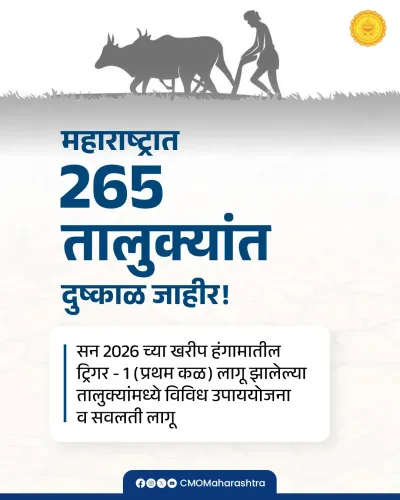
265 talukas in Maharashtra have been officially declared drought-hit due to rainfall deficit, with 12 relief measures and concessions activated.
Talukas not on the initial list will be surveyed and eligible ones included under the Trigger 3 drought relief mechanism.
CM Devendra Fadnavis assured that no resident will be denied drought assistance, and that crop-loss compensation will follow prescribed procedures.
Drinking water has been prioritised in every district's action plan; surplus water may be allocated for the rabi season after July–August reservations are secured.
An El Niño study is underway, with a possible peak by end of February informing the state's forward planning on water and agriculture.
Bhamragad, Gadchiroli is dealing with concurrent flooding linked to heavy rains in Chhattisgarh; the CM confirmed government support and said conditions are improving.
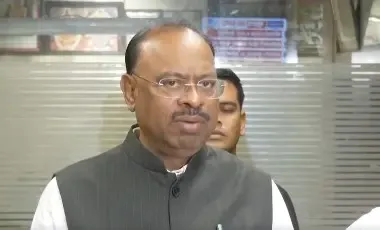
A rainfall deficit severe enough to push hundreds of Maharashtra's talukas into declared drought has drawn a firm public commitment from the state's top office: not a single affected resident will be turned away from relief. The Chief Minister's Office of Maharashtra confirmed on Sunday, 27 September 2026 that Chief Minister Devendra Fadnavis has pledged comprehensive drought assistance across the state, including a fresh survey of talukas excluded from the initial list.
265 Talukas Declared Drought-Hit — and the List May Grow
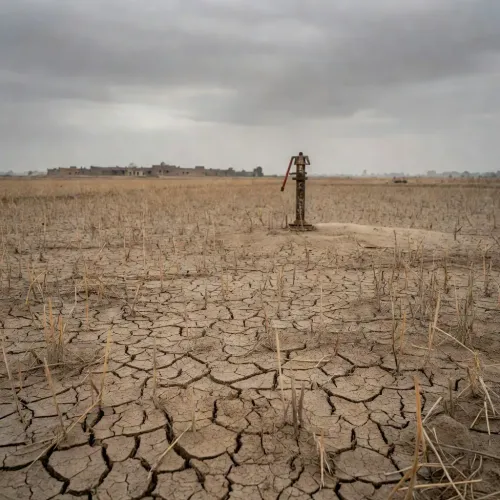
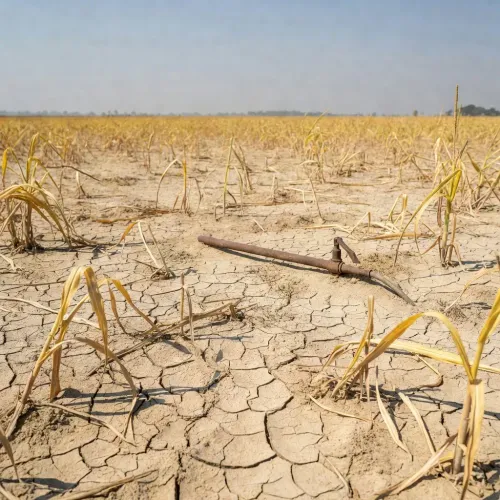
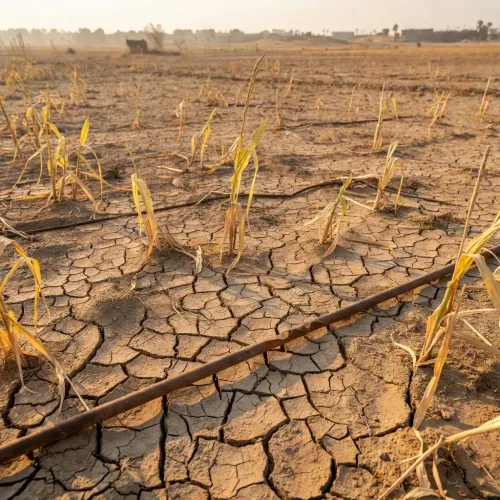
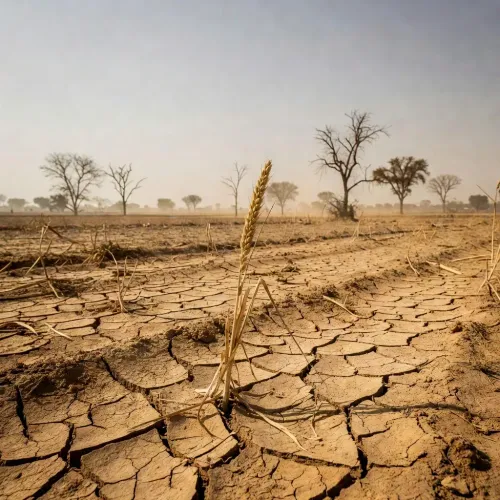
The state has formally declared drought conditions in 265 talukas across Maharashtra, citing inadequate rainfall and its compounding effects on agriculture and water supply. Twelve relief measures and concessions are now active in these talukas, covering crop-loss compensation for farmers through prescribed procedures.
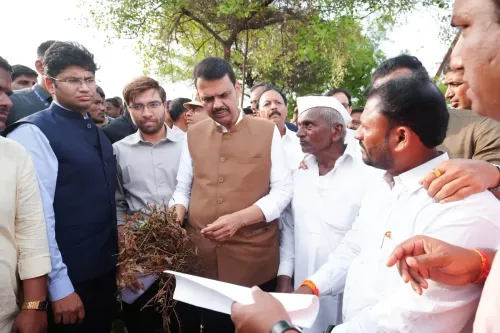
But the government is not stopping there. CM Fadnavis stated that all talukas not included in the initial declaration will undergo a fresh survey, with eligible ones to be brought under relief via the Trigger 3 mechanism — a structured escalation clause in Maharashtra's drought response framework designed to extend coverage beyond the first tier of affected areas. The assurance, in his words: 'दुष्काळी परिस्थितीत कोणीही मदतीपासून वंचित राहणार नाही' ('No one will be deprived of help during the drought situation').
Drinking Water Gets Priority, Rabi Season in the Calculation
With reservoirs under pressure, the CM outlined a district-by-district water management plan. Drinking water has been placed at the top of the priority stack, with allocations at most projects reported as currently adequate. The government is actively evaluating whether surplus water — above what is reserved for drinking through July–August — can be released for the rabi (winter crop) season. Every district has a prepared action plan, Fadnavis noted, and decisions are being taken proactively rather than reactively.
El Niño in the Frame, February Peak on the Radar
The CM flagged the El Niño climate phenomenon as a key variable driving the deficit rainfall pattern and said a detailed study of its impact on Maharashtra is underway. A peak in El Niño conditions is possible by the end of February, officials believe, which means the state's preparedness window is tight. Fadnavis indicated that all necessary countermeasures will be completed on priority before that threshold.
The CM also issued a direct appeal to citizens: avoid unnecessary expenditure and contribute, wherever possible, to supporting drought-hit communities. The framing was deliberate — the government signalling that this is a shared burden, not solely a state-managed operation.
Bhamragad Floods: A Simultaneous Crisis in Gadchiroli
While the drought dominates most of the state, Gadchiroli district is facing the opposite emergency. Heavy rainfall in neighbouring Chhattisgarh has triggered flooding in the Bhamragad area. Fadnavis confirmed that full government support is being channelled to the affected zone and that he is in continuous contact with local administration. The flood situation is easing, he said, and normal life is gradually being restored.
Maharashtra's challenge this season is strikingly dual — drought in the bulk of the state's talukas, floods at one of its remotest eastern edges. The government's test now is whether its relief machinery can operate at both ends of the weather spectrum simultaneously, without gaps in the middle.
Point of View
List-bound relief system. The explicit mention of El Niño and a February peak horizon is significant: it shifts the drought response narrative from a seasonal welfare measure to a medium-term climate adaptation exercise, raising questions about whether current infrastructure and budget allocations are scaled for the new normal. The public appeal for citizen solidarity alongside government relief also reflects an awareness that state capacity alone may be stretched thin when two weather extremes hit simultaneously.
NationPress
27 Sept 2026
Frequently Asked Questions
How many talukas have been declared drought-hit in Maharashtra in 2026?
265 talukas in Maharashtra have been officially declared drought-affected due to insufficient rainfall and related factors, with 12 relief measures and concessions now in force across these areas.
What is Trigger 3 in Maharashtra's drought relief system?
Trigger 3 is an escalation mechanism in Maharashtra's drought response framework that allows the state to extend relief coverage to additional talukas beyond those included in the initial drought declaration, based on further surveys and assessment.
What has CM Devendra Fadnavis said about farmers' crop-loss compensation?
CM Fadnavis assured that drought-affected farmers will receive crop-loss compensation after completing the prescribed procedural requirements, and that no one in drought-affected areas will be left without aid.
How is the Maharashtra government managing drinking water during the drought?
The government has prepared a district-level plan prioritising drinking water, with most reservoirs currently adequate. Water will be reserved for drinking through July–August , and only surplus quantities will be considered for rabi crop irrigation.
Why is there flooding in Gadchiroli if Maharashtra is facing drought?
The flooding in Bhamragad, Gadchiroli district was caused by heavy rainfall in neighbouring Chhattisgarh , which swelled rivers crossing into Maharashtra's eastern Gadchiroli region — a separate and localised event from the broader state-wide rainfall deficit.