CM Fadnavis: Not Updating Voter Lists Is the Biggest Vote Theft
Synopsis
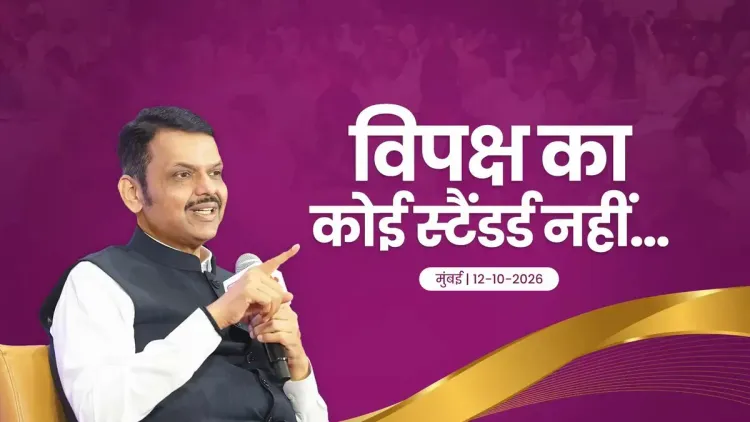
At the We Women Want Conclave in Mumbai on 12 October 2026, Maharashtra CM Devendra Fadnavis declared that failing to update voter lists is the country's biggest act of vote theft — a sharp reframe of administrative inaction as deliberate disenfranchisement, especially of women.
Key Takeaways
CM Devendra Fadnavis spoke at the We Women Want Conclave and Shakti Puraskar Samaroh 2026 in Mumbai on 12 October 2026 .
He declared in Marathi and Hindi that 'not updating the voter list is the biggest vote theft.' The statement reframes voter-roll negligence from a bureaucratic lapse into an act of active disenfranchisement.
Women are among the most affected by outdated rolls due to name and address changes after marriage or relocation.
The conclave platform — focused on women's empowerment — gave the electoral message direct resonance with a women's-rights framing.
The implicit call is for citizens, civil society, and election officials to treat missing voter entries as an urgent correctable injustice.
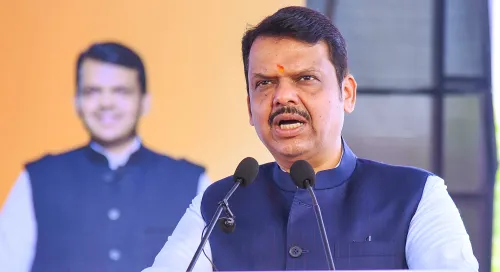
Failing to keep voter rolls current is not a clerical lapse — it is, Maharashtra Chief Minister Devendra Fadnavis argued on Monday, 12 October 2026, the single largest act of electoral fraud in the country. Speaking at the We Women Want Conclave and Shakti Puraskar Samaroh 2026 in Mumbai, Fadnavis framed voter-list negligence as a systemic injustice that silently strips citizens — and disproportionately women — of their democratic voice before a single ballot is cast.
The charge Fadnavis levelled at the conclave
Addressing the gathering hosted by @WeWomenWantOffc, the Chief Minister stated in Marathi and Hindi: 'मतदार यादी अद्ययावत न करणे हीच सर्वात मोठी मतचोरी आहे' — 'Not updating the voter list is the biggest vote theft.' The formulation was deliberate. By labelling administrative inaction 'vote theft,' Fadnavis elevated what is often dismissed as bureaucratic routine into a moral and political accountability issue.
Why women bear the sharpest edge of outdated rolls
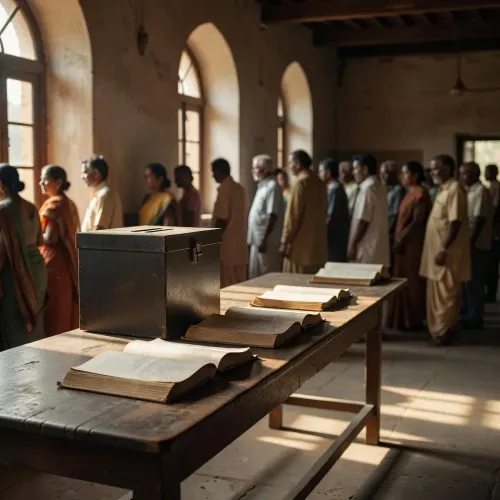
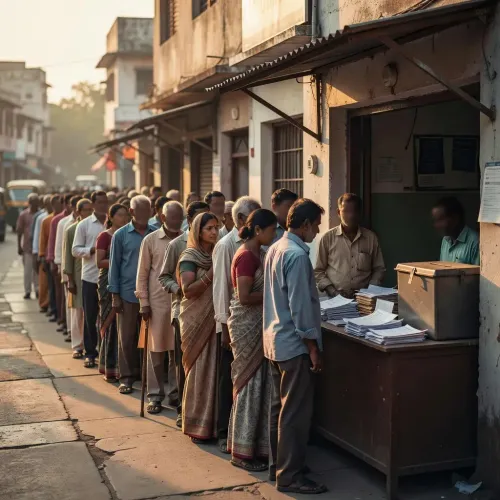
The conclave's theme — empowerment of women — gives the remark its sharpest edge. Women are statistically more likely to face voter-roll exclusions: name changes after marriage, address changes after relocation, and delayed enrolment of first-time young female voters are well-documented gaps in India's electoral machinery. When a name is missing from the list on polling day, no amount of political will or last-minute effort can restore that vote. The damage is done in silence, weeks or months before election day.
From a women's platform to a statewide call to action
By choosing a women-focused public forum to deliver this message, Fadnavis signalled that voter-list updation is not a technocratic demand but a women's rights demand. The Shakti Puraskar ceremony — honouring women achievers — provided a high-visibility backdrop that amplifies the call beyond party lines. The implicit ask: that citizens, civil-society groups, and electoral officials treat every missing or outdated entry on the rolls as an act of disenfranchisement that must be corrected now, not at the eve of the next election.
Voter rolls that lag behind ground reality do not just inconvenience individuals — they quietly redraw the electorate. Fadnavis's framing puts that quiet redrawing on trial.
Point of View
It doubles as outreach to a demographic the BJP has been cultivating in Maharashtra. The broader arc here is a ruling dispensation attempting to own the 'clean rolls' issue before the next assembly cycle, making voter-list updation a grassroots mobilisation cause rather than a dry Election Commission directive.
NationPress
12 Oct 2026
Frequently Asked Questions
What did CM Fadnavis say about voter lists at the Mumbai conclave?
CM Devendra Fadnavis said that not updating voter lists is the single biggest act of vote theft, delivering the message in both Marathi and Hindi at the We Women Want Conclave in Mumbai on 12 October 2026.
What is the We Women Want Conclave 2026?
The We Women Want Conclave and Shakti Puraskar Samaroh 2026 is a women's empowerment event held in Mumbai, organised by @WeWomenWantOffc, which also felicitates women achievers through the Shakti Puraskar awards.
Why does an outdated voter list amount to vote theft?
An outdated voter list means eligible citizens — whose names are missing or incorrect — cannot vote on election day regardless of their intent, effectively nullifying their franchise without any official act of suppression.
How does voter-list inaccuracy particularly affect women in India?
Women are more likely to face roll exclusions due to name changes after marriage and address changes after relocation, making them disproportionately vulnerable to being left off electoral rolls.
How can Maharashtra voters check or update their voter list entry?
Voters can check and update their entries through the Election Commission of India's Voter Helpline portal (voters.eci.gov.in) or the Voter Helpline number 1950, and can apply for corrections through Form 8 at their local electoral registration officer.