CM Fadnavis Pledges to End Fodder and Water Shortage in Maharashtra
Synopsis
Chief Minister Devendra Fadnavis pledged on 25 September 2026 to eliminate fodder and water shortages in Maharashtra, targeting drought-hit farming communities in Marathwada and Vidarbha. The assurance echoes a long pattern of state-level interventions in Maharashtra's chronically water-stressed agrarian belt.
Key Takeaways
CM Devendra Fadnavis pledged on 25 September 2026 to resolve fodder and water shortages for Maharashtra's farmers.
The commitment specifically targets drought-prone regions including Marathwada and Vidarbha , where agrarian distress recurs seasonally.
Fadnavis had earlier launched the Jalyukt Shivar Abhiyan in 2015 to make thousands of villages water-secure, making water security a signature policy plank.
Maharashtra governments have historically deployed fodder camps and water tankers during drought years as emergency relief for livestock farmers.
The key watch-point is district-level rollout of fodder camps and water supply schemes before rural distress deepens into the post-kharif season.
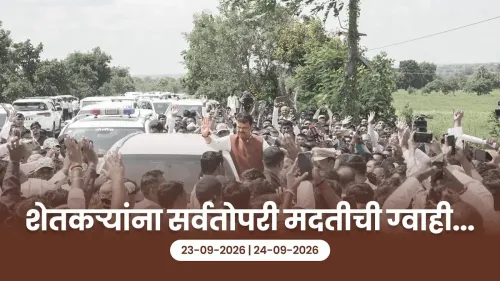
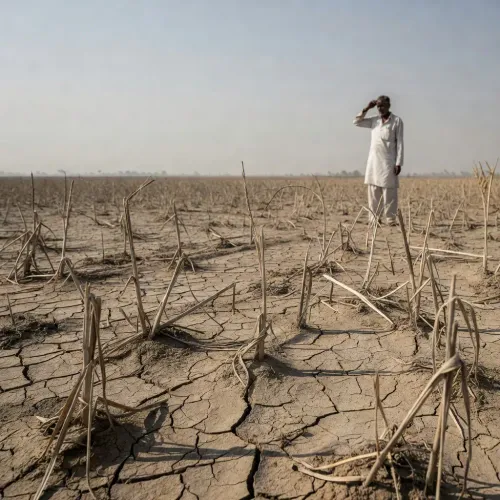
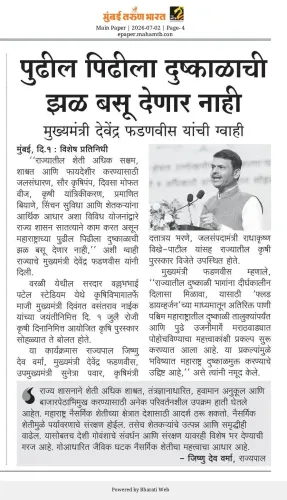
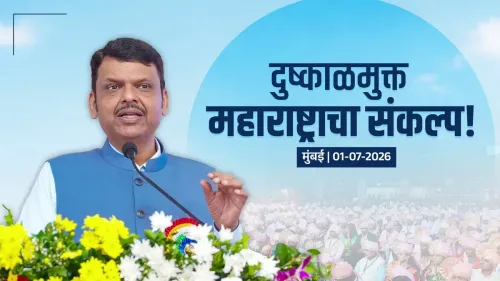
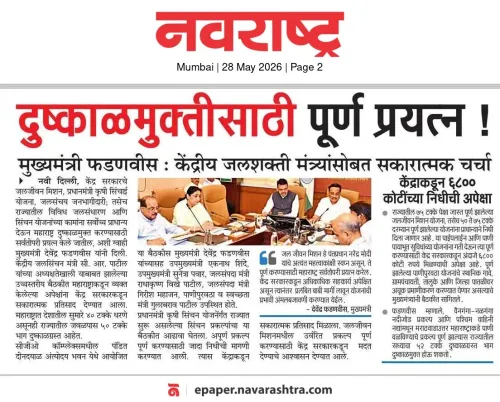
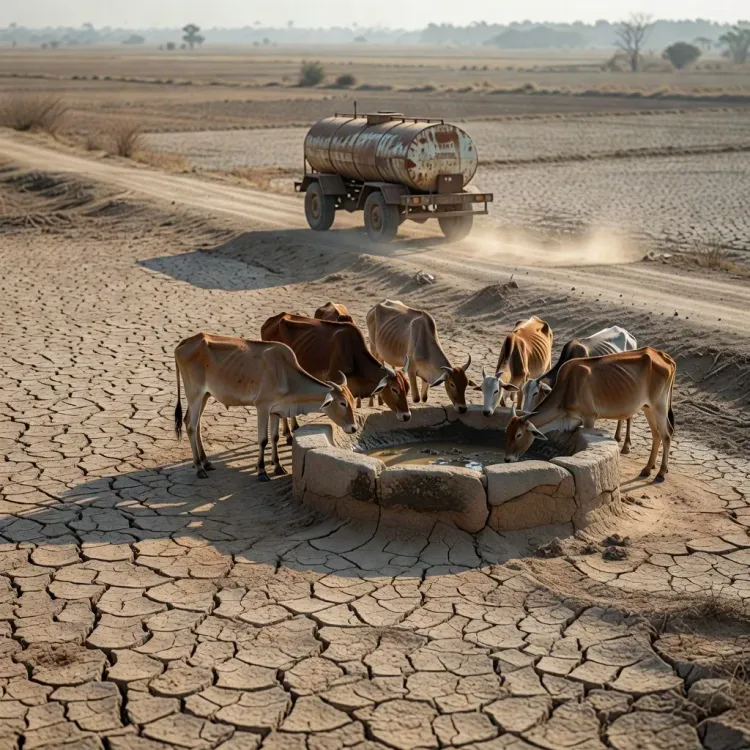
Farmers battling parched fields and hungry livestock across Maharashtra got a direct assurance from the top on Friday, 25 September 2026 — Chief Minister Devendra Fadnavis has pledged that the state will resolve the shortage of fodder and water that has been grinding down rural communities, particularly in the drought-prone belts of Marathwada and Vidarbha.
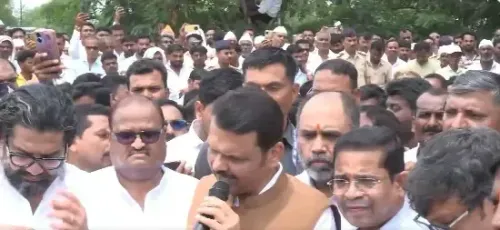
The Chief Minister's Office of Maharashtra posted the commitment on X, quoting Fadnavis directly: 'चारा, पानी की कमी दूर की जाएगी' — 'The shortage of fodder and water will be resolved.' Short, unambiguous, and aimed squarely at the farming communities that form the backbone of Maharashtra's rural economy.
Why Fodder and Water Shortages Keep Returning to Maharashtra
This is not the first time the state has had to confront this crisis. Maharashtra sits in one of India's most climatically vulnerable agricultural zones — semi-arid districts in Marathwada and Vidarbha routinely face erratic monsoons, depleted groundwater, and cattle distress during lean seasons. When the rains underperform, it triggers a cascade: crops fail, reservoirs dry up, and livestock farmers scramble for fodder.
The pattern has repeated across governments and decades. Maharashtra administrations have historically responded with fodder camps (chara chawanis), emergency water tanker deployments, and district-level relief packages. The scale of response has varied, but the structural vulnerability of these regions has remained a persistent policy challenge.
Fadnavis's Track Record on Water: The Jalyukt Shivar Blueprint
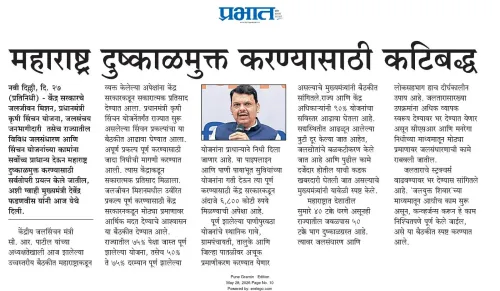
Devendra Fadnavis, a BJP leader who has served as Maharashtra's Chief Minister across multiple terms, made water conservation a signature issue. His administration launched Jalyukt Shivar Abhiyan in 2015 — an ambitious village-level water harvesting programme designed to make 5,000 villages water-secure. The scheme drew both praise for its grassroots reach and scrutiny over implementation and impact assessments in subsequent years.
His latest pledge arrives against that backdrop, signalling that water and fodder security remain at the centre of the government's rural welfare agenda as the kharif season closes and farmers assess their losses.
What Drought-Hit Farmers Are Waiting to See
A statement is a starting gun, not a finish line. The real test for drought-affected farming households across Maharashtra will be whether district-level fodder camps are activated, whether water supply schemes reach the most vulnerable villages, and whether relief packages for livestock owners are disbursed before the agricultural distress deepens into the winter months.
The commitment from CM Fadnavis sets an expectation — and in Maharashtra's politically charged agrarian landscape, that expectation will be watched closely by farmer organisations, opposition benches, and the millions of rural households waiting for the government's next move.
A promise has been made from the highest office in Mantralaya — the clock is now ticking on delivery.
Point of View
Particularly ahead of any election cycle in a state where agrarian distress can swing significant vote blocs. The invocation of water security also keeps Jalyukt Shivar Abhiyan — his most iconic governance legacy — alive in public memory. However, the announcement-to-delivery gap is the perennial vulnerability: without rapid district-level activation of relief infrastructure, such statements risk reinforcing farmer cynicism rather than building confidence. The real political dividend, if any, will be earned on the ground in Marathwada and Vidarbha — not on X.
NationPress
25 Sept 2026
Frequently Asked Questions
What did CM Devendra Fadnavis say about fodder and water shortage in Maharashtra?
CM Devendra Fadnavis pledged that the shortage of fodder and water will be resolved, making the assurance directly to drought-affected farming communities across Maharashtra on 25 September 2026.
Which regions of Maharashtra face the worst fodder and water shortages?
Marathwada and Vidarbha are Maharashtra's most drought-prone agricultural regions, regularly experiencing acute water scarcity and fodder shortages during lean and deficient-monsoon years.
What is Jalyukt Shivar Abhiyan and how does it relate to Maharashtra's water crisis?
Jalyukt Shivar Abhiyan is a village-level water harvesting scheme launched by the Fadnavis government in 2015, aimed at making 5,000 villages water-secure by improving local water retention and conservation infrastructure.
What relief measures does Maharashtra typically provide during drought and fodder shortage?
Maharashtra governments typically deploy fodder camps known as chara chawanis, emergency water tanker services, and district-level financial relief packages for livestock owners and crop farmers during drought periods.
What should farmers in Maharashtra watch for after CM Fadnavis's fodder and water pledge?
Farmers should watch for district-level activation of fodder camps, deployment of water supply schemes in affected villages, and formal relief package disbursements — the practical measures that will determine whether the pledge translates into ground-level relief.