Mandaviya: Today's Youth Are Builders of Viksit Bharat
Synopsis
Union Minister Mansukh Mandaviya posted on X calling today's youth the builders of Viksit Bharat, reinforcing the government's 2047 development vision and spotlighting his dual Labour and Youth Affairs portfolio as the policy engine behind India's demographic dividend.
Key Takeaways
Union Minister Mansukh Mandaviya posted on 25 September 2026 calling India's youth the builders of Viksit Bharat .
The Viksit Bharat mission targets India's transformation into a fully developed nation by 2047 , the centenary of independence.
Mandaviya holds the dual portfolio of Labour and Employment and Youth Affairs and Sports , giving him direct policy levers over both employment and youth engagement.
The National Youth Policy 2014 established the legislative foundation for treating Indian youth as active nation-builders rather than welfare recipients.
India's youth-heavy demographic — over half the population under 30 — is the structural basis for the Viksit Bharat growth thesis.
Coming parliamentary sessions are expected to carry Ministry announcements on youth employment, apprenticeship, and sports infrastructure programmes.
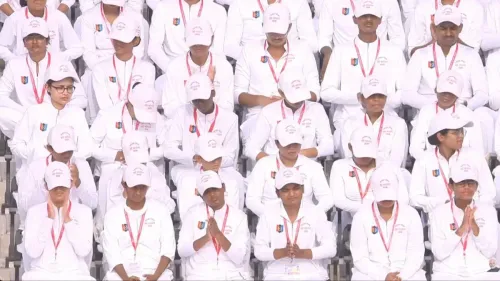
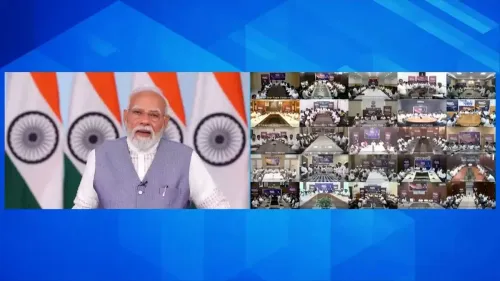
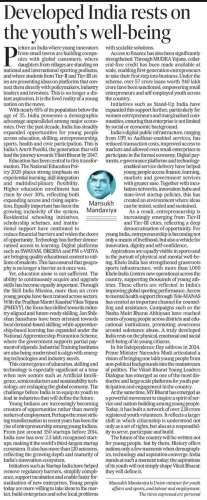
India's demographic dividend has a face — and Union Labour and Sports Minister Mansukh Mandaviya wants every young Indian to know it. On Friday, 25 September 2026, the senior BJP leader took to X to frame the country's youth not as beneficiaries of policy, but as the very architects of a transformed nation.
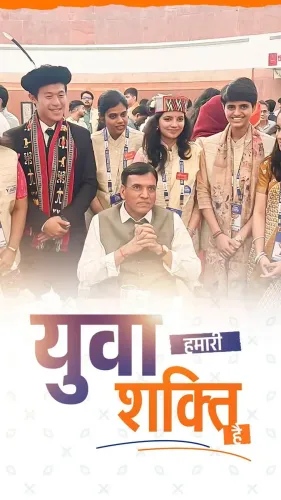
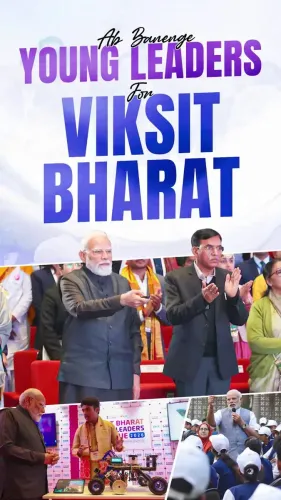
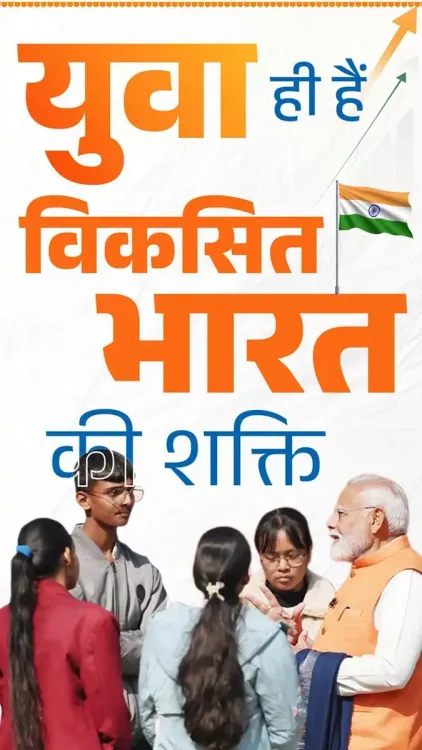
Posting in Hindi, Minister Mandaviya wrote: 'आज की युवा पीढ़ी है विकसित भारत की निर्माता' — 'Today's young generation are the builders of Viksit Bharat.' The line is short, but the policy weight behind it is considerable.What 'Viksit Bharat' asks of the young
The Viksit Bharat vision — the government's flagship ambition to transform India into a fully developed nation by 2047, the centenary of independence — rests on a single structural advantage: India's youth. With more than half the population under 30, the country holds one of the world's largest reserves of working-age talent. Whether that translates into economic horsepower depends almost entirely on how that generation is skilled, employed, and mobilised.
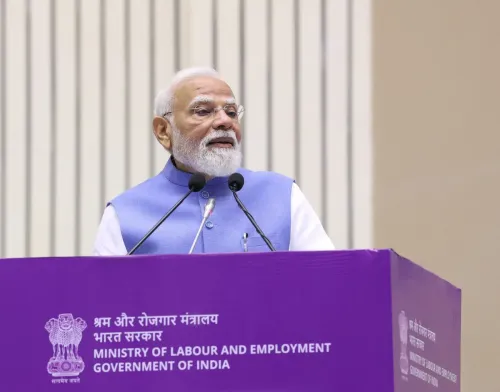
Mandaviya's dual portfolio — Labour and Employment alongside Youth Affairs and Sports — gives him direct levers over both sides of that equation. His ministry shapes job-market policy and apprenticeship frameworks on one hand, and youth engagement and sporting infrastructure on the other. The post, brief as it is, signals the ideological throughline connecting those two mandates.
A policy lineage rooted in the demographic dividend
The framing is not new, but its urgency is growing. The National Youth Policy 2014 formally repositioned India's young population as active nation-builders rather than passive recipients of welfare — emphasising skill development, entrepreneurship, and civic participation. That architecture has since been reinforced through successive schemes targeting employment, sports grassroots development, and startup incubation.
What has sharpened since is the deadline. 2047 is no longer a distant abstraction — it sits roughly one working generation away. A young Indian entering the workforce today will be in their prime productive years when that centenary arrives. The policy bet, expressed in posts like Mandaviya's, is that if the government gets the investment in youth right now, Viksit Bharat is not a slogan but a schedule.
What to watch from the Ministry next
Observers tracking the Labour and Youth Affairs portfolio will be watching the coming parliamentary sessions for concrete follow-through: announcements on youth employment schemes, expansions of apprenticeship pipelines, or new sports infrastructure projects that translate the minister's rhetoric into rupees and results. The statement sets the register; the budget lines will set the record.
India's youth are not waiting for 2047 to begin. The question for Mandaviya's ministry is whether the policy architecture is building fast enough to keep pace with them.
Point of View
The statement is a positioning move as much as a policy signal. The 2047 deadline is doing real work here: it converts long-horizon development targets into something a twenty-year-old can personally own. Watch whether the ministry backs the rhetoric with measurable scheme deliverables before the next election cycle, since the gap between the slogan and the scorecard will define how youth constituencies respond.
NationPress
25 Sept 2026
Frequently Asked Questions
What did Mansukh Mandaviya say about Indian youth on 25 September 2026?
Minister Mansukh Mandaviya posted on X in Hindi stating that 'today's young generation are the builders of Viksit Bharat,' framing youth as the central force behind India's 2047 development vision.
What is Viksit Bharat and when is it targeted?
Viksit Bharat is the Indian government's vision to transform the country into a fully developed nation by 2047, coinciding with the centenary of independence.
What ministry does Mansukh Mandaviya head?
Mansukh Mandaviya is the Union Minister of Labour and Employment and Youth Affairs and Sports, a dual portfolio that covers job-market policy as well as youth engagement and sporting infrastructure.
What is the National Youth Policy and how does it relate to Viksit Bharat?
The National Youth Policy 2014 formally emphasised youth participation in nation-building and skill development, laying the policy foundation that later programmes and visions like Viksit Bharat have built upon.
Why is India's youth population considered central to economic growth targets?
With over half of India's population under 30, the country holds one of the world's largest pools of working-age talent, and harnessing this demographic dividend through skills, employment, and entrepreneurship is seen as essential to achieving long-term growth goals like Viksit Bharat.