Kishan Reddy Flags India's Health Gains Under PM Modi
Synopsis
Union Minister G. Kishan Reddy credited PM Modi's vision for transformative health infrastructure gains in India on September 25, 2026, highlighting primary care expansion and progress on maternal and neonatal health as areas drawing global recognition.
Key Takeaways
Kishan Reddy , Union Coal and Mines Minister and BJP Telangana president, posted on September 25, 2026 highlighting India's health infrastructure progress under PM Modi.
The post references gains in primary care expansion and progress on maternal and neonatal health as key achievements.
India's National Health Policy (2017) and Ayushman Bharat scheme (2018) form the policy backbone of the claims made.
Maternal mortality ratio reductions and immunisation coverage are cited internationally as measurable SDG-aligned metrics for India.
The post is part of a broader BJP communication pattern of senior ministers amplifying central government social-sector governance records.
Specific statistics, scheme names, or international bodies offering 'global recognition' are not named in the post itself.
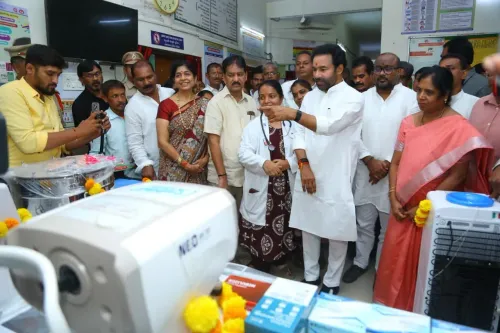
India's health infrastructure has come a long way — and Union Coal and Mines Minister G. Kishan Reddy wants that journey front and centre. On Friday, September 25, 2026, the senior BJP leader and Telangana state president took to X to credit Prime Minister Narendra Modi's vision for what he described as 'transformative gains' in the country's health system, from expanding primary care to tackling maternal and neonatal health challenges.
From Primary Care Expansion to Maternal Health Milestones
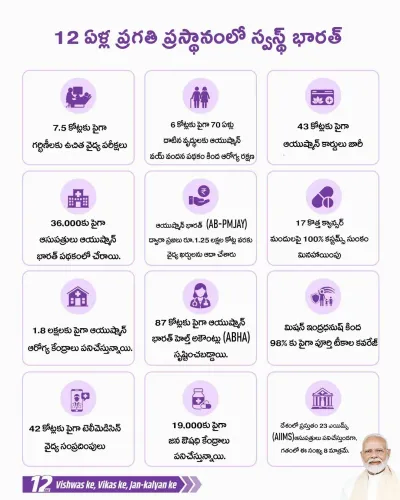
Kishan Reddy's post underscores a thread that has run through India's health policy for over a decade: the push to bring basic, affordable care within reach of every citizen. The National Health Policy of 2017 repositioned the government's focus toward preventive and primary care, while the landmark Ayushman Bharat scheme, launched in 2018, extended coverage for secondary and tertiary hospitalisation to tens of millions of households — one of the largest publicly funded health insurance programmes in the world.
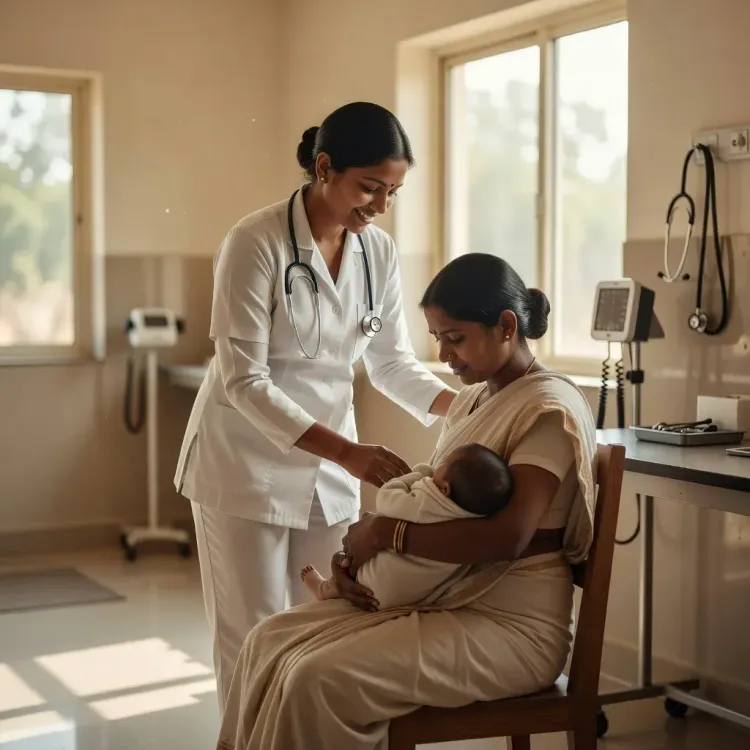
Maternal and neonatal health has been a particular yardstick. Successive governments have cited declining maternal mortality ratios and steady immunisation coverage as evidence of structural progress, metrics that also feed into India's Sustainable Development Goal tracking at the international level. Kishan Reddy's reference to 'global recognition' situates those domestic gains within that international scorecard, though no specific award or report is named in his post.
Why a Coal Minister Is Amplifying the Health Message
The post signals a coordinated communication effort within the ruling BJP: senior ministers across portfolios amplifying the party's governance record on social indicators. For Kishan Reddy — who doubles as the BJP's Telangana state president — health access resonates directly with voters in a state where the party has been working to expand its footprint beyond its traditional urban base. Pointing to central government health schemes is a way of connecting national policy to local electoral relevance.
The broader pattern is familiar: government ministers routinely highlight health and welfare metrics as part of ongoing outreach, particularly ahead of budget cycles and parliamentary sessions where health ministry allocations come under scrutiny.
What the Numbers Will Need to Say Next
Aspirational framing lands hardest when backed by specifics. With upcoming parliamentary sessions expected to bring fresh health ministry budget announcements and potentially new maternal health guidelines, the claims of 'transformative gains' will face their real test in the data — on maternal mortality ratios, infant survival rates, and the on-ground reach of primary health centres in underserved districts.
The vision is on the record. The verification is coming.
Point of View
Raising the stakes of any future fact-checking. For Telangana specifically, health access messaging allows the party to speak to a constituency where welfare optics matter enormously. The real test of these claims will arrive when the health ministry tables its next budget and the latest maternal mortality data enters the public domain.
NationPress
25 Sept 2026
Frequently Asked Questions
What did G. Kishan Reddy say about India's health infrastructure?
Kishan Reddy stated that under PM Modi's vision, India has witnessed transformative gains in health infrastructure, including primary care expansion and progress on maternal and neonatal health, earning global recognition.
What is the Ayushman Bharat scheme?
Ayushman Bharat, launched in 2018 , is one of the world's largest publicly funded health insurance programmes, designed to provide coverage for secondary and tertiary hospitalisation to low-income Indian households.
What is India's record on maternal health?
India has recorded a declining maternal mortality ratio over successive years, a metric tracked under the Sustainable Development Goals framework and frequently cited in international health comparisons.
Why is a coal minister posting about health?
Senior BJP ministers across portfolios routinely amplify the party's governance record on social indicators as part of coordinated political communication, particularly relevant for state presidents like Kishan Reddy ahead of elections.
What was India's National Health Policy 2017 about?
The National Health Policy of 2017 shifted India's focus toward preventive care, primary healthcare expansion, and universal health coverage goals, laying the framework for subsequent schemes like Ayushman Bharat.