Kishan Reddy Marks 12 Years of Modi Govt Health Reforms
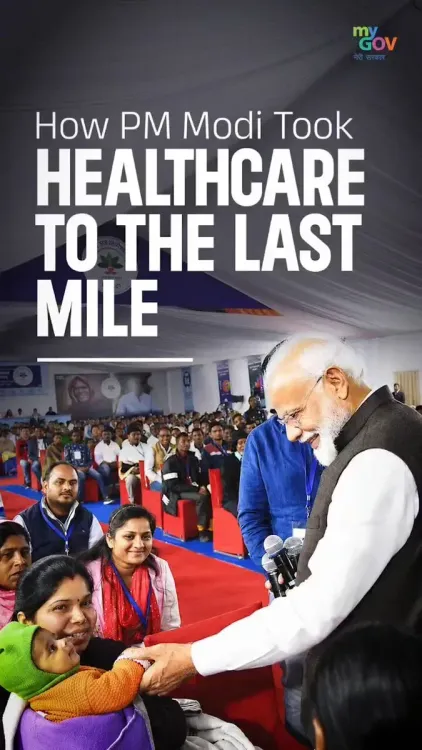
Synopsis
Union Minister G. Kishan Reddy on June 14, 2026, marked twelve years of central government health reforms under PM Modi, highlighting Ayushman Bharat, Jan Aushadhi Kendras, digital healthcare, and universal immunisation as milestones in building an affordable and inclusive health system for India.
Key Takeaways
Kishan Reddy , Union Coal and Mines Minister and BJP Telangana president, posted on June 14, 2026 under #12YearsOfSwasthBharat to mark a decade-plus of central government health initiatives.
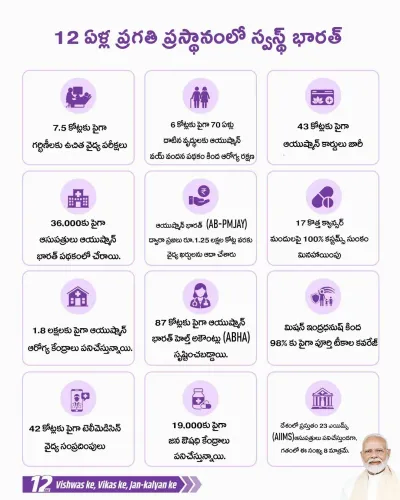
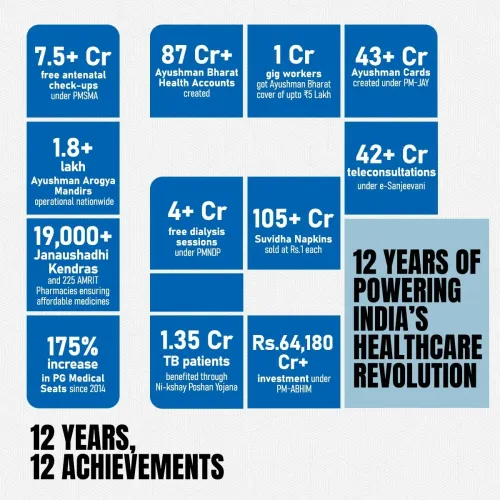
Ayushman Bharat PMJAY , launched in September 2018 , offers cashless hospitalisation cover of up to Rs 5 lakh per family per year for economically weaker sections.
Jan Aushadhi Kendras under the Pradhan Mantri Bharatiya Janaushadhi Pariyojana provide quality generic medicines at reduced prices, directly cutting household health expenditure.
Mission Indradhanush , launched in December 2014 , targeted low-vaccination districts to expand immunisation coverage for children and pregnant women.
The post also references digital healthcare infrastructure, pointing to the Ayushman Bharat Digital Mission as part of the government's broader health convergence strategy.
Primary beneficiaries are low-income and rural families who previously faced financial or geographic barriers to secondary and tertiary care.
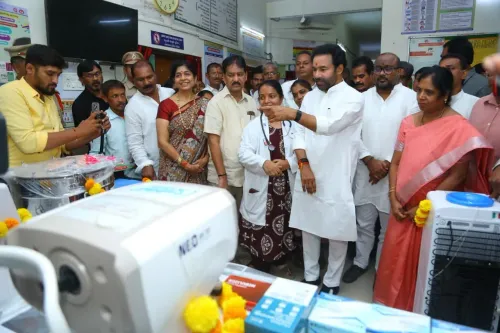
Union Coal and Mines Minister and BJP Telangana president G. Kishan Reddy on Sunday, June 14, 2026, credited twelve years of central government health initiatives with expanding affordable care to millions of Indian families, citing flagship schemes including Ayushman Bharat and the Jan Aushadhi Kendra network as cornerstones of a transformed healthcare landscape.
Context
Reddy's post, tagged #12YearsOfSwasthBharat, frames the period since 2014 as a decisive shift in India's public health architecture. 'The journey of the last 12 years is not just about building hospitals; it is about ensuring that no family is denied healthcare because of distance or financial hardship,' he wrote, anchoring the message in access and affordability rather than infrastructure alone.
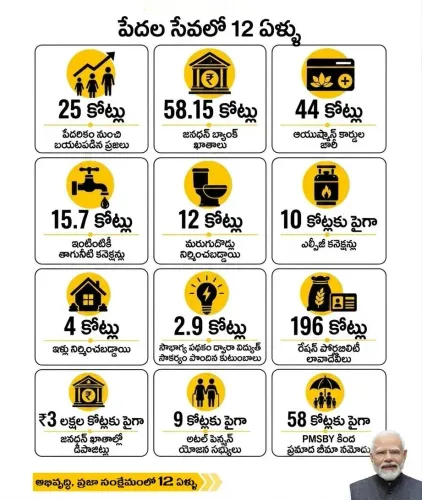
The post comes as ruling-party leaders across ministries have been marking the BJP-led NDA government's twelve-year record in office, with health emerging as a central theme in that political narrative.
Policy Backdrop
Ayushman Bharat Pradhan Mantri Jan Arogya Yojana, launched in September 2018, provides cashless hospitalisation coverage of up to Rs 5 lakh per family per year for secondary and tertiary care, targeting economically weaker sections. It is among the world's largest publicly funded health assurance programmes by intended beneficiary count.
The Pradhan Mantri Bharatiya Janaushadhi Pariyojana — the scheme governing Jan Aushadhi Kendras — was scaled up significantly after 2014, establishing a network of outlets that dispense quality generic medicines at substantially reduced prices to cut out-of-pocket expenditure for low-income households.
On the preventive side, Mission Indradhanush, launched in December 2014, drove intensified immunisation campaigns in districts with historically low vaccination coverage, targeting children and pregnant women in underserved areas. Reddy's post references 'universal immunisation' as one of the pillars of this twelve-year health push.
Stakeholders and Impact
The primary beneficiaries of these converging schemes are low-income families and rural residents who previously faced catastrophic health expenditure or had to travel long distances for secondary care. Reddy's framing — 'no family is denied healthcare because of distance or financial hardship' — directly addresses both barriers.
Digital health infrastructure, referenced in the post, encompasses the Ayushman Bharat Digital Mission, which aims to create a unified health identity for every Indian citizen and link health records across providers. Its full rollout and adoption metrics remain an active area of policy monitoring.
Scheme convergence — insurance coverage, generic-medicine access, immunisation, and digital tools operating under a single policy umbrella — is the distinctive structural argument the government has made since the National Health Policy 2017 set a goal of increasing public health spending toward universal health coverage.
What's Next
Observers tracking India's health sector will watch for fresh beneficiary data and any new health outlays or scheme revisions in the next Union Budget, which would either validate or complicate the scale-of-impact claims embedded in the government's twelve-year messaging. The Ayushman Bharat Digital Mission's adoption curve, in particular, is seen as a key indicator of whether digital integration has translated into measurable improvements in care delivery at the last mile.
Point of View
With health chosen as a politically resonant anchor because it combines tangible scheme names — Ayushman Bharat, Jan Aushadhi — with a broadly relatable equity argument about distance and cost. The framing deliberately shifts the conversation from infrastructure counts to human outcomes, a rhetorical evolution that signals the party believes welfare delivery is now its strongest electoral asset. By invoking digital health alongside insurance and medicine access, the message also positions the government at the intersection of welfare and technology modernisation — a dual claim aimed at both rural beneficiaries and urban aspirational voters. Whether the claims hold up will depend on fresh official data that independent analysts and opposition parties are likely to scrutinise closely.
NationPress
24 Sept 2026
Frequently Asked Questions
What is the #12YearsOfSwasthBharat hashtag about?
The hashtag marks twelve years of the BJP-led NDA government's health initiatives since 2014, covering schemes like Ayushman Bharat, Jan Aushadhi Kendras, and Mission Indradhanush, as highlighted by ministers including G. Kishan Reddy.
What is Ayushman Bharat and who does it cover?
Ayushman Bharat Pradhan Mantri Jan Arogya Yojana, launched in September 2018, provides cashless hospitalisation coverage of up to Rs 5 lakh per family per year for economically weaker sections seeking secondary and tertiary care.
What are Jan Aushadhi Kendras?
Jan Aushadhi Kendras are government-backed outlets under the Pradhan Mantri Bharatiya Janaushadhi Pariyojana that sell quality generic medicines at significantly reduced prices to lower out-of-pocket health expenditure for low-income families.
What is Mission Indradhanush?
Mission Indradhanush is an intensified immunisation programme launched in December 2014 to improve vaccination coverage for children and pregnant women in districts that had historically low immunisation rates.
What is the Ayushman Bharat Digital Mission?
The Ayushman Bharat Digital Mission aims to create a unified digital health identity for every Indian citizen and link health records across providers, forming the technological backbone of the government's universal health coverage strategy.