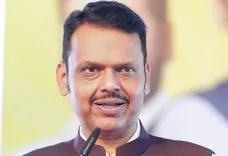
CM Fadnavis Pushes Maharashtra Drought-Free via Water Plan
Synopsis
At the MWRRA anniversary in Mumbai, CM Devendra Fadnavis declared Maharashtra is accelerating its mission to make drought-prone regions water-secure through integrated basin planning, Ulhas-to-Godavari inter-basin transfers, and a proposal to supply data centres with reclaimed municipal wastewater instead of clean drinking water.
Key Takeaways
Maharashtra established the MWRRA in 2005 as India's first state-level water regulatory authority .
The state prepared integrated water plans for the Godavari, Krishna, Tapi, Narmada and Konkan basins — a national first.
Approximately 50 to 52 per cent of Maharashtra's territory is drought-prone; CM Fadnavis says the mission to make it drought-free is accelerating.
Water from the Ulhas basin currently lost to the sea could be redirected into the Godavari basin to relieve North Maharashtra and Marathwada .
Data centres in the Mumbai region may require 800–1,000 MLD of water; Fadnavis proposed supplying them with treated municipal wastewater rather than clean water.
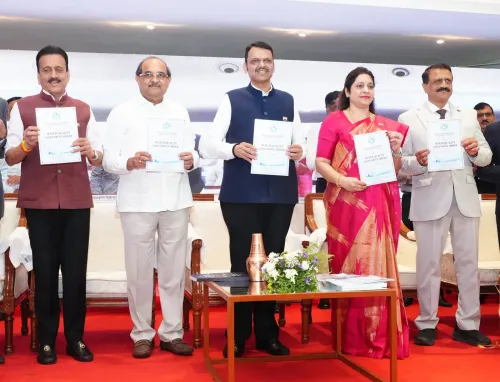
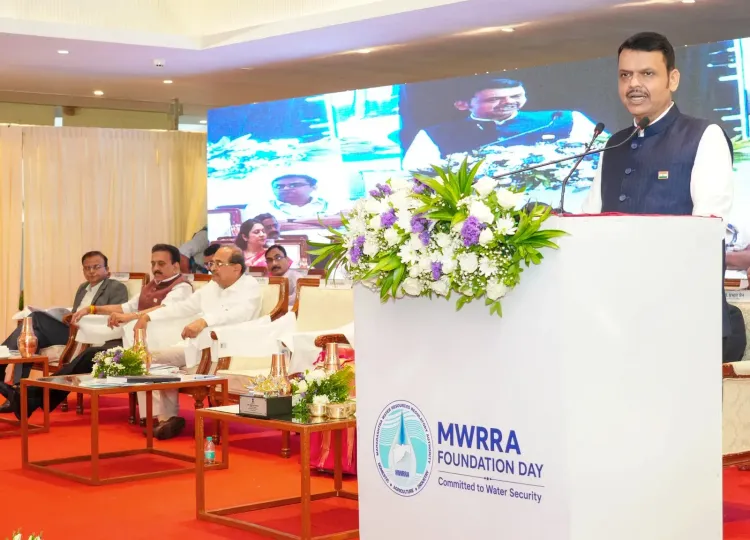
Ministers Radhakrishna Vikhe Patil and Girish Mahajan were present at the MWRRA anniversary event in Worli, Mumbai .
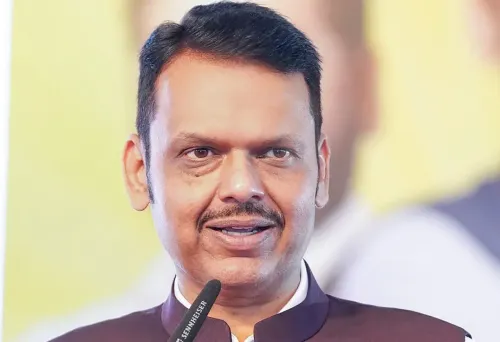
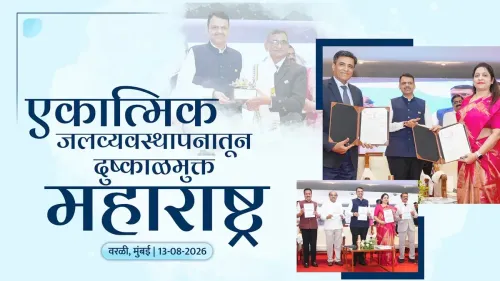
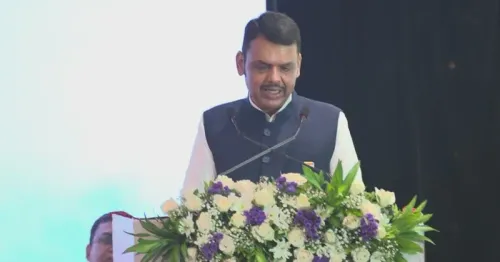
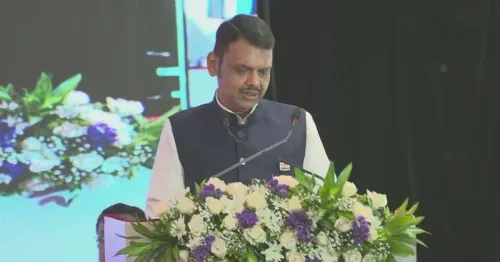
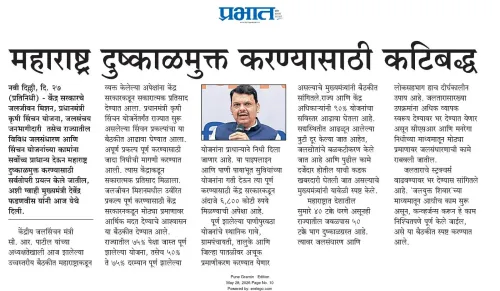
Half of Maharashtra sits on drought-prone land — and Chief Minister Devendra Fadnavis says the state is now moving decisively to change that. At a seminar and workshop marking the anniversary of the Maharashtra Water Resources Regulatory Authority (MWRRA) held at Worli, Mumbai on Thursday, 13 August 2026, Fadnavis laid out the arc of an integrated water management mission that he says is finally nearing fruition.
India's first water regulator — and what it built
Fadnavis reminded the gathering that Maharashtra holds a singular distinction: it established the MWRRA in 2005, making it India's first state-level water regulatory authority. The institution was designed not just to allocate water but to bring systemic regulation to a sector long governed by ad hoc decisions. What followed was a decade-long exercise in basin-by-basin planning — beginning with the Godavari river basin, the first integrated water resources plan of its kind in the country, and expanding to cover the Krishna, Tapi, Narmada and the westward-flowing rivers of Konkan. Together, these plans formed Maharashtra's unified integrated water blueprint — again, a national first.
Turning the Ulhas westward flow into eastern relief
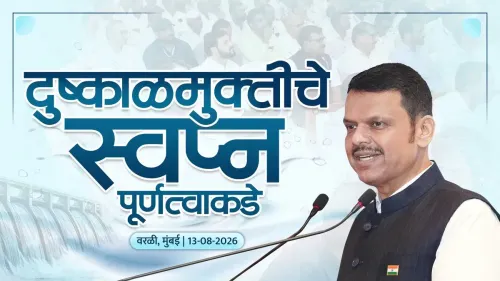
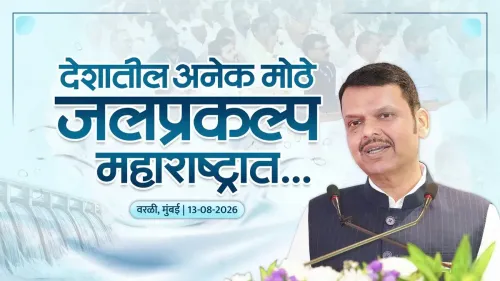
The centrepiece of Fadnavis's remarks was a specific and long-discussed engineering ambition: water from the Ulhas basin currently drains westward into the sea through Konkan rivers — water that could instead be redirected eastward into the Godavari basin. If achieved through a series of inter-basin transfer projects, Fadnavis argued, it would restore hydrological balance to a basin that feeds North Maharashtra and Marathwada — two of the state's most chronically drought-struck regions. 'ते स्वप्न पूर्णत्वाकडे चालले आहे' — 'that dream is now moving towards completion,' he said, signalling that planning has given way to active execution.
Data centres, treated wastewater, and a new industrial demand
Fadnavis added a forward-looking dimension that underscored how water stress is evolving in the digital age. As the world pivots to new industries and deep tech, data centres are multiplying — and they are thirsty. The Chief Minister noted that data centres in Mumbai and its surrounding region alone could require between 800 and 1,000 MLD (million litres per day) of water. His answer was pointed: the state should not supply clean drinking water for this purpose. Instead, municipal bodies could treat sewage water and sell reclaimed wastewater to data centres — a circular-economy solution that protects potable supply while meeting industrial demand. He called on planners to formally explore this model.
Ministers Vikhe Patil and Mahajan at the table
The event was also attended by Minister Radhakrishna Vikhe Patil and Minister Girish Mahajan, alongside other senior officials, signalling that water policy remains a cross-departmental priority for the Mahayuti government. The MWRRA anniversary served as both a stock-taking exercise and a statement of direction — integrated management, not crisis response, is the governing philosophy.
Maharashtra's water challenge is structural, spanning roughly 50 to 52 per cent of its territory classified as drought-prone. The integrated planning framework built over two decades is now being tested against the hardest part: delivery. The inter-basin transfer projects and the treated-water policy for data centres are the two threads to watch — and on both, the clock is running.
Point of View
Integrated basin plans) and pointing to near-term deliverables (Ulhas-Godavari transfer, wastewater reuse), he is building a governance record ahead of what remains a politically sensitive issue in Marathwada and North Maharashtra. The data-centre wastewater proposal is particularly sharp: it pre-empts the inevitable conflict between industrial water demand and agricultural or civic supply, while positioning Maharashtra as a progressive digital-infrastructure state. The real test will be whether inter-basin transfer projects move from blueprint to ground-breaking — a gap that has tripped up Maharashtra water policy for decades.
NationPress
13 Aug 2026
Frequently Asked Questions
What is the Maharashtra Water Resources Regulatory Authority (MWRRA)?
The MWRRA, established in 2005 , is India's first state-level water regulatory authority . It oversees the allocation, pricing and integrated planning of Maharashtra's water resources across river basins.
What is the Ulhas to Godavari inter-basin water transfer?
Water from the Ulhas basin in western Maharashtra currently flows westward into the sea. CM Fadnavis has proposed redirecting this water eastward into the Godavari basin through infrastructure projects to relieve drought in North Maharashtra and Marathwada .
Why does CM Fadnavis want to give data centres treated wastewater?
Data centres in the Mumbai region could demand 800 to 1,000 MLD of water. Fadnavis argued that supplying clean drinking water for this purpose would be wasteful; instead, municipal bodies could treat sewage water and supply it to data centres, protecting potable water supply for residents.
How much of Maharashtra is drought-prone?
Approximately 50 to 52 per cent of Maharashtra's total land area is classified as drought-prone or rainfall-deficient ( अवर्षणप्रवण ), making integrated water management a critical state priority.
Which ministers attended the MWRRA anniversary event in Mumbai?
Besides CM Devendra Fadnavis , ministers Radhakrishna Vikhe Patil and Girish Mahajan attended the seminar and workshop held at Worli, Mumbai on 13 August 2026 .