CM Fadnavis visits farms, vows blanket crop relief in 2 days
Synopsis
Chief Minister Devendra Fadnavis visited drought-affected farms in Solapur district on 23 September 2026, inspecting soybean crop damage and promising blanket relief for all affected farmers. A formal drought notification and government resolution are expected within two days, with drinking water supply named the top priority.
Key Takeaways
CM Devendra Fadnavis personally visited drought-hit fields in Barshi taluka (Dhanore) and North Solapur taluka (Karamba) on 23 September 2026 .
Fadnavis pledged blanket, uniform crop relief for all farmers who suffered losses — no selective assessments.
The state's first formal drought notification is expected 'soon,' with a government resolution to follow within two days .
Drinking water supply has been declared the government's single highest priority during the crisis.
Fadnavis committed that funds for drought relief will not fall short , echoing the state's 2015–16 drought-response template.
Citizens were urged to cooperate with each other to manage hardship while state machinery mobilises.
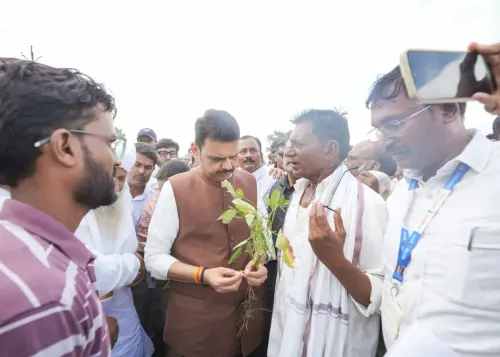
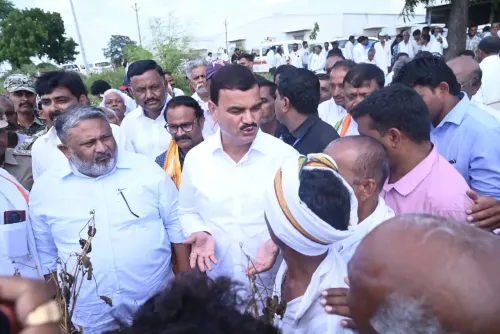
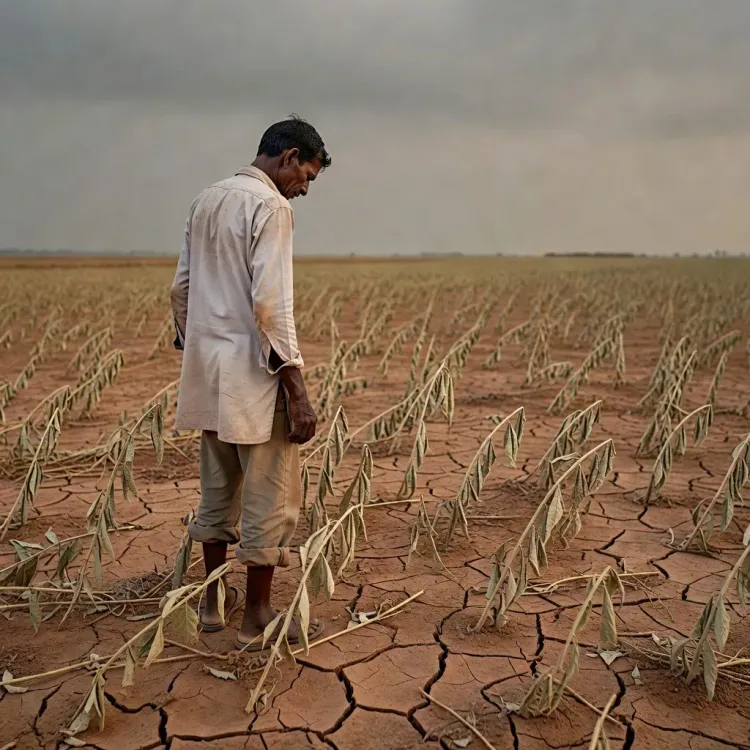
Boots on the ground, Chief Minister of Maharashtra Devendra Fadnavis walked the fields of drought-hit farmers on Wednesday, 23 September 2026 — inspecting damaged soybean crops at Dhanore in Barshi taluka and loss-hit plots at Karamba in North Solapur taluka, pledging that every farmer who lost a crop would get uniform relief without exception.
Fadnavis at the bund: what the field visit signalled
The Chief Minister's on-ground tour was a deliberate political signal — that the state was not waiting for paperwork to confirm what farmers already knew. 'पिकांचे सरसकट नुकसान; मदतही सरसकट देणार' ('Crops have suffered across the board; relief will also be given across the board'), Fadnavis declared, setting the tone for a blanket compensation approach rather than parcel-by-parcel assessment.
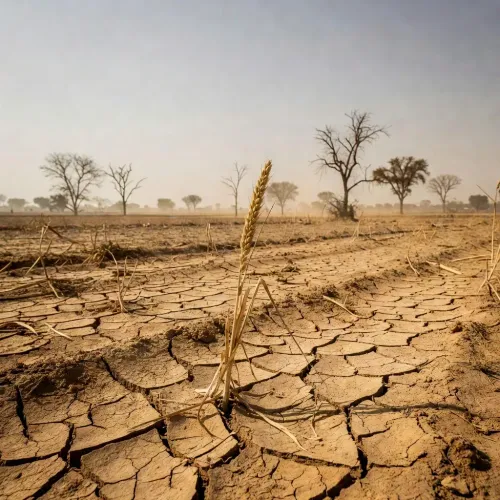
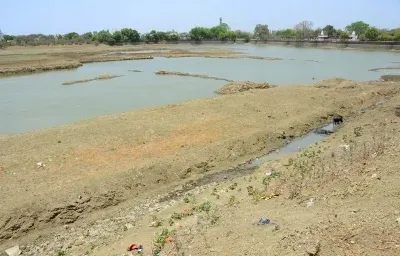
Solapur district, a rain-fed agriculture belt in western Maharashtra, has historically been among the first casualties when the monsoon falters. Soybean — the dominant kharif crop in this region — is especially vulnerable to moisture stress, and this season's damage appears widespread enough to trigger a formal state response.
Drought notification and a 48-hour deadline
Fadnavis announced that the state's first drought notification would be issued 'soon,' with a full government resolution on the drought to follow within two days. That timeline matters: the notification is the legal trigger that unlocks relief machinery — from crop compensation disbursals to fodder depot activation and, critically, prioritised supply of drinking water, which Fadnavis named the government's single highest priority in the crisis.
'दुष्काळाशी लढताना निधी कमी पडू देणार नाही' — 'While fighting drought, we will not let funds fall short' — was his direct commitment on the finances. The state has form here: during the 2015–16 drought under Fadnavis's first term, Maharashtra declared drought across multiple districts and rolled out crop-loss compensation, a template his administration appears to be reviving and potentially expanding now.
The call for community solidarity
Beyond the administrative commitments, the day's summary also carried a civic appeal — urging citizens to support one another through the crisis. 'Cooperate with each other to find a way through the hardship,' read one of the official dispatches from the Chief Minister's Office. It is a softer note in what is otherwise an urgent relief mobilisation, but it reflects the scale of the challenge when institutional machinery alone cannot reach every affected household in time.
Maharashtra's agrarian belt has cycled through this pattern repeatedly — a shortfall monsoon, field visits by the Chief Minister, a drought notification, and a scramble to get compensation to farmers before the next sowing window closes. Whether the 'blanket relief' promise this time translates faster than past cycles is the question every farmer in Solapur and beyond is now watching.
Point of View
Often disputed per-plot panchanama process that has historically delayed disbursals and bred farmer frustration. Maharashtra's drought management has long been a litmus test for any state government, and Fadnavis appears to be pre-empting criticism by making the promise personally and publicly before the notification is even issued — raising both the stakes and the scrutiny on actual execution.
NationPress
24 Sept 2026
Frequently Asked Questions
What did CM Fadnavis announce for Maharashtra drought-affected farmers?
CM Devendra Fadnavis announced blanket, uniform crop relief for all farmers who suffered losses, pledging that no farmer would be left out and that funds for drought relief would not fall short.
When will Maharashtra's drought notification be issued in 2026?
Fadnavis stated that the first drought notification would be issued 'soon,' with a full government resolution on drought expected within two days of his 23 September 2026 announcement.
Which areas did CM Fadnavis visit during his drought field tour?
Fadnavis visited Dhanore in Barshi taluka to inspect soybean crop damage, and Karamba in North Solapur taluka to review losses — both in Solapur district, western Maharashtra.
What is the government's top priority in Maharashtra's drought crisis?
CM Fadnavis named drinking water supply as the government's single highest priority during the drought situation, alongside crop compensation for affected farmers.
Has Maharashtra declared drought before under Fadnavis?
Yes — during his first term, Maharashtra declared drought across multiple districts in 2015–16 and rolled out crop-loss compensation, a template that appears to be the model for the current response.