Maharashtra drought: Govt pledges farmer aid, review meeting on Oct 5
Synopsis
Drought-like conditions in 19 Maharashtra districts have prompted the state government to activate a three-tier assessment framework and promise 100 per cent drought declaration — but the actual relief package won't be known until after the October 5 review meeting. With soybean, cotton, and sugarcane crops already damaged and the Kharif declaration deadline looming on October 30, the clock is ticking for lakhs of farmers.
Key Takeaways
Agriculture Minister Dattatray Bharne announced full government support for farmers in 19 drought-hit districts of Maharashtra on 21 September 2026 .
Cooperation Minister Babasaheb Patil confirmed 100 per cent drought conditions will be declared across the state.
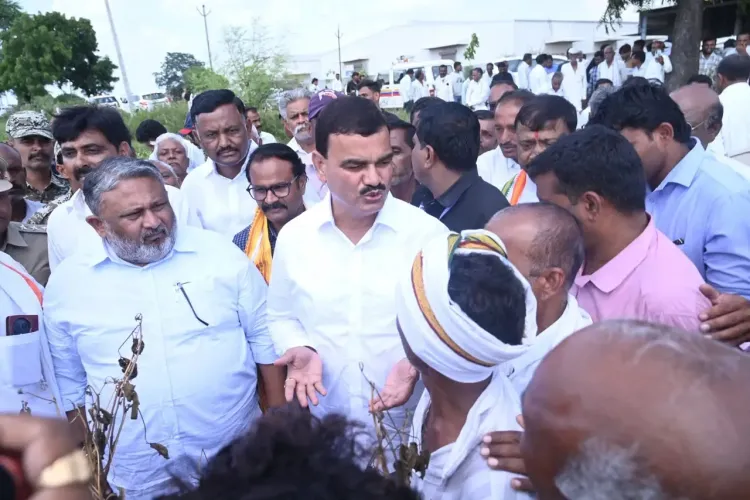
Crops including soybean, cotton, and sugarcane have suffered extensive damage, per the minister's field visits.
A detailed damage assessment ends September 30 ; the Chief Minister will chair a review meeting by October 5 to announce the relief package.
Villages with crop damage exceeding 33 per cent will qualify as drought-affected under the Union Government's Revised Drought Management Code, 2016 .
The Kharif season drought declaration deadline is October 30 ; relief will flow through the NDRF , state funds, and crop insurance payouts.
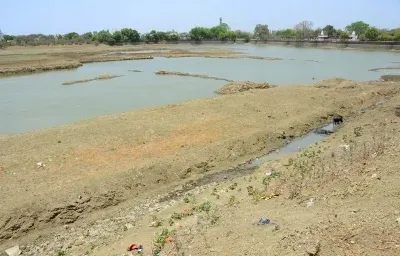
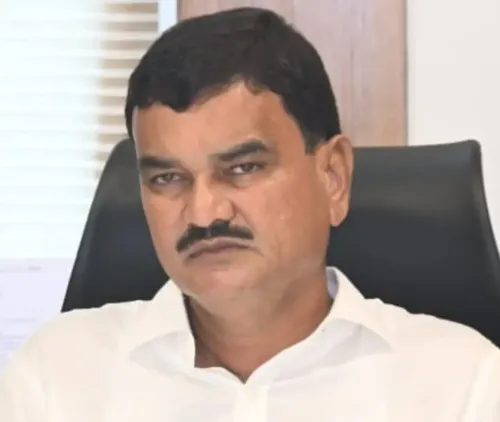
Maharashtra Agriculture Minister Dattatray Bharne on Monday, 21 September 2026, announced that the state government will extend all possible assistance to farmers facing acute distress amid drought-like conditions caused by scanty rainfall across 19 districts of the state. The announcement follows crop inspection tours by the minister, who confirmed extensive damage to soybean, cotton, and sugarcane. A comprehensive review meeting chaired by the Chief Minister is scheduled for October 5, after which the official financial assistance package will be declared.
Government's Assurance to Affected Farmers
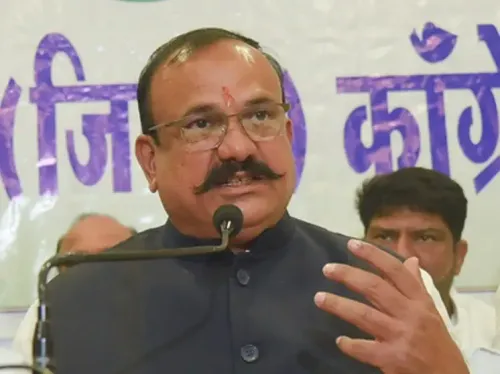
Relief and Rehabilitation Minister Makarand Jadhav Patil said officials have been directed to ensure no farmer affected during the Kharif season is left without state support. Meanwhile, Cooperation Minister Babasaheb Patil stated that 100 per cent drought conditions will be declared across the state, clarifying that financial relief distribution will strictly follow regulatory guidelines.
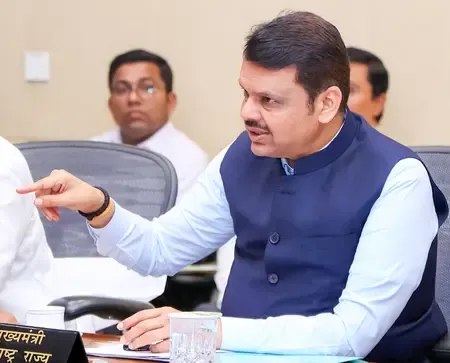
Minister Bharne confirmed that the Chief Minister and both Deputy Chief Ministers have already declared intent to assist affected farmers. 'The administration is actively coordinating assistance from multiple channels, including the National Disaster Response Fund (NDRF), state relief packages, and crop insurance payouts,' he said. 'Following a detailed assessment ending September 30, the Chief Minister will hold a comprehensive review meeting by October 5, after which the official financial assistance package will be announced. Delivering prompt relief to farmers remains our utmost priority,' Bharne added.
How Drought Is Assessed: The Three-Tier Framework
The Revenue and Forest Department (Relief Work) has issued revised criteria and procedures for drought assessment aligned with the Union Government's Revised Drought Management Code, 2016. The framework employs a three-tier scientific process evaluating drought severity based on rainfall, vegetation index, area sown, soil moisture, and groundwater levels.
Socio-economic indicators — including fodder availability, drinking water shortages, employment demand, and migration patterns — are also factored in. Minister Jadhav Patil explained that the process comprises three phases: checking rainfall indicators, assessing severity, and conducting ground verification surveys. Villages where crop damage exceeds 33 per cent will qualify as drought-affected.
Key Deadlines and Administrative Mechanism
The deadline to officially declare drought for the Kharif season is October 30, while the Rabi season deadline is March 31. Local authorities have been empowered to deploy water tankers immediately if drinking water shortages arise in affected villages.
A State-Level Drought Monitoring Committee operates under the Commissioner (Agriculture), supported by District-Level Committees led by respective Collectors. The Agriculture Minister is conducting review meetings and field visits across revenue divisions to submit recommendations to the Cabinet.
Relief Channels and What Comes Next
Assistance will be channelled through the NDRF, state relief packages, and crop insurance payouts. The Relief and Rehabilitation Department has been directed to execute measures on priority following the Chief Minister's instructions. A final assessment of the damage will be completed by September 30, setting the stage for the October 5 review meeting at which the relief quantum will be formally announced.
With harvests already damaged and water scarcity mounting in affected districts, the pace of the formal declaration and disbursement process will be closely watched by farming communities across Maharashtra.
Point of View
Committee activations, and a promise of relief after a formal assessment — but the real test will come after October 5. With the Kharif declaration deadline fixed at October 30, any administrative delay in completing the September 30 assessment could compress the window for disbursements dangerously close to the harvest cycle's end. Notably, the pledge of '100 per cent drought declaration' is a political signal as much as an administrative one; the actual per-village relief quantum, tied to the 33 per cent crop-damage threshold, could still leave pockets of distress unaddressed. Maharashtra has faced recurring Kharif droughts in recent years, and the gap between headline announcements and timely farm-level disbursements has historically been the state's Achilles' heel.
NationPress
21 Sept 2026
Frequently Asked Questions
Which districts of Maharashtra are facing drought-like conditions in 2026?
Drought-like conditions have been reported in 19 districts of Maharashtra due to scanty rainfall during the Kharif season. The Agriculture Minister has conducted crop inspection tours across these districts, confirming damage to soybean, cotton, and sugarcane.
When will Maharashtra officially announce the drought relief package?
A detailed damage assessment is scheduled to conclude by September 30 , after which the Chief Minister will hold a comprehensive review meeting by October 5 . The official financial assistance package will be announced following that meeting.
How does Maharashtra determine if a village qualifies as drought-affected?
The state follows the Union Government's Revised Drought Management Code, 2016 , using a three-tier scientific process that assesses rainfall, vegetation index, soil moisture, groundwater levels, and socio-economic factors. Villages where crop damage exceeds 33 per cent are classified as drought-affected.
What relief channels will Maharashtra use to help farmers?
The government will coordinate assistance through the National Disaster Response Fund (NDRF) , state relief packages, and crop insurance payouts. Local authorities can also deploy water tankers immediately in areas facing drinking water shortages.
What is the deadline for Maharashtra to declare a Kharif drought?
The statutory deadline to declare drought for the Kharif season is October 30 . For the Rabi season, the corresponding deadline is March 31 . The state has already signalled intent to declare 100 per cent drought conditions.