CM Fadnavis Vows 100% UCC Implementation in Maharashtra
Synopsis
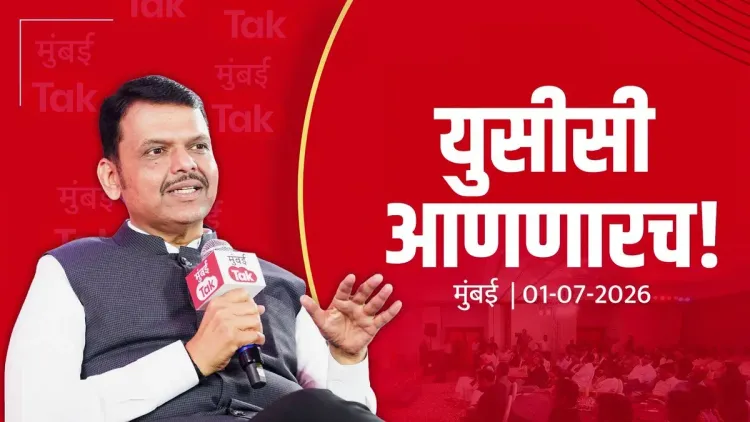
Maharashtra Chief Minister Devendra Fadnavis announced at the Mumbai Tak Baithak on 1 July 2026 that his government will implement the Uniform Civil Code 100 per cent in the state, extending the BJP's post-Uttarakhand push for state-level UCC legislation.
Key Takeaways
CM Devendra Fadnavis pledged 100% implementation of the Uniform Civil Code in Maharashtra at the Mumbai Tak Baithak on 1 July 2026 .
The UCC is grounded in Article 44 of the Indian Constitution, a Directive Principle urging a uniform civil code for all citizens.
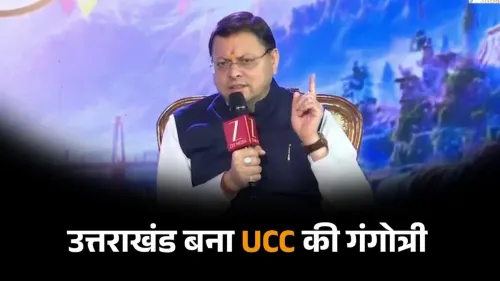
Uttarakhand became the first state to pass a UCC law in February 2024 , serving as a legislative precedent for Maharashtra.
The BJP has committed to UCC in its national manifestos since 1996 , making this announcement consistent with long-standing party policy.
Implementation would affect personal laws on marriage, divorce, inheritance and adoption for all communities in Maharashtra.
Any Maharashtra UCC legislation is expected to face legal scrutiny before the Bombay High Court and the Supreme Court of India .
Maharashtra Chief Minister Devendra Fadnavis declared on Wednesday, 1 July 2026, that the state government will implement the Uniform Civil Code (UCC) in full, making the announcement at the Mumbai Tak Baithak event in Mumbai. The commitment, shared via a reply on X to @mumbaitak, signals a decisive policy direction for the BJP-led Maharashtra government.
Posting in both Marathi and Hindi, Fadnavis stated: 'महाराष्ट्रात आम्ही समान नागरी संहिता (यूसीसी) 100 % लागू करणार' ['In Maharashtra, we will implement the Uniform Civil Code (UCC) 100 per cent']. The bilingual post underscored the administration's intent to reach both Marathi-speaking and Hindi-speaking audiences across the state.
Context
The Uniform Civil Code is rooted in Article 44 of the Indian Constitution, a Directive Principle that instructs the State to endeavour to secure a uniform civil code for all citizens. It envisions replacing religion-specific personal laws — governing marriage, divorce, inheritance and adoption — with a single, secular framework applicable to every citizen regardless of faith.
Fadnavis made the declaration at the Mumbai Tak Baithak, a public interaction forum, lending the announcement a direct, conversational character rather than a formal legislative setting. The Chief Minister's use of the phrase '100 per cent' signals an unambiguous commitment rather than a phased or partial approach.
Policy Backdrop
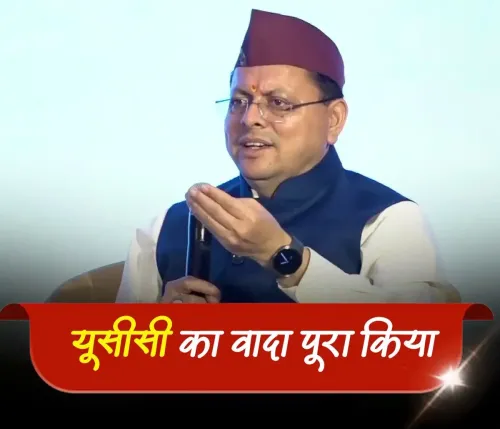
The Bharatiya Janata Party has included UCC as a core manifesto pledge since 1996, reaffirming it prominently in its 2014 and 2019 general election manifestos. Uttarakhand became the first Indian state to pass a UCC law when its Assembly enacted the Uniform Civil Code Bill in February 2024, providing a legislative template that other BJP-governed states have been studying.
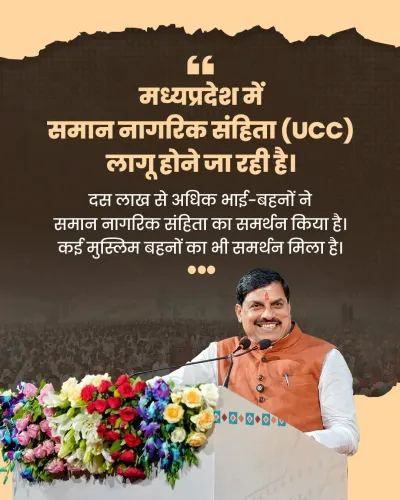
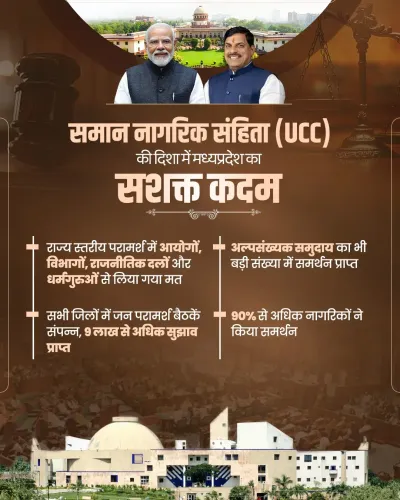
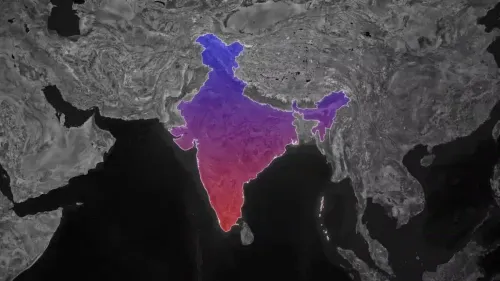
Discussions around state-level UCC legislation have also been reported in Gujarat and Madhya Pradesh, making Maharashtra's potential move part of a broader, coordinated state-level push within the party's governance agenda. Maharashtra, as one of India's most populous and economically significant states, would represent a major expansion of UCC's geographic reach if legislation is enacted.
Stakeholders and Impact
A UCC in Maharashtra would affect all citizens of the state — including Hindus, Muslims, Christians, Parsis and members of other communities — by standardising laws on personal matters such as marriage, divorce, maintenance and inheritance. Women's rights groups have historically been divided, with some welcoming the prospect of uniform protections and others raising concerns about implementation and community consultation.
Religious minority organisations have consistently argued that personal laws are integral to cultural identity and that any uniform code must be drafted through broad consensus. Legal scholars note that any Maharashtra UCC law would face scrutiny before the Bombay High Court and potentially the Supreme Court of India, given the constitutional complexity of harmonising personal law across faiths.
What's Next
The immediate next step will be whether the Maharashtra government introduces a formal UCC bill in the state Assembly, and the timeline it sets for drafting, public consultation and enactment. Observers will watch whether Fadnavis constitutes an expert committee — as Uttarakhand did before its 2024 legislation — or moves directly to a legislative draft.
If Maharashtra proceeds to enact a UCC, it would mark a significant moment in India's federal legal landscape, potentially prompting similar moves in other states and intensifying the national debate around a central UCC. The political and legal trajectory of this commitment is likely to shape Maharashtra's legislative calendar through the remainder of 2026 and beyond.
Point of View
Committee-driven approach Uttarakhand adopted before its 2024 UCC law, suggesting the Maharashtra government may seek to move faster and more visibly on a flagship BJP ideological commitment. Coming at a public media forum rather than the Assembly, the announcement is as much a political signal to the BJP's core constituency as it is a governance roadmap. Maharashtra's size and diversity mean any UCC legislation here would carry far greater demographic weight than Uttarakhand's, raising the stakes for both proponents and critics. The declaration sets up a significant legislative and judicial test that will define Fadnavis's second full term as Chief Minister.
NationPress
2 Jul 2026
Frequently Asked Questions
What did CM Devendra Fadnavis say about UCC in Maharashtra?
At the Mumbai Tak Baithak on 1 July 2026, CM Devendra Fadnavis declared that the Maharashtra government will implement the Uniform Civil Code 100 per cent in the state.
What is the Uniform Civil Code (UCC)?
The Uniform Civil Code is a proposed legal framework that would replace religion-specific personal laws — governing marriage, divorce, inheritance and adoption — with a single set of civil laws applicable to all citizens, as envisioned under Article 44 of the Indian Constitution.
Which Indian state first implemented UCC?
Uttarakhand was the first Indian state to pass a Uniform Civil Code law, with its Assembly enacting the UCC Bill in February 2024.
How would UCC affect people in Maharashtra?
A UCC in Maharashtra would standardise personal laws on marriage, divorce, maintenance and inheritance for all citizens — Hindus, Muslims, Christians, Parsis and others — replacing the current system of separate religion-based personal laws.
Will Maharashtra's UCC face legal challenges?
Legal experts anticipate that any UCC legislation enacted by Maharashtra could face constitutional challenges before the Bombay High Court and the Supreme Court of India, given the complexity of harmonising personal laws across different religious communities.