CM Rekha Gupta Renames Dwarka Metro Station to Dwarka Kakrola
Synopsis
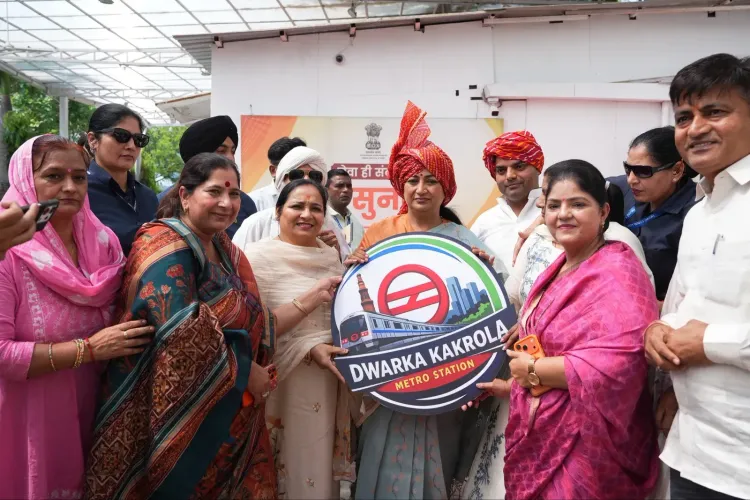
Delhi Chief Minister Rekha Gupta met Kakrola village residents on June 1, 2026, after the government fulfilled their long-standing demand to rename Dwarka Metro Station to 'Dwarka Kakrola', honouring local identity and heritage in southwest Delhi.
Key Takeaways
Delhi CM Rekha Gupta met Kakrola village residents at the Mukhyamantri Jan Seva Sadan on June 1, 2026 .
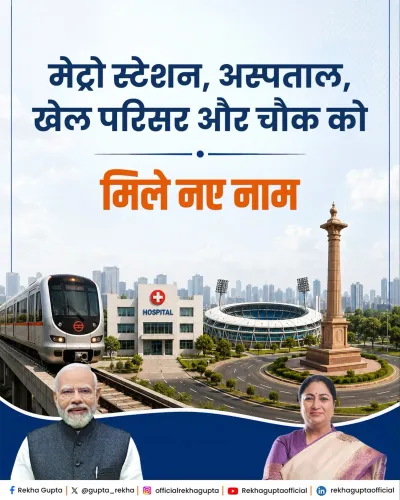
Dwarka Metro Station on the Blue Line has been renamed 'Dwarka Kakrola' , fulfilling a years-old demand by village residents.
Residents expressed gratitude to the Delhi government at the meeting; BJP MLA Sandeep Sahrawat was also present.
DMRC began operations in the Dwarka region from 2005 , integrating historic villages into the urban transit network.
A formal DMRC notification and signage updates at the station are expected in the coming months.
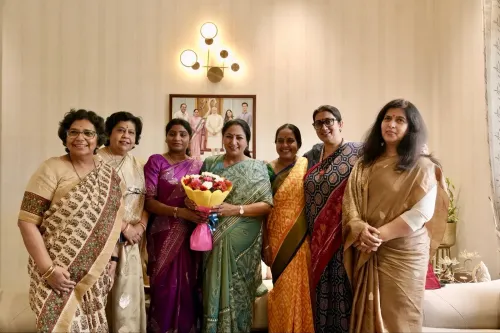
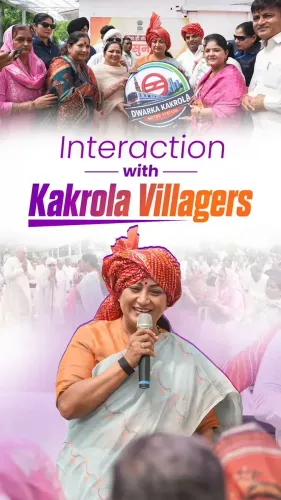
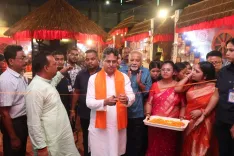
Delhi Chief Minister Rekha Gupta met residents of Kakrola village at the Mukhyamantri Jan Seva Sadan on Monday, June 1, 2026, where villagers expressed gratitude to the Delhi government for fulfilling their long-standing demand to rename Dwarka Metro Station to 'Dwarka Kakrola'.
Context
Chief Minister Gupta hosted the interaction under the Mukhyamantri Jan Seva Sadan (Chief Minister Public Service Centre) initiative, a platform designed for direct citizen engagement with the state government. Residents of Kakrola village attended in numbers to personally thank the administration for a renaming they described as a years-old demand finally met. BJP MLA Sandeep Sahrawat, who represents the local constituency, was also present at the occasion alongside other dignitaries.
In her post, Chief Minister Gupta described the decision as 'sthaniya pehchaan, virasat aur janbhavnaon ko samman dene ki disha mein ek mahatvapurn kadam' — 'an important step towards respecting local identity, heritage, and the sentiments of the people.'
Policy Backdrop
Delhi Metro Rail Corporation (DMRC) began phased operations in the Dwarka sub-city area of southwest Delhi from 2005 onward, integrating several historic villages — including Kakrola — into the expanding urban transit network. As planned colonies grew around these villages, older settlements found their identities increasingly subsumed under broader locality names. The renaming of the metro station is intended to restore Kakrola's distinct geographic identity on the public transit map.
Successive Delhi governments have periodically adjusted the names of metro stations and public facilities to align with local geography and resident preferences. BJP administrations at both the municipal and state level have highlighted such symbolic measures as part of a wider emphasis on heritage recognition during rapid urban expansion in southwest Delhi.
Stakeholders and Impact
For Kakrola village residents, the renaming carries symbolic weight beyond mere signage — it places the village's name on one of the city's most-used public infrastructure networks, the Delhi Metro Blue Line. Daily commuters passing through the station will encounter the village's name, reinforcing its continued presence within the urban fabric of Dwarka.
The decision also has practical implications for wayfinding: maps, mobile navigation applications, and metro route information will need to be updated to reflect the new station name once DMRC issues a formal notification. Residents and commuter groups in the broader Dwarka area are among the key stakeholders who will experience this change directly.
What's Next
A formal DMRC notification on the renaming, along with associated signage updates at the station and revisions to digital mapping services, is expected in the coming months. The pace of these operational changes will determine how quickly the new name enters everyday public use. The interaction at the Jan Seva Sadan signals the BJP-led Delhi government's intent to position heritage-sensitive governance decisions as a key pillar of its local outreach ahead of continued urban development in southwest Delhi.
Point of View
High-visibility gesture that fits a recognisable BJP playbook of using nomenclature changes to signal responsiveness to local communities. For Chief Minister Rekha Gupta, hosting village residents at the Jan Seva Sadan and publicly crediting their 'years-old demand' frames the decision as citizen-driven rather than top-down, reinforcing a direct-connect governance image. The move also reflects a broader tension in Delhi's rapid urban expansion: as planned colonies absorb historic villages, renaming public infrastructure becomes one of the few available tools to preserve village-level identity. Whether the gesture translates into deeper administrative recognition for Kakrola and similar urban villages will be the real test of the policy's substance.
NationPress
16 Oct 2026
Frequently Asked Questions
Why was Dwarka Metro Station renamed to Dwarka Kakrola?
The station was renamed to honour the identity and heritage of Kakrola, a historic village located within the Dwarka sub-city area of southwest Delhi, in response to a long-standing demand from village residents.
Which metro line is Dwarka Kakrola station on?
Dwarka Kakrola station is on the Delhi Metro Blue Line , which serves the Dwarka locality in southwest Delhi.
Who was present at the Mukhyamantri Jan Seva Sadan meeting on June 1, 2026?
Delhi Chief Minister Rekha Gupta , BJP MLA Sandeep Sahrawat , Kakrola village residents, and other dignitaries were present at the meeting.
When will the new name Dwarka Kakrola appear on maps and at the station?
A formal DMRC notification and signage updates are expected in the coming months; digital mapping services will be updated once the official notification is issued.
What is the Mukhyamantri Jan Seva Sadan?
The Mukhyamantri Jan Seva Sadan is a Delhi government platform that enables direct public engagement between citizens and the Chief Minister to address local grievances and demands.