CM Himanta Backs Van Mahotsav With Personal Pledge to Plant
Synopsis
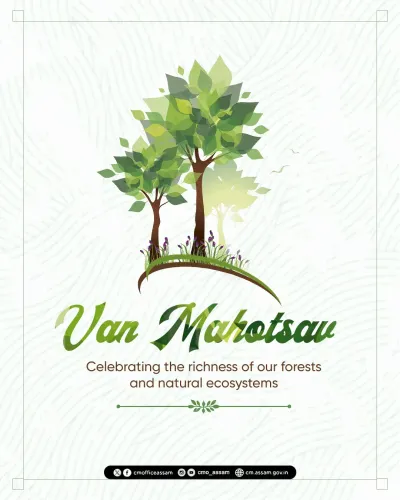
Assam Chief Minister Himanta Biswa Sarma launched Van Mahotsav 2026 on 1 July, calling for Jan Bhagidari-driven tree planting across the state and disclosing his personal practice of planting a sapling on every official trip outside Guwahati.
Key Takeaways
Van Mahotsav begins on 1 July 2026 , a week-long national tree-planting festival first launched in 1950 by K.
CM Himanta Biswa Sarma called on Assam's citizens to plant at least one sapling during the festival week.
Sarma invoked Jan Bhagidari — people's participation — as the driving force for expanding the state's green cover.
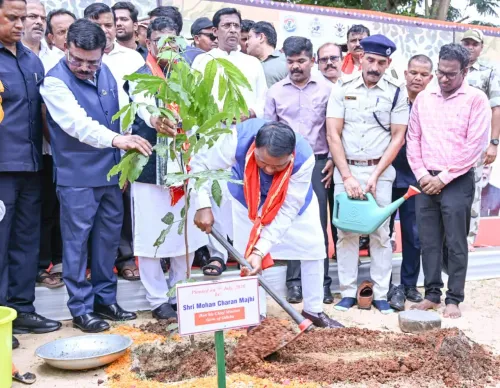
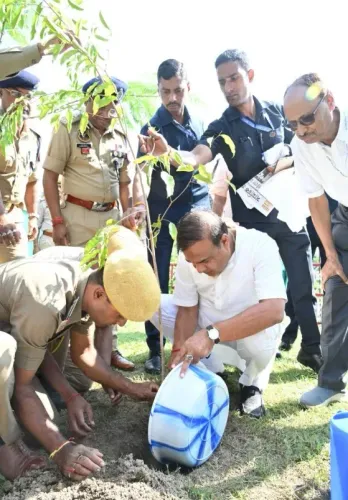
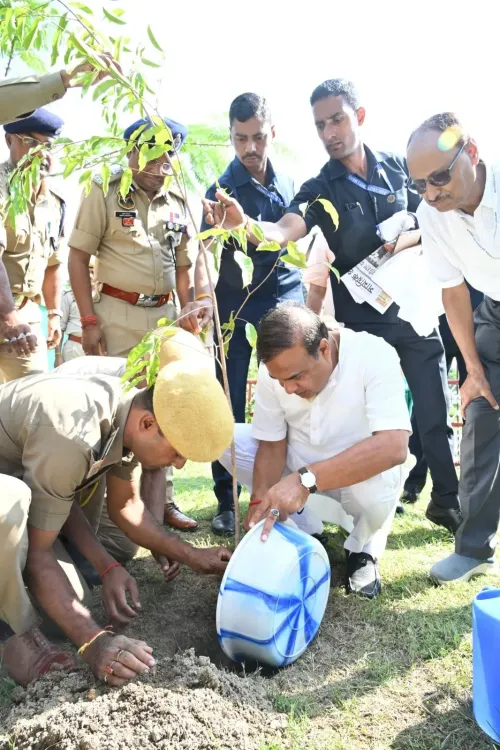
The Chief Minister disclosed a personal commitment: planting one tree on every official trip outside Guwahati .
Assam has over 35 per cent forest cover and aligns its drives with the National Afforestation Programme and Green India Mission .
Survival rates of planted saplings, not just plantation numbers, remain the key metric to watch after the week concludes.
Assam Chief Minister Himanta Biswa Sarma on Wednesday, 1 July 2026, marked the start of Van Mahotsav — India's week-long annual tree-planting festival — by calling on citizens to harness the spirit of Jan Bhagidari (people's participation) and plant at least one sapling over the coming seven days, adding that he personally plants a tree on every official trip outside Guwahati.
Context
Van Mahotsav is observed during the first week of July every year and was first launched in 1950 by then-Union Agriculture Minister K. M. Munshi to drive a national afforestation movement. Over seven decades, the festival has evolved from a symbolic gesture into a coordinated national campaign, with state governments, schools, and civic bodies organising mass plantation drives. Chief Minister Sarma's post marks the 2026 edition of the festival, aligning Assam's state machinery with the broader national observance.
In his post, Sarma urged citizens: 'Let us devote the power of Jan Bhagidari to increase our green cover and guarantee a secure future for our children by planting a sapling over the next one week.' He also disclosed a personal habit — planting one tree on every journey he undertakes outside Guwahati — framing individual action as inseparable from collective environmental responsibility.
Policy Backdrop
Assam currently records more than 35 per cent of its geographical area under forest cover, one of the higher figures among Indian states, yet ecologists note that the Northeast's biodiversity-rich zones remain under pressure from encroachment and climate variability. The state has previously aligned its afforestation efforts with the National Afforestation Programme (launched 2000) and the Green India Mission (operational since 2014), both of which emphasise community-driven plantation and forest management.
The concept of Jan Bhagidari — a government-promoted framework of people's participation in public welfare — has been a recurring theme in both central and state environmental campaigns. Invoking it during Van Mahotsav signals an intent to move afforestation beyond department-led targets and into everyday citizen behaviour.
Stakeholders and Impact
The immediate audience for Sarma's appeal is Assam's residents and local communities, particularly those living near forest fringes where tree cover loss has direct livelihood consequences. District forest officers and gram panchayats typically serve as implementation arms during Van Mahotsav, mobilising volunteers and distributing saplings at community centres and schools.
Broader stakeholders include environmental groups active in the Northeast, who have long advocated for higher sapling survival rates — not merely plantation numbers — as the true measure of such drives. The Chief Minister's emphasis on personal participation could encourage local officials to lead by example rather than treat the week as a paperwork exercise.
What's Next
Attention will now turn to district-level reports on the number of saplings planted across Assam during the 1–7 July 2026 window and, crucially, follow-up monitoring of survival rates in subsequent months. Any state budget reallocation or new forest policy announcements in the wake of the July drive would be a further indicator of the government's commitment beyond the ceremonial week. Sarma's public pledge also sets an informal benchmark: whether his personal travel log of tree-plantings is documented and shared could itself become a transparency signal for the administration's environmental seriousness.
Point of View
Which has been used to build citizen ownership of government schemes from sanitation to vaccination. By foregrounding his own sapling-planting habit, the Chief Minister personalises the ask in a way that top-down targets rarely achieve. In the Northeast, where forest cover is both a political and ecological flashpoint, such signals carry added weight — they pre-empt criticism from green groups while reinforcing Assam's self-image as a biodiversity steward. The real test, as always, will be whether district machinery converts the week's enthusiasm into measurable, verifiable canopy gains.
NationPress
29 Sept 2026
Frequently Asked Questions
What is Van Mahotsav and when is it celebrated?
Van Mahotsav is India's annual week-long tree-planting festival observed during the first week of July every year. It was launched in 1950 by Union Agriculture Minister K. M. Munshi to promote afforestation and environmental awareness across the country.
What did Assam CM Himanta Biswa Sarma say about Van Mahotsav 2026?
CM Himanta Biswa Sarma urged citizens to use the spirit of Jan Bhagidari to plant at least one sapling during the festival week of 1–7 July 2026 . He also revealed that he personally plants a tree on every official trip outside Guwahati .
What is Jan Bhagidari in the context of environmental campaigns?
Jan Bhagidari refers to a government-promoted model of people's participation in public welfare initiatives. In environmental campaigns, it is used to encourage community-level action — such as sapling plantation — rather than relying solely on government-led drives.
What is Assam's current forest cover?
Assam has more than 35 per cent of its geographical area under recorded forest cover, one of the higher figures among Indian states. The state participates in the National Afforestation Programme and the Green India Mission to sustain and expand this cover.
How can citizens participate in Van Mahotsav in Assam?
Citizens can participate by planting at least one sapling anywhere — in their home, neighbourhood, or community space — during the first week of July. Local gram panchayats and district forest offices typically distribute saplings and organise community plantation events during this period.