CM Himanta Calls World to Discover Assam on Tourism Day
Synopsis
On World Tourism Day 2026, Assam Chief Minister Himanta Biswa Sarma used the #AwesomeAssam platform to invite global travellers to explore the state's Brahmaputra landscapes, tea gardens, wildlife and Sattriya classical heritage — reinforcing a long-running state brand strategy linking culture with economic growth.
Key Takeaways
World Tourism Day (27 September) was the occasion for CM Himanta Biswa Sarma's promotional post for Assam.
The #AwesomeAssam campaign is an established state brand linking cultural preservation with economic diversification in Northeast India .
Sattriya , recognised as one of India's eight classical dance forms since 2000 , features centrally in Assam's cultural tourism pitch.
The Brahmaputra river and its wildlife corridors — including habitats for the Indian one-horned rhinoceros — are key natural draws.
Infrastructure investment, air connectivity, and festival-season marketing remain the longer-term tests of how well the branding converts into actual visitor numbers.
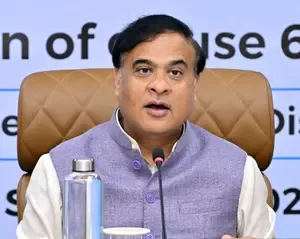
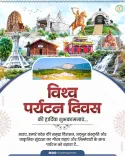
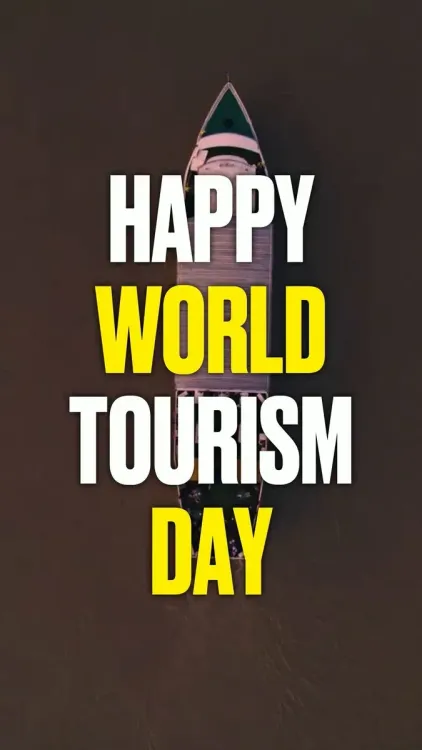
On World Tourism Day, 27 September 2026, Assam Chief Minister Himanta Biswa Sarma sent out a sweeping invitation to travellers everywhere — framing his state not merely as a destination, but as an experience with no real equivalent on the map.
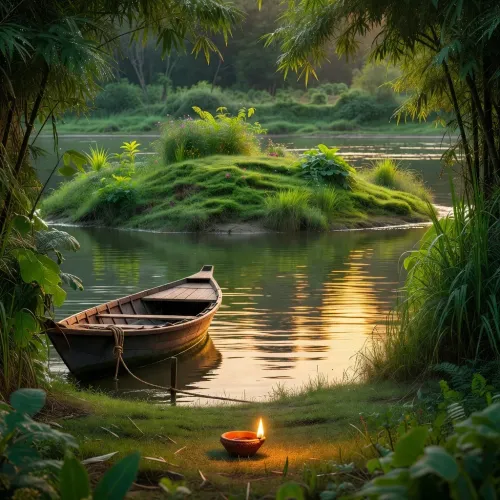
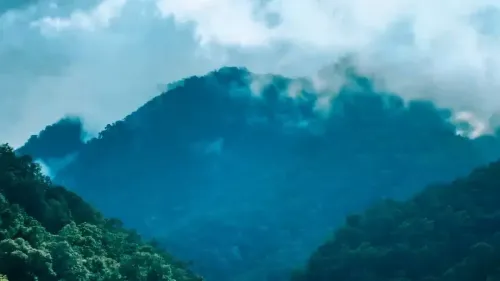
In a post timed to coincide with the UN World Tourism Organization's annual global observance, Sarma wove together Assam's defining images: the mist-draped hills, the rolling tea gardens, the sheer muscular force of the Brahmaputra, its storied wildlife corridors, and the living classical heritage of Sattriya dance and indigenous traditions. 'Discover Assam, experience its magic and take its timeless charm to the world,' he wrote, anchoring the call to action in the #AwesomeAssam campaign.
What the Brahmaputra and Its Hinterland Actually Offer
The pitch is grounded in genuine geographic variety. The Brahmaputra — one of Asia's great rivers — defines not just Assam's ecology but its cultural imagination, giving rise to riverine festival traditions and a hospitality economy built around its shifting banks. The state's tea gardens, many dating to the mid-19th century, remain among the most visited landscapes in Northeast India. Wildlife sanctuaries — most famously Kaziranga — protect the world's densest population of Indian one-horned rhinoceroses, drawing conservation tourists from across the globe.
Sattriya Culture — The Classical Strand in Assam's Tourism Pitch
Sattriya, one of India's eight classical dance forms, was recognised by the Sangeet Natak Akademi in 2000. It originates in the Satras — Vaishnavite monasteries of Assam — and carries a spiritual and performative vocabulary that tourism promoters have increasingly spotlighted as a differentiator. Pairing wildlife with classical performing arts in a single tourism narrative is a calculated move: it widens the visitor profile beyond nature tourists to include cultural travellers.
#AwesomeAssam and the State's Longer Brand Play
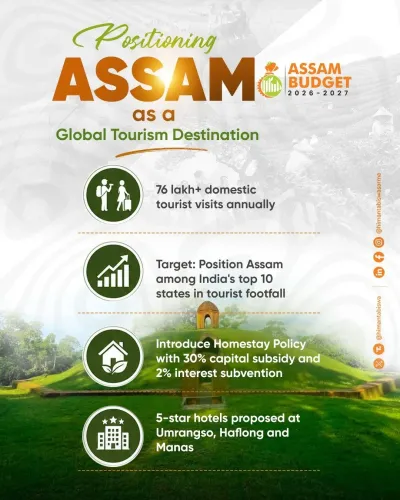
The #AwesomeAssam hashtag is not a one-day campaign — it is an established state-level brand that successive governments have used to link cultural preservation with economic diversification. The strategy recognises a structural reality: Northeast India remains underpenetrated as a tourism market relative to its ecological and cultural density, and visibility on global platforms on days like World Tourism Day is a low-cost, high-reach lever. What converts that visibility into arrivals — infrastructure investment, flight connectivity, hospitality capacity — is the longer and harder work that plays out in state budget cycles and festival-season marketing tie-ups.
For a region that has long sought to translate its extraordinary natural and cultural assets into sustained economic momentum, a Chief Minister's post on the right day, framing the right image, is step one. The Brahmaputra keeps flowing regardless — but whether the world follows is Assam's ongoing challenge.
Point of View
Tourism growth also carries a political dividend: it signals normalcy, economic momentum and effective administration. The real measure will come when state budgets and private investment back the optics with runways, roads and room capacity.
NationPress
27 Sept 2026
Frequently Asked Questions
What is World Tourism Day and when is it celebrated?
World Tourism Day is an annual observance on 27 September , promoted by the UN World Tourism Organization to highlight tourism's social, cultural and economic value.
What is the #AwesomeAssam campaign?
#AwesomeAssam is an established state government tourism brand for Assam that promotes the state's wildlife, tea gardens, Brahmaputra riverscapes and classical heritage to domestic and international travellers.
What is Sattriya dance and why is it significant for Assam tourism?
Sattriya is one of India's eight classical dance forms, recognised by the Sangeet Natak Akademi in 2000 . It originates in Assam's Vaishnavite monasteries called Satras and gives the state a distinct cultural identity that tourism promoters use to attract heritage-focused travellers.
What wildlife attractions does Assam offer tourists?
Assam is home to some of India's richest wildlife corridors, most notably Kaziranga National Park , which protects the world's densest population of Indian one-horned rhinoceroses and is a major draw for conservation tourists.
What challenges does Assam face in converting tourism promotion into actual visitor growth?
Despite strong natural and cultural assets, Assam and the broader Northeast India region remain relatively underpenetrated tourism markets. Key challenges include improving air and road connectivity, expanding hospitality capacity and sustaining marketing investment beyond campaign moments.