CM Himanta Deploys Medical Teams Across Flood-Hit Assam
Synopsis
Assam CM Himanta Biswa Sarma on 20 July 2026 deployed medical teams across all flood-affected areas, directing the Health Department to maintain highest alert and ensure uninterrupted medicine stocks to prevent disease outbreaks during the peak monsoon season.
Key Takeaways
Assam CM Himanta Biswa Sarma announced deployment of medical teams across all flood-affected areas on 20 July 2026 .
The directive focuses on health screening of vulnerable groups, uninterrupted medicine availability, and disease outbreak prevention.
The Health Department has been ordered to maintain the highest state of alert at all times.
The National Health Mission, Assam (@nhm_assam) is the primary operational body executing the health response.
The move follows Assam's established practice of integrating health surveillance into annual flood disaster management protocols.
Post-flood disease surveillance bulletins and potential National Disaster Response Fund requests will be key indicators to watch in coming weeks.
Assam Chief Minister Himanta Biswa Sarma on Monday, 20 July 2026, announced the deployment of medical teams across all flood-affected areas of the state, directing the Health Department to remain on the highest state of alert and maintain uninterrupted stocks of medicines and essential medical supplies.
Context
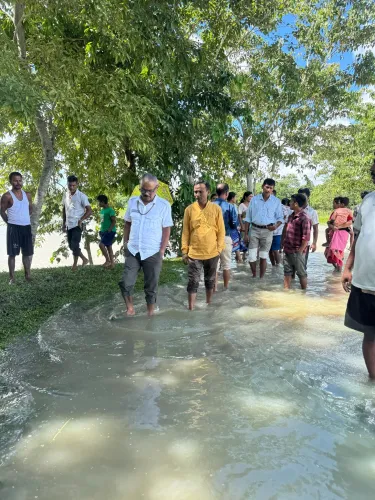
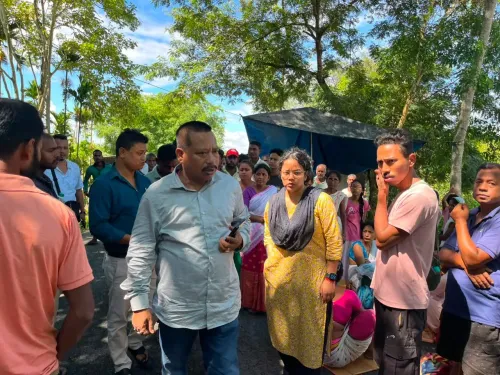
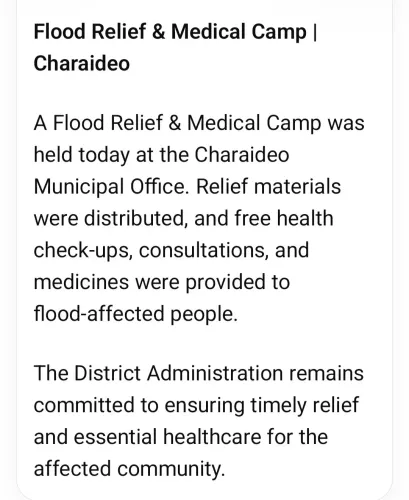
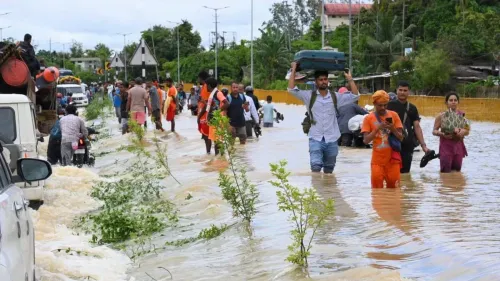
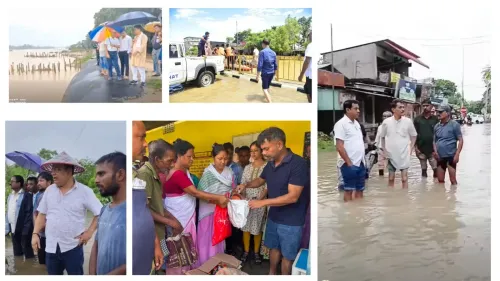
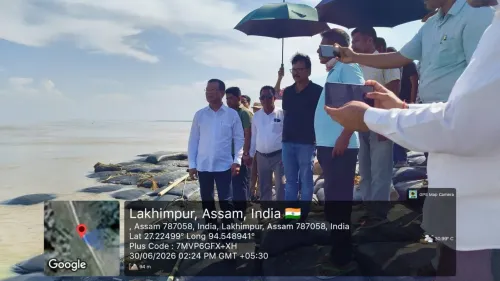
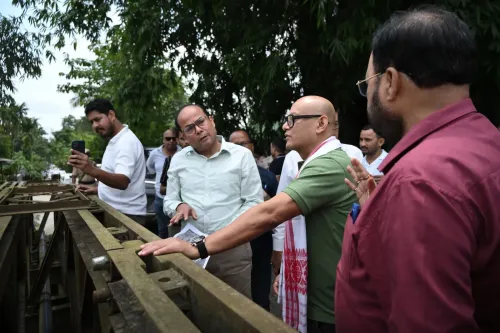
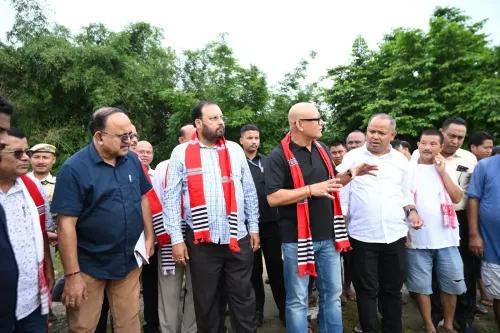
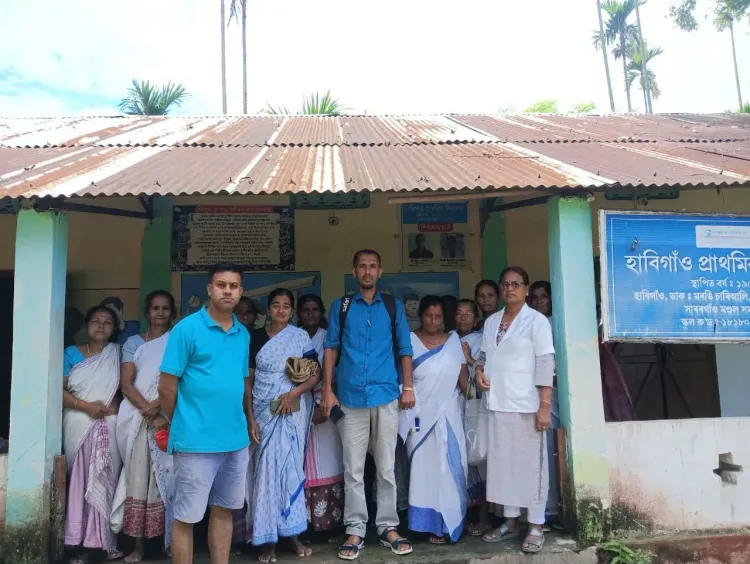
In a post on X, CM Sarma stated that the medical teams have been deployed to ensure timely health screening of vulnerable groups, uninterrupted availability of medicines, and effective measures to prevent any outbreak of disease. He tagged @nhm_assam — the National Health Mission, Assam — signalling that the state's primary healthcare delivery arm is central to the response. The announcement was accompanied by four images documenting ground-level health operations.
The directive comes as Assam's Brahmaputra valley enters its peak monsoon flood season, a period that historically strains both infrastructure and public health systems across the state's riverine districts.
Policy Backdrop
Assam has for over a decade embedded health-response components within its state disaster management plans, including mobile medical camps and pre-positioned medicine stockpiles. These protocols, executed largely through the National Health Mission, were developed in response to recurring secondary public-health crises — diarrhoeal diseases, malaria, and other waterborne and vector-borne illnesses — that follow annual flooding.
The National Health Mission at the state level focuses on strengthening primary care and disease prevention in rural and vulnerable areas, making it the operational backbone of flood-season health surveillance. CM Sarma's explicit direction to the Health Department to maintain 'adequate stocks of all medicines and other essential medical supplies at all times' mirrors protocols that successive administrations in Assam have followed, now being reinforced at the chief ministerial level.
Stakeholders and Impact
The populations most directly affected are flood-displaced communities in low-lying riverine districts of Assam, where access to healthcare facilities is often disrupted by inundation and damaged roads. Frontline rural health workers and National Health Mission personnel are the primary implementers of the directive.
Vulnerable groups — including children, the elderly, and pregnant women — are specifically identified for health screening, reflecting standard disaster-health protocols that prioritise populations with the highest risk of disease complication. Uninterrupted medicine availability is critical in such settings, where supply-chain disruptions during floods can otherwise leave communities without basic treatments.
What's Next
State health bulletins on post-flood disease surveillance will be a key indicator of whether the deployment is containing outbreak risks. Analysts will also watch for any supplementary assistance requests under the National Disaster Response Fund if the flood situation intensifies in the coming weeks.
The coming days will test the state's capacity to sustain medical supply chains and health worker mobility across districts where flooding may deepen, with the National Health Mission, Assam expected to publish ground-level situation reports as part of its standard disaster-response protocols.
Point of View
He places the health response on the record and creates a visible chain of command. The move fits a broader pattern in which the Sarma administration uses social media announcements to demonstrate proactive governance during Assam's predictable annual flood crisis. The explicit emphasis on 'highest state of alert' and 'adequate stocks at all times' suggests the administration is aware of past criticism over supply-chain gaps during flood emergencies. How effectively the National Health Mission translates this directive into sustained ground-level coverage will determine whether the announcement holds up beyond optics.
NationPress
21 Jul 2026
Frequently Asked Questions
Why has Assam deployed medical teams during floods?
Assam's annual monsoon floods create secondary public-health risks including waterborne and vector-borne diseases; CM Himanta Biswa Sarma deployed medical teams on 20 July 2026 to screen vulnerable groups and prevent outbreaks.
What has Assam CM Himanta Biswa Sarma directed the Health Department to do?
CM Sarma has directed the Assam Health Department to remain on the highest state of alert and ensure adequate stocks of all medicines and essential medical supplies are available at all times in flood-affected areas.
What is the role of National Health Mission Assam in flood response?
The National Health Mission Assam is the state's primary healthcare delivery body and serves as the operational backbone for deploying medical teams, maintaining medicine supplies, and conducting disease surveillance during flood emergencies.
Which groups are being prioritised for health screening in flood-hit Assam?
Vulnerable groups — including children, the elderly, and pregnant women — are the primary targets for health screening under the medical deployment announced by CM Himanta Biswa Sarma.
What diseases are a concern after floods in Assam?
Post-flood Assam typically sees heightened risks of diarrhoeal diseases, malaria, and other waterborne and vector-borne illnesses, which is why the current directive prioritises disease outbreak prevention alongside medicine stockpiling.