CM Himanta Deploys Ministers, MLAs to Assam Flood Zones
Synopsis
The Chief Minister's Office of Assam announced on July 24, 2026, that ministers and MLAs have been deployed to flood-affected districts on CM Himanta Biswa Sarma's directive to lead rescue operations and oversee relief distribution during the active monsoon flood crisis.
Key Takeaways
CM Himanta Biswa Sarma has directed ministers and MLAs to be physically present in flood-affected areas across Assam .
Elected representatives are tasked with monitoring the flood situation , leading rescue operations, and overseeing relief distribution.
The announcement was made by the Chief Minister's Office of Assam on July 24, 2026 .
Assam faces annual monsoon flooding driven by the Brahmaputra river system , displacing large populations each year.
The Assam State Disaster Management Authority , set up in 2007 , provides the formal coordination framework for such relief operations.
Long-term focus is expected to shift toward embankment and river management projects once immediate relief operations stabilise.
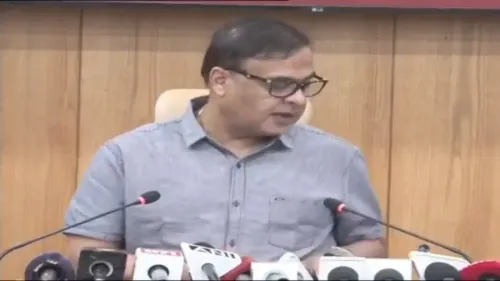
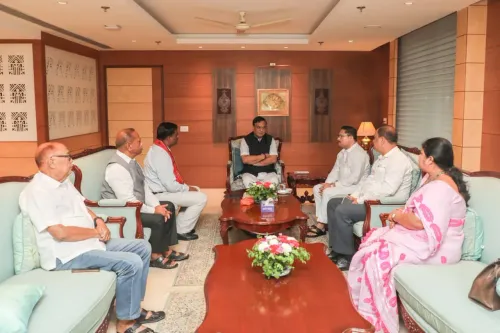
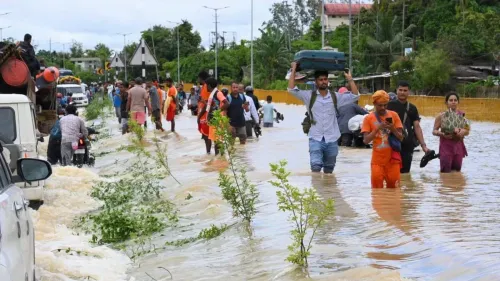
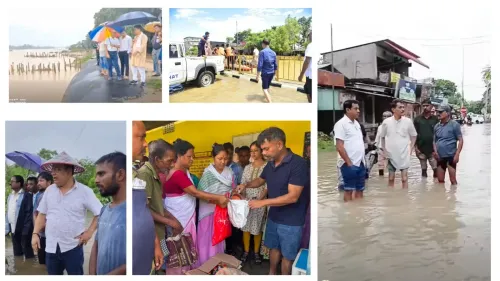
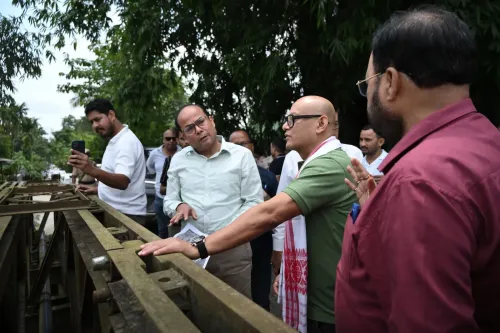
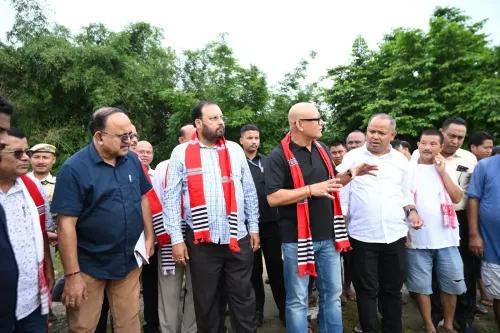
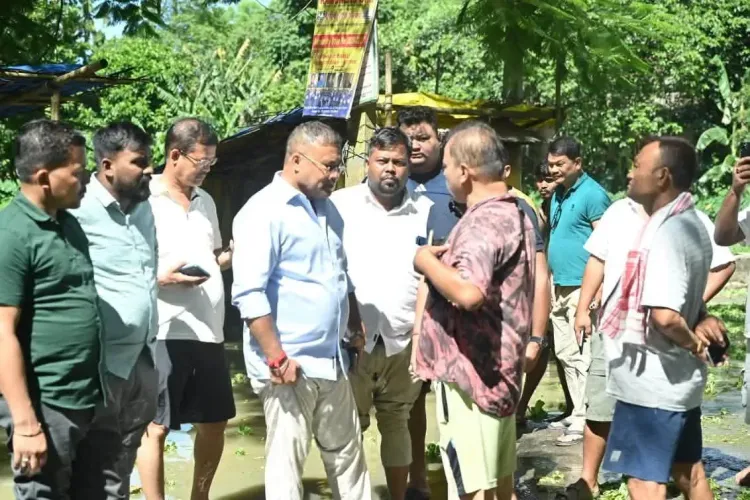
The Chief Minister's Office of Assam announced on Friday, July 24, 2026, that ministers and legislators have been deployed across flood-affected districts of the state, acting on directions from Chief Minister Dr. Himanta Biswa Sarma to lead rescue operations and oversee relief distribution on the ground.
Context
The CMO's post states that 'Hon'ble Ministers and MLAs are on the ground across flood-affected areas, continuously monitoring the situation while leading rescue operations and overseeing relief distribution.' The directive signals a hands-on administrative posture from CM Himanta Biswa Sarma, who assumed office in 2021 and has since made visible field deployments a recurring feature of the state's disaster response.
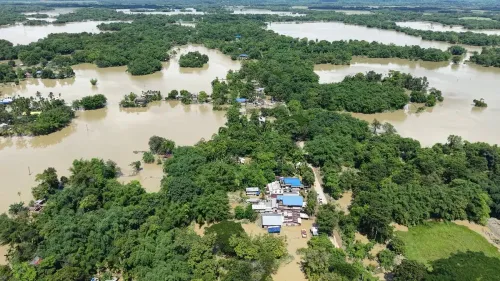
Assam is among India's most flood-prone states, situated in the northeastern region and drained by the expansive Brahmaputra river system. Every monsoon season brings large-scale inundation that displaces communities, damages crops, and strains public infrastructure across multiple districts simultaneously.
Policy Backdrop
The state's formal disaster response architecture rests on the Assam State Disaster Management Authority (ASDMA), constituted in 2007 under the national Disaster Management Act to coordinate flood relief, rescue logistics, and inter-agency communication. The authority works alongside district administrations, the National Disaster Response Force (NDRF), and the State Disaster Response Force (SDRF) during active flood events.
Deploying elected representatives — ministers and members of the legislative assembly — alongside district officials is consistent with India's federal disaster-response framework, where state governments bear primary responsibility for immediate relief under national guidelines. Successive Assam governments have used this model to ensure political accountability reaches the field level during emergencies.
Stakeholders and Impact
The most immediate stakeholders are flood-affected residents across Assam's vulnerable districts, whose access to rescue boats, relief camps, food, and medical assistance depends directly on the coordination that ministers and MLAs are now tasked to ensure. Local administration — including district collectors, circle officers, and block-level officials — works in parallel to manage logistics on the ground.
Farmers, daily-wage workers, and small traders in low-lying areas typically bear the heaviest economic burden of annual flooding, with standing crops, livestock, and household assets at risk. The presence of elected representatives in the field is intended to accelerate the identification of the most vulnerable pockets and fast-track relief delivery to those communities.
What's Next
The state administration is expected to release district-wise flood situation reports as the monsoon season progresses. Attention will also turn to rehabilitation packages for affected families once immediate rescue operations stabilise.
Longer-term, legislative discussions on embankment reinforcement and Brahmaputra river management projects are likely to gain renewed momentum in the Assam Legislative Assembly, as recurring flooding continues to underline the limits of relief-only responses. Durable solutions — including erosion-control infrastructure and early-warning systems — remain central to the policy conversation around Assam's annual flood crisis.
Point of View
CM Himanta Biswa Sarma signals executive accountability directly to affected constituents rather than leaving disaster response to the bureaucracy alone. This approach fits a broader pattern in Indian state politics where disaster visibility has become a governance metric, particularly in states with recurring natural calamities. For Assam, where floods are not an exception but an annual certainty, the deployment also underscores the limits of reactive relief — the durability of this political capital will ultimately depend on whether the state advances structural solutions such as embankment upgrades and early-warning infrastructure. The move will be watched closely as a test of whether field-level political presence translates into faster, more equitable relief delivery for the most vulnerable communities.
NationPress
24 Jul 2026
Frequently Asked Questions
Why are Assam ministers and MLAs deployed to flood areas in July 2026?
Chief Minister Himanta Biswa Sarma directed ministers and MLAs to flood-affected districts to personally monitor the situation, lead rescue operations, and oversee the distribution of relief materials during the active monsoon flood crisis.
Which river causes flooding in Assam every year?
The Brahmaputra river system is the primary cause of annual monsoon flooding in Assam, with its vast network of tributaries inundating low-lying districts across the state each year.
What is the Assam State Disaster Management Authority?
The Assam State Disaster Management Authority (ASDMA) was constituted in 2007 under the national Disaster Management Act to coordinate flood relief, rescue logistics, and inter-agency response during disasters in the state.
Who is the Chief Minister of Assam in 2026?
Dr. Himanta Biswa Sarma is the Chief Minister of Assam. He has held the office since 2021 and is responsible for directing the state's administrative and disaster response machinery.
What long-term solutions are being discussed for Assam floods?
Policy discussions in Assam focus on embankment reinforcement , Brahmaputra river management projects , and improved early-warning systems as structural measures to reduce the annual flood impact beyond short-term relief operations.