CM Himanta Deploys MLAs, MPs as Assam Floods Worsen
Synopsis
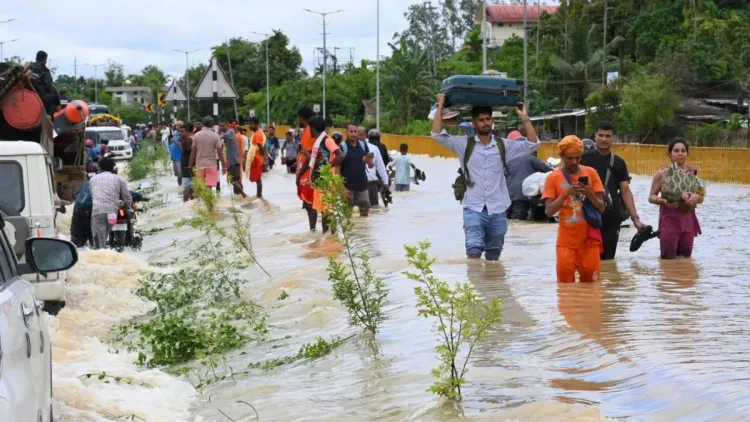
Assam Chief Minister Himanta Biswa Sarma on 20 July 2026 directed all MPs and MLAs from flood-affected districts to monitor the ground situation as rising water levels prompted the state government to intensify evacuation efforts and assure full administrative support to affected communities.
Key Takeaways
CM Himanta Biswa Sarma has directed all MPs and MLAs in flood-hit districts to remain on the ground and closely monitor the situation.
The Chief Minister stated he is in 'constant touch' with all public representatives and has assured 'all possible assistance' from the Government of Assam .
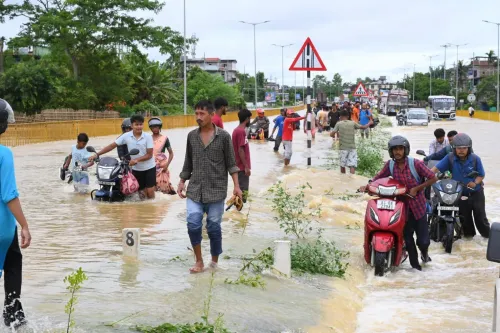
Water levels are rising as rains continue, prompting the state to reinforce efforts to shift people to safer locations.
The deployment of elected representatives as ground monitors reflects Assam 's decentralised disaster-management approach, supported by the ASDMA .
The situation is still evolving, with further central assistance requests and relief camp updates expected in the coming days.
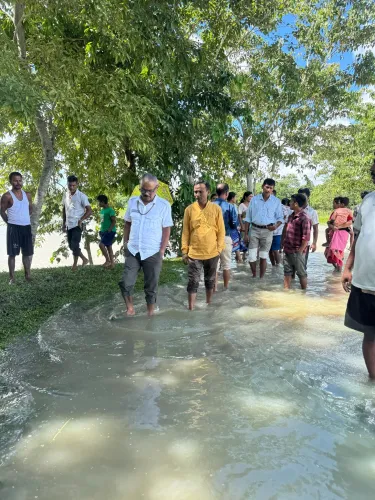
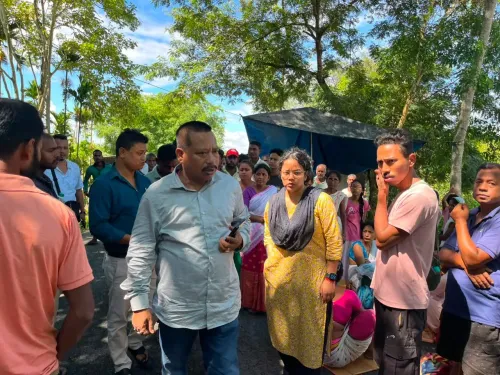
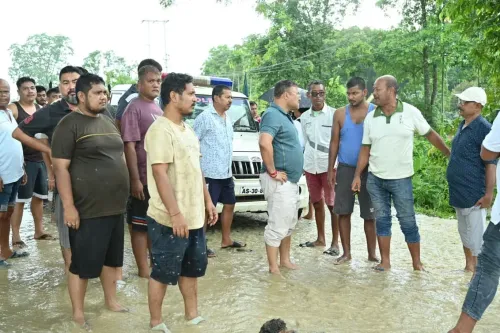
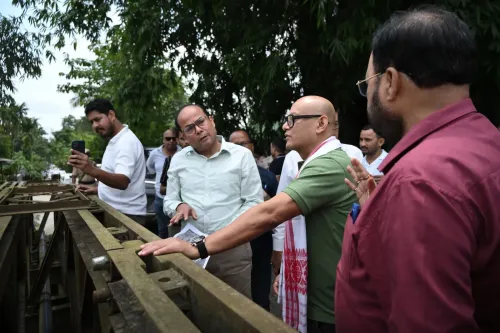
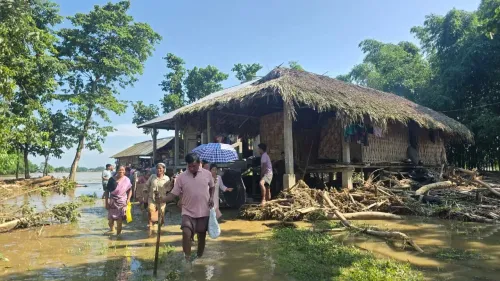
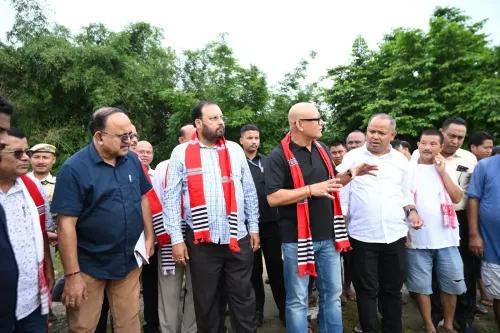
Assam Chief Minister Himanta Biswa Sarma on Monday, 20 July 2026, directed all Members of Parliament and Members of the Legislative Assembly from flood-affected districts to remain on the ground and closely monitor the deteriorating situation as rising water levels continued to threaten communities across the state.
Context
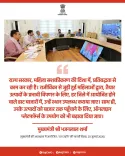
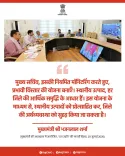
In a post on X, CM Sarma stated that he is 'in constant touch with all the public representatives' and has 'assured all possible assistance from Govt of Assam to deal with this situation.' He added that efforts are being reinforced 'to shift people to safer places and provide them with all necessary support' as rains continue and water levels rise.
The directive reflects the urgency of a situation that is still evolving, with the Chief Minister personally coordinating with elected representatives at the district level to ensure no gap in ground-level response.
Policy Backdrop
Assam is one of India's most flood-prone states, with the Brahmaputra river and its numerous tributaries inundating large swathes of the state almost every monsoon season. The Assam State Disaster Management Authority (ASDMA), operational since the early 2000s, serves as the nodal body for flood preparedness, evacuation coordination, and relief distribution.
Deploying MPs and MLAs as frontline monitors is a well-established practice in the state's decentralised disaster-management framework. These elected representatives act as the critical link between the administration and affected communities, helping identify vulnerable pockets and expedite relief. Central agencies such as the National Disaster Response Force (NDRF) typically work alongside state machinery during such events.
Stakeholders and Impact
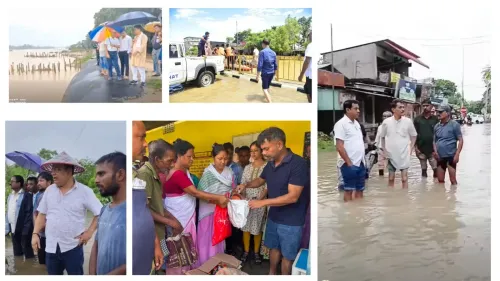
The most immediate stakeholders are the residents of flood-affected districts, many of whom face displacement, loss of livestock, and damage to standing crops and homes. Rapid evacuation and the establishment of functional relief camps are the administration's primary obligations in such scenarios.
Local elected representatives — both MPs and MLAs — are now formally tasked with on-ground monitoring, making them directly accountable for the speed and quality of relief delivery in their constituencies. The Government of Assam has assured 'all possible assistance,' signalling that state resources are being mobilised without waiting for formal central requests.
What's Next
With water levels still rising as of 20 July 2026, the state administration is expected to continue evacuation operations and expand the network of relief camps. Embankment breaches, if any, will require urgent repair to prevent further inundation of agricultural land and settlements.
Observers will watch for formal requests to the Union Government for additional NDRF teams or central financial assistance under the State Disaster Response Fund framework. Longer-term, the crisis is likely to revive legislative discussions on structural flood-mitigation investments in Assam and the broader northeastern region.
Point of View
The Chief Minister distributes both responsibility and visibility — a tactic that can accelerate relief but also exposes legislators to public scrutiny if delivery falls short. This fits a broader pattern in BJP-governed states of using party and legislative networks to supplement bureaucratic channels during disasters. The longer-term test remains whether this annual mobilisation translates into durable investment in flood infrastructure or remains a reactive, seasonal exercise.
NationPress
21 Jul 2026
Frequently Asked Questions
What action has Assam CM Himanta Biswa Sarma taken regarding the 2026 floods?
CM Himanta Biswa Sarma has directed all MPs and MLAs from flood-affected districts to stay on the ground and monitor the situation closely, while assuring all possible state government assistance for relief and evacuation.
Which river causes most of Assam's annual flooding?
The Brahmaputra river and its numerous tributaries are the primary cause of Assam's recurrent monsoon flooding, which displaces thousands of residents almost every year.
What is the ASDMA and what role does it play in Assam floods?
The Assam State Disaster Management Authority (ASDMA) is the state's nodal disaster-response body, coordinating flood preparedness, evacuation logistics, and relief distribution, often working alongside central agencies like the NDRF.
Why are MLAs and MPs asked to monitor floods in Assam?
Elected representatives serve as a critical link between the administration and affected communities in Assam's decentralised disaster-management framework, helping identify vulnerable areas and expedite relief at the constituency level.
What assistance can Assam seek from the central government during floods?
The state can formally request additional NDRF teams and central financial assistance under the State Disaster Response Fund (SDRF) framework if the scale of the disaster exceeds state capacity.