CM Himanta Deploys NDRF for Assam Flood Relief
Synopsis
Assam Chief Minister Himanta Biswa Sarma announced on 20 July 2026 that NDRF personnel are deployed across flood-hit areas of Assam, working alongside district administrations to deliver relief and rehabilitation support to affected communities during the monsoon season.
Key Takeaways
Assam CM Himanta Biswa Sarma confirmed active NDRF deployment for flood relief on 20 July 2026 .
NDRF jawans are operating in coordination with district administrations to reach flood-affected residents.
Operations cover both rescue and rehabilitation, indicating the emergency is in an active phase.
The NDRF has been routinely deployed to Assam during monsoon floods since at least 2008–09 under the Disaster Management Act, 2005 .
Assam faces recurrent annual flooding from the Brahmaputra river system, affecting large rural populations.
Long-term measures such as embankment reinforcement and dredging remain on the policy watch-list for the remainder of the monsoon season.
Assam Chief Minister Himanta Biswa Sarma on Monday, 20 July 2026, announced that National Disaster Response Force (NDRF) personnel are conducting active relief and rehabilitation operations across flood-affected areas of Assam in coordination with district administrations.
Context
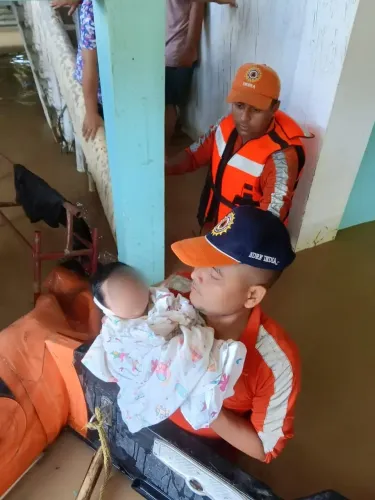
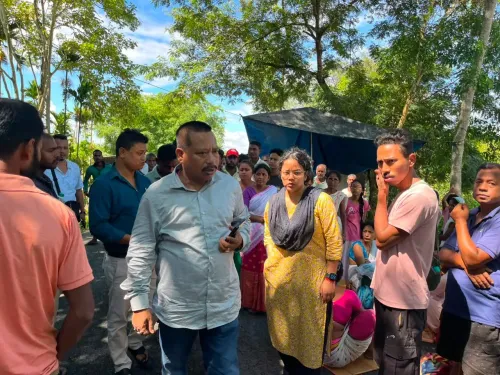
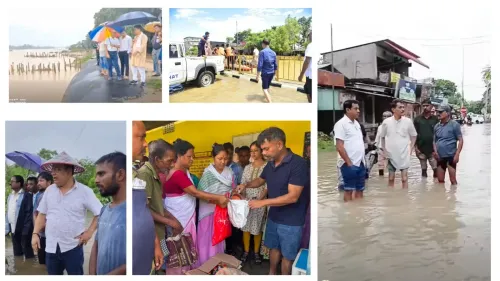
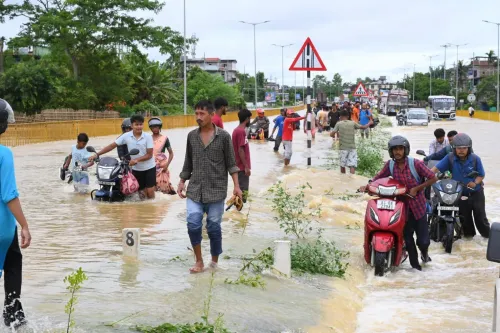
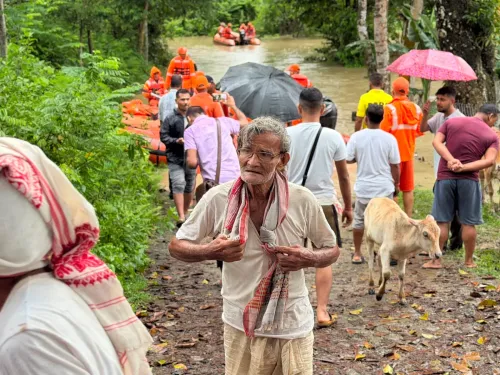
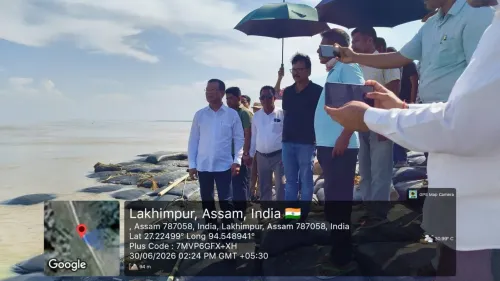
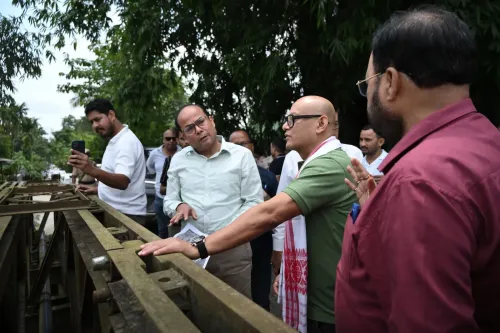
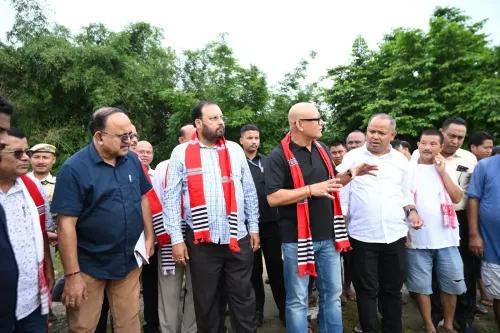
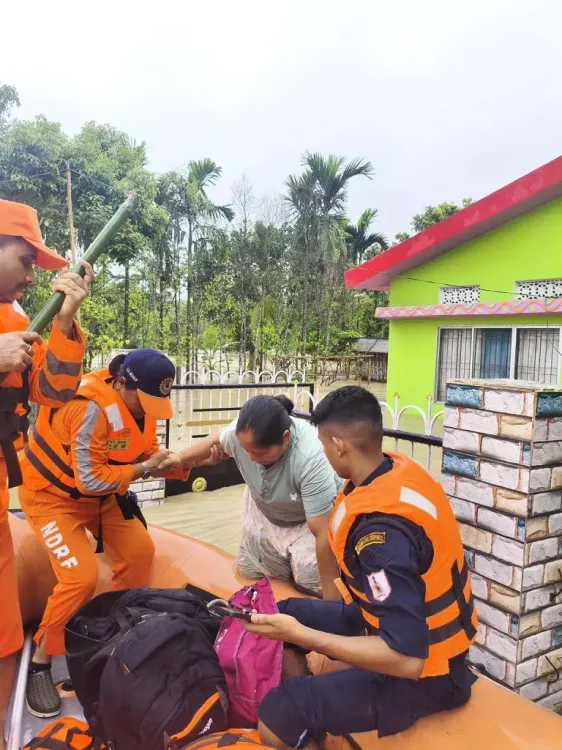
Sarma posted on X that 'our NDRF jawans are reaching out to all those affected by the floods and providing all relief and rehabilitation support' — an indication that the state machinery has been fully mobilised for the ongoing monsoon emergency. The post was accompanied by four images documenting ground-level rescue and relief efforts.
Assam is one of India's most flood-prone states, with the Brahmaputra river and its tributaries regularly inundating vast stretches of agricultural and residential land during the monsoon season, displacing rural communities every year.
Policy Backdrop
The NDRF was constituted under the Disaster Management Act, 2005 as India's dedicated specialist force for natural-calamity response. Its battalions have been deployed to Assam during monsoon floods consistently since at least 2008–09, making this coordination a well-established institutional practice.
Under the current BJP-led state government, which took office in May 2021, Assam has maintained annual pre-monsoon coordination protocols between district administrations and central forces. The emphasis on inter-agency cooperation — explicitly referenced in Sarma's post — reflects this standing framework rather than an ad hoc response.
Stakeholders and Impact
The primary beneficiaries of the ongoing operations are flood-affected residents and rural communities spread across multiple districts of Assam. NDRF teams provide specialist capabilities including boat-based evacuations, medical first aid, and distribution of essential relief material that complement the logistical reach of district administrations.
For the broader North-East region, the visible deployment of central forces signals the Union government's active partnership with the state — a dynamic that Sarma, as convenor of the North-East Democratic Alliance (NEDA), has consistently highlighted as a governance priority.
What's Next
Attention will now turn to the scale of any central assistance package and possible cabinet decisions on long-term infrastructure measures such as embankment reinforcement or dredging projects along the Brahmaputra system before the close of the 2026 monsoon season.
As waters recede, the state government is expected to undertake damage assessments and announce rehabilitation support for affected households — a standard post-flood sequence that district administrations typically initiate in coordination with the State Disaster Management Authority.
Point of View
The messaging also carries a regional dimension, projecting Assam as a model of disaster preparedness for the broader North-East. The broader policy arc, however, points to an unresolved tension: annual flood relief operations are necessary but insufficient substitutes for structural interventions like embankment upgrades and river management.
NationPress
21 Jul 2026
Frequently Asked Questions
Why is NDRF deployed in Assam in July 2026?
NDRF has been deployed in Assam in July 2026 to assist flood-affected communities, with teams conducting rescue, evacuation, and rehabilitation operations alongside district administrations during the monsoon season.
Who is Himanta Biswa Sarma?
Himanta Biswa Sarma is the Chief Minister of Assam since May 2021 and a senior BJP leader. He also serves as convenor of the North-East Democratic Alliance (NEDA) .
What does NDRF do during Assam floods?
The NDRF provides specialist disaster response including boat-based evacuations, medical first aid, and distribution of relief material. It works under the Disaster Management Act, 2005 and coordinates with state and district authorities.
How often does Assam face floods?
Assam experiences recurrent annual flooding, primarily driven by the Brahmaputra river and its tributaries during the monsoon season, displacing large rural populations almost every year.
What long-term solutions exist for Assam floods?
Policy discussions around long-term flood mitigation in Assam centre on embankment reinforcement, dredging of the Brahmaputra , and improved river management — measures that successive governments have debated but not fully implemented.