CM Himanta Flags Cachar Police Drug Bust: 10,000 Yaba Tablets Seized
Synopsis
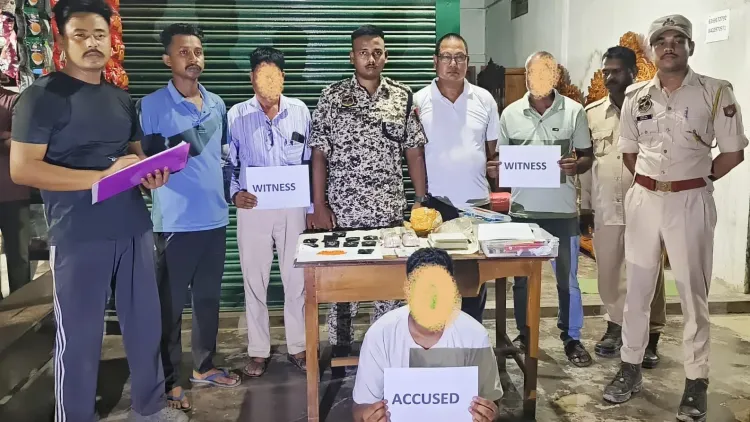
Assam CM Himanta Biswa Sarma on 29 June 2026 commended Cachar Police for seizing 10,000 YABA tablets worth ₹1 crore from a furniture shop used as a drug front, with one arrested — the second major bust in 24 hours under the state's ongoing anti-drug campaign.
Key Takeaways
10,000 YABA tablets worth approximately ₹1 crore were recovered by Cachar Police in an intelligence-backed operation on 29 June 2026 .
The drugs were concealed inside a furniture shop used as a front for drug trafficking.
One accused was apprehended in connection with the seizure.
The bust came just 24 hours after another major drug catch by Assam Police, highlighting a sustained enforcement tempo.
Assam CM Himanta Biswa Sarma publicly lauded the operation under the state's #AssamAgainstDrugs campaign.
Cachar district is a known transit corridor for YABA smuggled from Myanmar through the northeastern frontier.
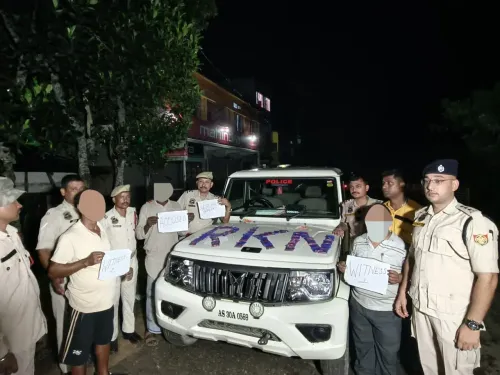
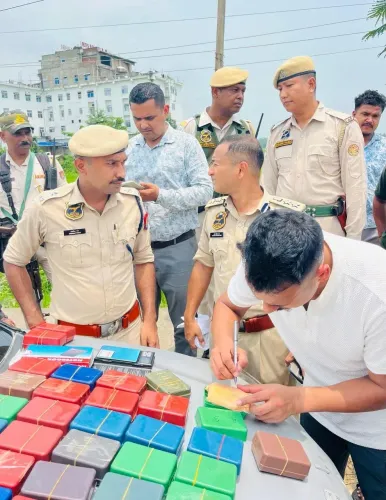
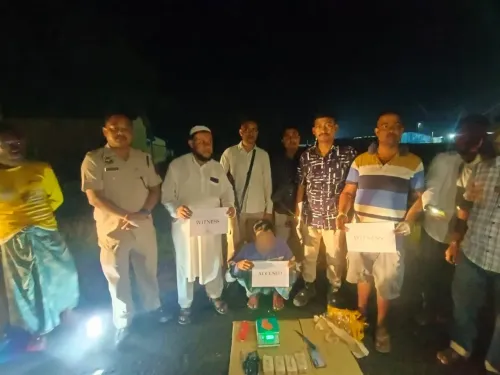
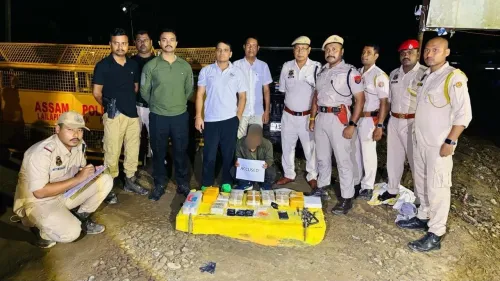
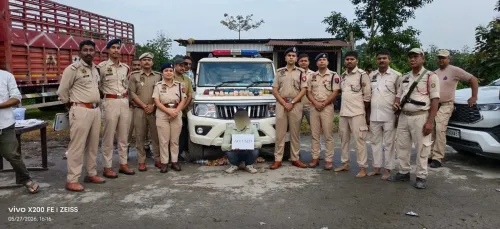
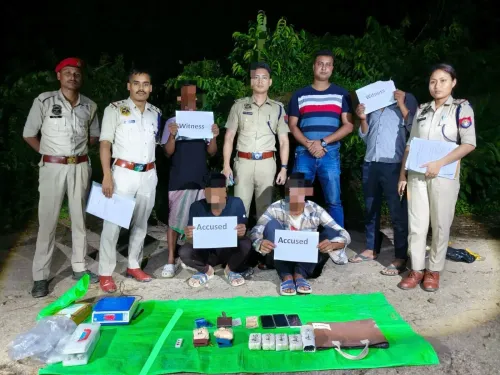
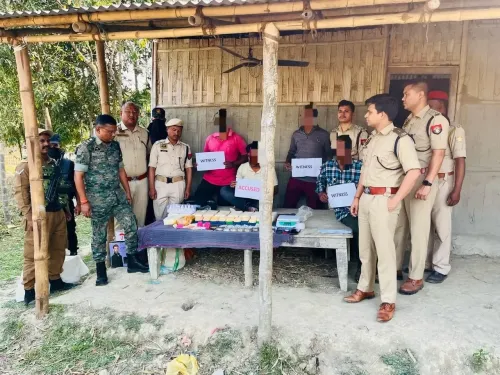
Assam Chief Minister Himanta Biswa Sarma on Monday, 29 June 2026, lauded Cachar Police after an intelligence-backed operation led to the recovery of 10,000 YABA tablets worth approximately ₹1 crore from a furniture shop used as a front for drug trafficking, with one accused arrested.
What Happened
The Chief Minister took to X (formerly Twitter) to highlight the seizure, noting it came 'just 24 hours after a big catch' — underscoring the pace at which Assam Police is dismantling drug networks in the state. The drugs were stashed inside a clandestine unit disguised as a furniture shop, a concealment tactic increasingly used by traffickers to evade detection.
Cachar district, located in southern Assam and sharing a border with Mizoram and Manipur, has long been identified as a transit corridor for YABA tablets smuggled from Myanmar through the porous northeastern frontier. The recovery of 10,000 tablets in a single operation signals a significant intelligence breakthrough for the district unit.
Context: YABA and the Northeast Drug Route
YABA — a combination of methamphetamine and caffeine — is manufactured primarily in Myanmar's Shan State and has flooded northeastern India over the past decade. The tablets, often pill-sized and brightly coloured, are smuggled across the India-Myanmar border and distributed through Assam into the rest of the country. A single tablet typically retails on the street for ₹100 to ₹200, making a cache of 10,000 tablets a substantial consignment by any measure.
Assam Police has been running sustained anti-narcotics drives under the state government's #AssamAgainstDrugs campaign, which has resulted in hundreds of arrests and crores worth of contraband seizures over the past few years. The use of commercial establishments as cover for drug storage is a recurring pattern that enforcement agencies have been working to counter through informant networks and targeted intelligence.
Policy Backdrop
Chief Minister Sarma has repeatedly stated that the fight against drugs is a top governance priority for his administration, framing it as both a law-and-order and a public-health imperative. The state government has directed district-level police units to act on intelligence inputs without delay, and has publicly acknowledged successful operations as a way to maintain pressure on trafficking networks.
The back-to-back busts — one the previous day and now this operation by Cachar Police — reflect a coordinated enforcement tempo rather than isolated incidents. The Chief Minister's public commendation of the district unit serves a dual purpose: recognising field officers and signalling to traffickers that the state's surveillance network is active and responsive.
What's Next
Investigators are expected to interrogate the arrested accused to trace the supply chain upstream — identifying the source of the consignment, the distribution network, and any other storage locations operating under commercial covers. Cachar Police is likely to continue operations in the district given the intelligence momentum established by consecutive seizures.
With the #AssamAgainstDrugs campaign showing no signs of easing, enforcement pressure along the southern Assam corridor is set to intensify. The broader implication is clear: as long as intelligence-backed operations continue to yield results at this pace, trafficking networks operating through the state face mounting operational risk.
Point of View
Intelligence-driven enforcement cycle that Assam Police has been building through informant networks along the southern corridor. CM Sarma's rapid public acknowledgement of each operation is a deliberate political and operational signal: it rewards field units, sustains public visibility of the campaign, and raises the reputational cost for traffickers operating in the open. The use of commercial establishments as drug fronts suggests trafficking networks are adapting to earlier crackdowns, but the back-to-back breaches of those covers indicate that enforcement intelligence has kept pace. The broader arc here is Assam positioning itself as the enforcement bulwark against the Myanmar-origin YABA pipeline — a role with both internal governance and regional security dimensions.
NationPress
29 Jun 2026
Frequently Asked Questions
What were the YABA tablets seized by Cachar Police worth?
The 10,000 YABA tablets seized by Cachar Police on 29 June 2026 were worth approximately ₹1 crore , according to Assam Chief Minister Himanta Biswa Sarma's post on X.
Where were the YABA tablets hidden in the Cachar drug bust?
The tablets were hidden inside a clandestine unit disguised as a furniture shop in Cachar district , Assam, which was being used as a front for drug trafficking.
What is YABA and where does it come from?
YABA is a tablet combining methamphetamine and caffeine, manufactured primarily in Myanmar's Shan State . It is smuggled across the India-Myanmar border and trafficked through northeastern states including Assam.
What is the Assam Against Drugs campaign?
#AssamAgainstDrugs is an ongoing anti-narcotics initiative by the Assam state government under CM Himanta Biswa Sarma , directing police units to conduct sustained operations against drug trafficking networks across the state.
How many drug busts did Assam Police conduct in 24 hours around 29 June 2026?
At least two major drug seizures were carried out by Assam Police within a 24-hour window around 29 June 2026 , with the Cachar operation being the second, as noted by CM Sarma in his post.