CM Himanta Flags Manas Park's 50+ Rhinos, Zero Poaching Streak
Synopsis
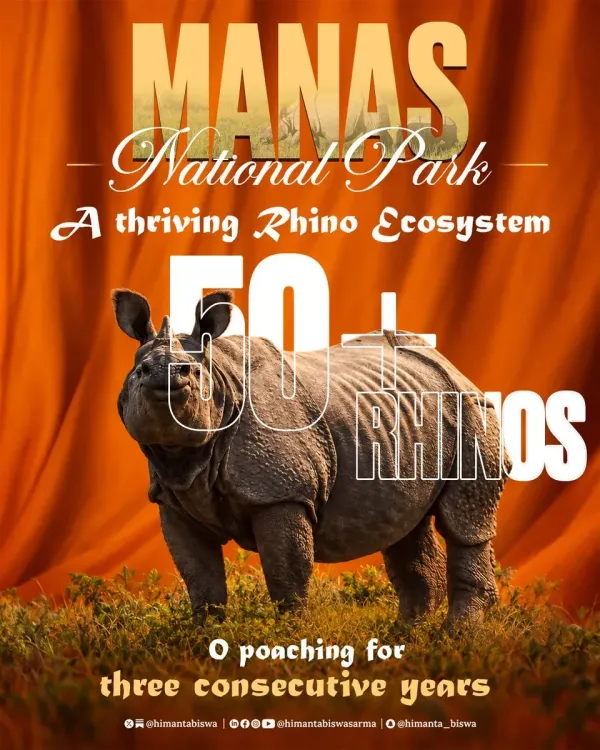
Assam CM Himanta Biswa Sarma marks the October reopening of Manas National Park by highlighting its remarkable recovery: from zero rhinos to 50-plus, backed by three consecutive years without a single poaching incident.
Key Takeaways
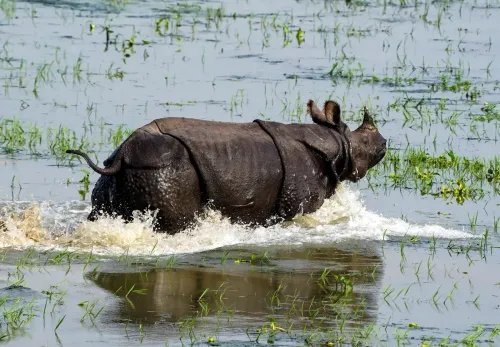
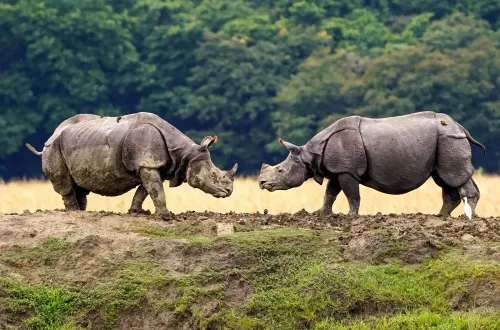
Manas National Park once had zero rhinos; it now shelters more than 50 individuals following sustained reintroduction and protection efforts.
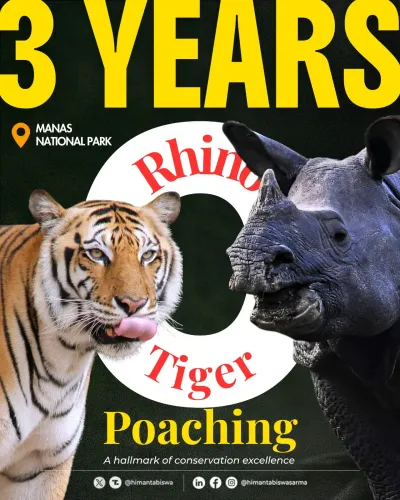
The park has recorded three consecutive years of zero rhino poaching — a landmark in Assam's conservation calendar.
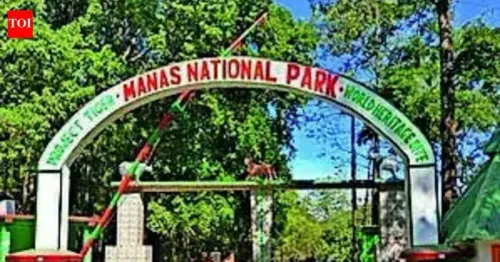
Manas reopens to visitors every October after the monsoon season, with the 2026 season now officially open.
The park holds UNESCO World Heritage and Project Tiger reserve status, yet remains less visited than Kaziranga — part of its 'underrated gem' appeal.
CM Himanta Biswa Sarma is using the milestone to actively promote wildlife tourism as a complement to conservation financing in Assam.
From a population of zero to more than fifty — the rhinoceros comeback at Manas National Park is one of Indian conservation's most quietly dramatic reversals, and Assam Chief Minister Himanta Biswa Sarma is making sure the world knows it as the park throws open its gates this October 2026.
From Zero to Fifty: The Rhino Turnaround Inside Manas
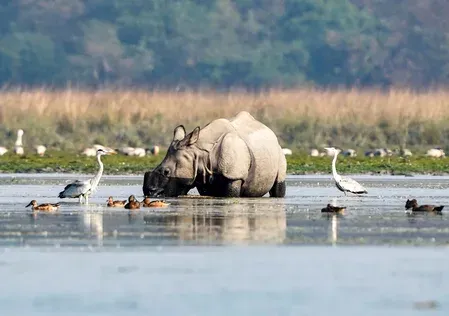
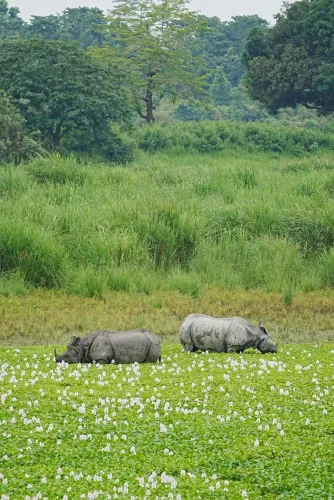
Manas National Park, straddling the foothills of the Bhutan border in western Assam, once held the grim distinction of having no rhinoceroses at all. Decades of insurgency and poaching pressure had wiped the species out locally — a fact that sat uneasily beside the park's status as both a UNESCO World Heritage Site and a Project Tiger reserve. The turnaround began through intensive translocations and community-led protection, with rhinos gradually reintroduced from other Assam sanctuaries. Today, the herd stands at more than 50 individuals, a milestone that once seemed impossible.
Equally striking is the three consecutive years of zero rhino poaching inside the park — a record that demands attention when set against the broader challenge of protecting one-horned rhinos across northeast India. The statistic is not a footnote; it is evidence of a protection model that is working.
An 'Underrated Gem' Gets Its October Moment
Manas has long lived in the shadow of Kaziranga National Park, Assam's better-known rhino fortress. Yet Manas offers something distinct: a wilder, less-trafficked landscape where tigers, elephants, golden langurs, and wild water buffalo share the riverine grasslands with the returning rhinos. The park follows a seasonal access pattern, reopening each October after the monsoon closes the terrain, making this month the formal start of its visitor season.
CM Sarma's post frames the reopening as an open invitation — 'come discover a wilderness you'll cherish forever' — leaning into wildlife tourism as both a conservation incentive and an economic driver for the region. Visitor revenue, when channelled back into protection infrastructure, has been a critical pillar of Assam's conservation financing.
Why the Zero-Poaching Streak Matters Beyond Assam
India's one-horned rhinoceros population — concentrated almost entirely in Assam — remains on the IUCN vulnerable list. Every poaching incident anywhere in the state is a setback to a globally watched recovery. Three clean years at Manas is therefore not just a local headline; it is a data point with international weight, signalling that the right mix of community engagement, anti-poaching deployment, and political will can hold the line even in a park that was once considered too conflict-prone to protect effectively.
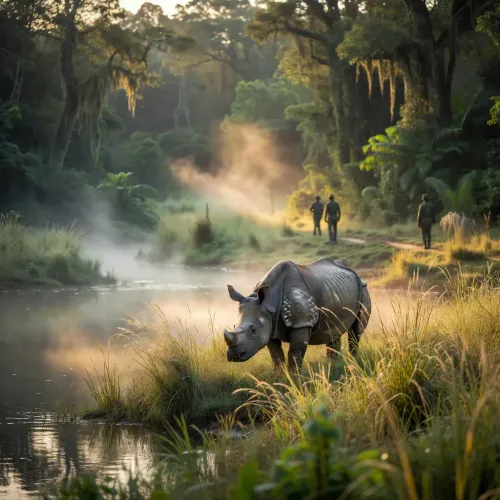
As the forest trails of Manas reopen on 1 October 2026, the rhinos grazing along the Manas River are the most vivid proof that second chances in conservation are real — and, when seized hard enough, they last.
Point of View
A park long overshadowed by Kaziranga and historically associated with insurgency-era conservation failures. By anchoring the message in hard numbers — 50-plus rhinos, three poaching-free years — he links state governance credibility directly to a wildlife metric that resonates internationally. The timing at the start of the tourist season also signals a push to diversify Assam's tourism identity beyond the single Kaziranga brand. If the zero-poaching streak holds and visitor numbers grow, Manas could become a flagship argument for the BJP government's northeast development and ecology narrative ahead of future electoral cycles.
NationPress
1 Oct 2026
Frequently Asked Questions
How many rhinos are in Manas National Park in 2026?
Manas National Park now has more than 50 one-horned rhinoceroses , a dramatic recovery from a period when the park had no rhinos at all due to poaching and insurgency.
When does Manas National Park reopen after monsoon?
Manas National Park reopens every October after the monsoon season closes the terrain. The 2026 season opened on 1 October .
Is there rhino poaching in Manas National Park?
There has been zero rhino poaching in Manas National Park for three consecutive years , according to Assam CM Himanta Biswa Sarma.
What is special about Manas National Park?
Manas is both a UNESCO World Heritage Site and a Project Tiger reserve, known for its diverse wildlife including tigers, elephants, golden langurs, and one-horned rhinos along the Bhutan border in western Assam.
What animals can you see at Manas National Park?
Manas is home to one-horned rhinoceroses, tigers, elephants, golden langurs , and wild water buffalo , set across riverine grasslands along the Manas River near the Bhutan foothills.