CM Himanta Hands Over Grants to 50 Bodies in Jalukbari
Synopsis
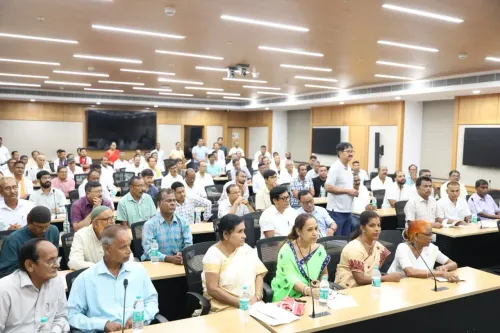
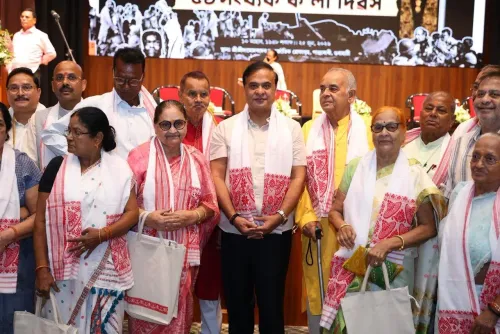
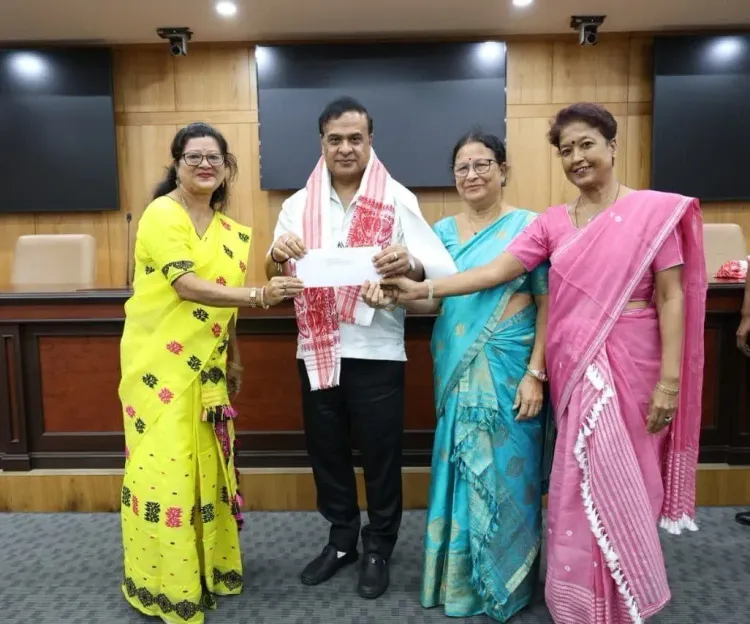
Chief Minister Dr. Himanta Biswa Sarma on 13 July 2026 handed over sanction letters to nearly 50 socio-cultural and educational institutions in Jalukbari Assembly Constituency, Guwahati, for development works and community initiatives, continuing the Assam government's constituency-level grant disbursement programme.
Key Takeaways
Nearly 50 institutions in Jalukbari Assembly Constituency received sanction letters from CM Himanta Biswa Sarma on 13 July 2026 .
The grants cover both socio-cultural and educational institutions for development works and community initiatives.
Jalukbari is located in Guwahati , Assam's commercial capital, making the disbursement politically and administratively significant.
The Assam government has periodically run constituency-level grant programmes since May 2021 under the BJP-led administration .
Implementation timelines and fund-release schedules for the sanctioned projects remain to be confirmed by the government.
Similar disbursements in other Assam constituencies during the current financial year could signal a state-wide expansion of the programme.
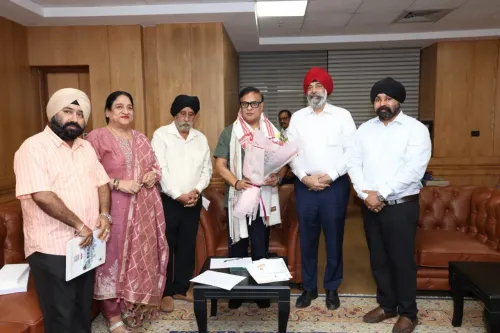
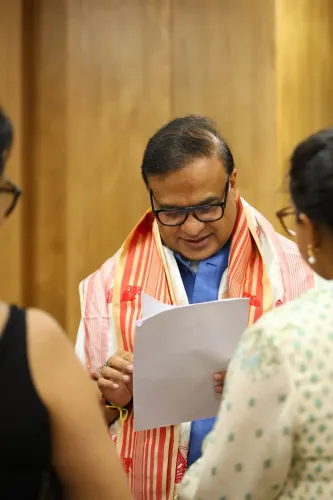
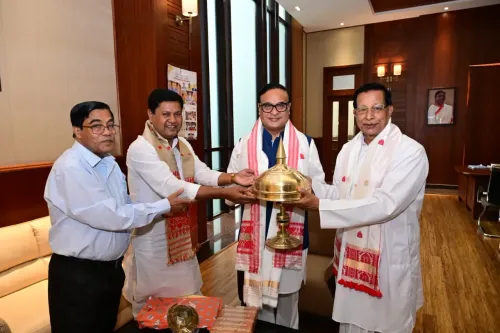
The Chief Minister's Office of Assam announced on Monday, 13 July 2026 that Chief Minister Dr. Himanta Biswa Sarma personally handed over sanction letters to nearly 50 socio-cultural and educational institutions of Jalukbari Assembly Constituency for various development works and community initiatives.
Context
Jalukbari, a legislative constituency situated in Guwahati, the commercial capital of Assam, has historically been a recipient of targeted state grants directed at local infrastructure and community bodies. The constituency holds political significance as it falls within the broader Guwahati urban agglomeration, making institutional development there a visible signal of the state government's priorities.
The sanction letters cover 'various development works and community initiatives,' as stated in the official post, spanning both the educational and socio-cultural sectors. The direct handover by the Chief Minister — rather than through departmental channels — underscores the administration's preference for visible, constituency-level engagement.
Policy Backdrop
Since Dr. Himanta Biswa Sarma assumed office in May 2021, the Assam government has periodically disbursed sanction letters and grants to educational and socio-cultural bodies under constituency-level development initiatives. The practice draws on a long-standing mechanism in Assam governance whereby MLA- and CM-level discretionary allocations support local institutions across the Brahmaputra valley.
The present BJP-led administration has placed particular emphasis on education and cultural preservation as twin pillars of its constituency outreach. Periodic grant disbursements to registered community bodies form a routine but politically visible part of this approach, reinforcing ties between the state government and grassroots organisations.
Stakeholders and Impact
The immediate beneficiaries are the nearly 50 socio-cultural and educational institutions of Jalukbari that received sanction letters. These organisations — ranging from community cultural clubs to registered educational societies — will be able to initiate development and programme work once funds are released against the sanctioned amounts.
Residents of Jalukbari stand to benefit from improved institutional infrastructure and expanded community programmes. For the broader civil-society ecosystem in Guwahati, the disbursement signals continued state support for grassroots cultural and educational activity, which advocates argue is essential to preserving the region's diverse heritage.
What's Next
Attention will now turn to the implementation status of the sanctioned projects — specifically, how swiftly funds are released and whether the institutions can operationalise their development plans within the current financial year. Transparency in utilisation reporting will be key to assessing the on-ground impact of the disbursement.
Observers will also watch whether the Assam government replicates similar grant-disbursement exercises in other constituencies across the state during the remainder of the financial year, a pattern that would indicate a broader, systematic push rather than a constituency-specific intervention.
Point of View
The Chief Minister reinforces his image as an accessible, hands-on administrator — a brand he has cultivated since taking office in 2021. The focus on socio-cultural and educational bodies also aligns with the BJP's broader cultural-nationalism narrative, lending ideological coherence to what might otherwise appear a routine grant exercise. Whether these sanction letters translate into timely, verifiable ground-level impact will determine the programme's long-term credibility.
NationPress
12 Oct 2026
Frequently Asked Questions
What did CM Himanta Biswa Sarma hand over to Jalukbari institutions?
CM Himanta Biswa Sarma handed over sanction letters to nearly 50 socio-cultural and educational institutions of Jalukbari Assembly Constituency for development works and community initiatives on 13 July 2026 .
Where is Jalukbari Assembly Constituency located?
Jalukbari Assembly Constituency is located in Guwahati , the commercial capital of Assam , in northeast India.
What is the Assam government's constituency development grant programme?
The Assam government has, since 2021 , periodically disbursed sanction letters and grants to educational and socio-cultural bodies under constituency-level development initiatives, drawing on MLA- and CM-level discretionary funding mechanisms.
How many institutions received grants in Jalukbari?
Nearly 50 socio-cultural and educational institutions in Jalukbari received sanction letters during the event on 13 July 2026 .
What happens after sanction letters are issued in Assam?
After sanction letters are issued, the concerned institutions can initiate their development or community projects once funds are formally released by the relevant government department against the sanctioned amounts.