CM Himanta hails Orang Park's first 200-species butterfly survey
Synopsis
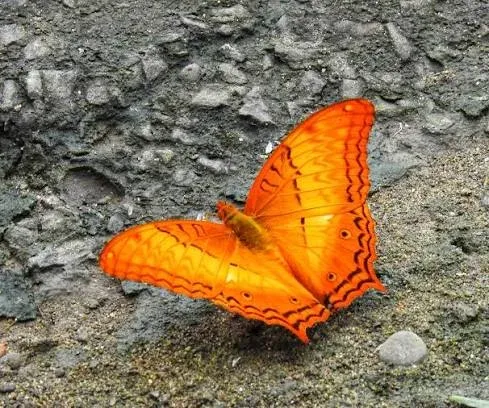
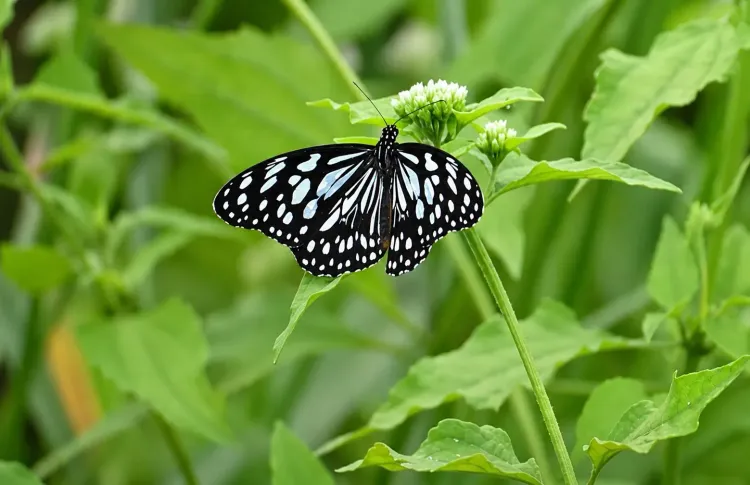
Assam Chief Minister Himanta Biswa Sarma said Orang National Park's first butterfly survey recorded over 200 species in two days. He called the count a reminder of Assam's biodiversity in the rhino-bearing floodplain park.
Key Takeaways
Assam Chief Minister Himanta Biswa Sarma on 26 November 2026 highlighted Orang National Park's first butterfly survey.
He said the survey recorded over 200 species in two days and drew nature enthusiasts to the park.
Orang National Park was a wildlife sanctuary from 1985 and became a national park in 1999 , known for greater one-horned rhinoceros and floodplain habitat.
Assam has also long showcased rhino landscapes such as Kaziranga and Manas as biodiversity strongholds.
A formal survey report and similar short counts in other Assam protected areas remain the next markers to watch.
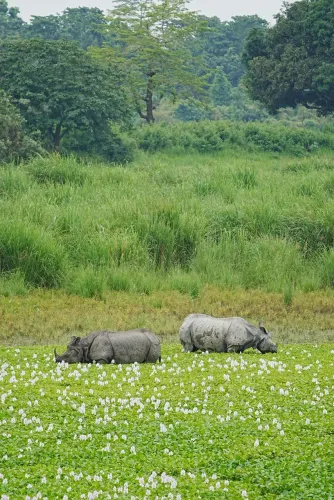
Assam's rhino country just put butterflies on the map. On 26 November 2026, Assam Chief Minister Himanta Biswa Sarma said the first-ever butterfly survey at Orang National Park had recorded over 200 species in two days, pulling nature enthusiasts into a floodplain better known for the greater one-horned rhinoceros.
In a post on X, Sarma wrote that Assam's natural treasures never cease to amaze, and that the count had brought enthusiasts together to discover the park's butterfly diversity. He called the result a delightful reminder of the rich biodiversity the state is home to.
Orang's first butterfly survey haul
According to the Chief Minister, the exercise was Orang's first dedicated butterfly survey and wrapped in just two days. The figure he cited — over 200 species — is the claim now in public view, pending any formal inventory the forest administration may later release.
The park sits on the north bank of the Brahmaputra in Assam, a landscape of grasslands, wetlands and riverine forest. It was notified as a wildlife sanctuary in 1985 and upgraded to national park status in 1999, mainly to lock in protection for rhinoceros habitat and floodplain ecology.
A rhino park's quieter biodiversity
Orang is often spoken of in the same breath as Assam's flagship rhino landscapes, including Kaziranga and Manas, both UNESCO World Heritage sites. Butterfly tallies rarely make that headline circuit. This one did, because a short, intensive search turned up a species list large enough to reframe what the park holds besides megafauna.
Assam governments have periodically flagged such documentation drives in protected areas, pairing conservation science with the quieter promise of eco-tourism. Faunal inventories in rhino-bearing parks sit inside a wider national wildlife-protection habit: count what you protect, then tell the public it is there.
Will other Assam parks get the same two-day lens?
What comes next is paperwork and replication. A published species list from the Assam Forest Department would turn a social-media milestone into a baseline scientists can cite. Similar short-duration assessments in other state protected areas would test whether Orang's haul was a local bloom or a statewide pattern waiting to be measured.
For now the political signal is simpler. Assam is putting its smaller fauna on the same stage as its rhinos — and asking the public to look closer.
Point of View
Not only rhinos. Short, high-visibility surveys help conservation agencies argue for attention and for eco-tourism without waiting for a multi-year monograph. The test is whether a species list follows, and whether other parks get the same treatment. Without a published inventory, the 200-plus figure remains a political snapshot rather than a scientific baseline.
NationPress
26 Nov 2026
Frequently Asked Questions
What did Assam CM Himanta Biswa Sarma say about Orang National Park?
He said the park's first butterfly survey recorded over 200 species in two days and called it a reminder of Assam's rich biodiversity. He also said the exercise brought nature enthusiasts together to discover the park's butterfly diversity.
Where is Orang National Park?
Orang National Park is a protected floodplain on the north bank of the Brahmaputra in Assam. It is known chiefly for greater one-horned rhinoceros habitat, grasslands and wetlands.
How many butterfly species did the Orang survey record?
Assam Chief Minister Himanta Biswa Sarma said the survey recorded over 200 species in two days. A formal published inventory from the forest administration has not been independently established in public records cited here.
When did Orang become a national park?
Orang was notified as a wildlife sanctuary in 1985 and upgraded to national park status in 1999. The upgrade was meant to strengthen protection of its rhinoceros habitat and floodplain ecology.
Why does a butterfly survey at Orang matter?
It shifts attention from Orang's famous rhinos to smaller fauna and supports conservation and eco-tourism messaging. Similar short biodiversity counts in other Assam parks would show whether the haul is a one-off or part of a wider documentation drive.