CM Himanta Launches NESFIC to Make Northeast India an Innovation Hub

Synopsis
Assam CM Dr Himanta Biswa Sarma has launched NESFIC, a new framework to position Northeast India as a technology and innovation hub. The initiative targets the region's startup and entrepreneurship ecosystem, with rollout details, funding, and partnerships still to be announced.
Key Takeaways
NESFIC is a new initiative unveiled by CM Dr Himanta Biswa Sarma on 26 September 2026 to make Northeast India an innovation hub.
The framework is aimed at Northeast startups and tech entrepreneurs across the region's eight states .
Sarma has led Assam's government since May 2021 , with technology and entrepreneurship as recurring policy priorities.
Exact funding mechanisms, partnerships, and implementation timelines for NESFIC are yet to be officially detailed.
The initiative aligns with broader national goals of inclusive development and bridging regional economic disparities.
Northeast India's geographic position near Southeast Asia and its young population are cited as key assets the initiative seeks to leverage.
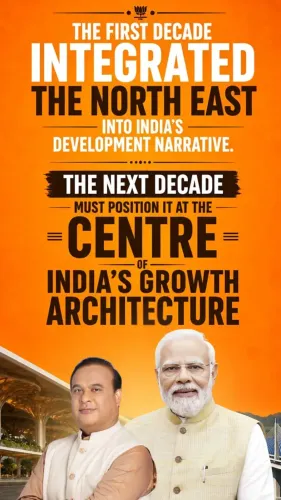
A new initiative is drawing a bold line under Northeast India's ambitions: Chief Minister Dr Himanta Biswa Sarma has unveiled NESFIC, a dedicated framework designed to transform the eight-state region into a thriving innovation and technology hub. The announcement, made on Saturday, 26 September 2026, signals Assam's intent to lead the Northeast's push from the periphery to the forefront of India's startup and entrepreneurship landscape.
What NESFIC Sets Out to Do
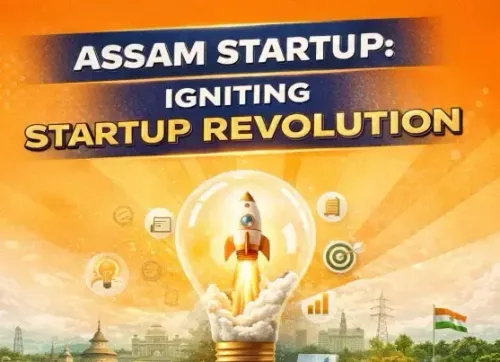
NESFIC is positioned as a structural intervention — not a one-off grant or a scheme rename — aimed at building an ecosystem that connects Northeast startups and tech entrepreneurs with capital, mentorship, and market access. While specific details of the rollout, funding mechanisms, and institutional partnerships are expected to be released as the initiative operationalises, the CMO's framing is unambiguous: the Northeast should no longer be treated as a frontier waiting to catch up, but as an innovation origin.
The unveiling follows a recognisable pattern in the Himanta Biswa Sarma-led Assam government's playbook. Since taking office in May 2021, the administration has pursued a string of economy-facing reforms — from investment summits to digital-infrastructure pushes — with technology entrepreneurship emerging as a consistent thread.
The Northeast's Larger Innovation Ambition
The eight states of the Northeast — Assam, Arunachal Pradesh, Manipur, Meghalaya, Mizoram, Nagaland, Sikkim, and Tripura — have long grappled with geographic isolation, limited industrial base, and connectivity deficits. NESFIC arrives as the region collectively tries to convert those challenges into leverage: proximity to Southeast Asia, a young demographic, and growing digital penetration are all assets that an innovation-focused framework could crystallise.
National priorities on inclusive development and bridging regional economic disparities have created a policy tailwind for exactly this kind of initiative. Whether NESFIC can translate ministerial ambition into on-ground startup momentum will depend critically on the funding architecture, the speed of implementation, and the private-sector partnerships it manages to anchor.
What Comes Next for NESFIC
The immediate questions now cluster around specifics: How will NESFIC be funded — state budget, central allocation, or blended finance? Which institutions will anchor its delivery? And crucially, what measurable targets will hold the initiative accountable over the next three to five years? Those rollout details, once announced, will determine whether NESFIC becomes a genuine structural shift or a well-branded aspiration.
For Northeast entrepreneurs watching closely, the launch is the beginning of a conversation — one that the Sarma government has now formally opened.
Point of View
A pattern that keeps the government in the news cycle while creating accountability pressure down the line. If NESFIC secures meaningful central funding and private partnerships, it could shift how New Delhi perceives Northeast states: not as aid recipients but as innovation contributors. The real test, as always, arrives in the execution.
NationPress
26 Sept 2026
Frequently Asked Questions
What is NESFIC launched by Assam CM Himanta Biswa Sarma?
NESFIC is a new initiative unveiled by Chief Minister Dr Himanta Biswa Sarma on 26 September 2026 to transform Northeast India into a technology and innovation hub, targeting startups and tech entrepreneurs across the region.
What does NESFIC stand for?
The full expansion of the NESFIC acronym has not been officially confirmed in publicly available details at the time of the launch announcement.
How will NESFIC benefit Northeast India startups?
NESFIC is designed to build an ecosystem connecting Northeast startups with capital, mentorship, and market access, though specific funding mechanisms and partnerships are expected to be detailed during rollout.
Which states does NESFIC cover?
The initiative targets all eight Northeastern states of India: Assam, Arunachal Pradesh, Manipur, Meghalaya, Mizoram, Nagaland, Sikkim, and Tripura.
When was NESFIC launched?
NESFIC was unveiled by Assam CM Dr Himanta Biswa Sarma on Saturday, 26 September 2026 , as announced by the Chief Minister's Office of Assam.