CM Himanta Reviews Assam Flood Situation, Pledges State Support
Synopsis
Assam Chief Minister Himanta Biswa Sarma reviewed flood conditions in the worst-affected areas on July 23, 2026, and pledged that the state government would stand by affected families and help them rebuild — reflecting the state's annual battle with Brahmaputra flooding.
Key Takeaways
CM Himanta Biswa Sarma personally reviewed flood conditions in the worst-affected areas of Assam on July 22-23, 2026 .
The Chief Minister pledged that the state government would help affected residents 'rebuild their lives,' describing the administration's role as that of a family member.
Assam faces recurrent monsoon flooding driven by the Brahmaputra River and its tributaries, displacing large numbers of people and damaging crops each year.
State flood management draws on a policy lineage dating to the 1950s , combining embankment projects with annual relief operations.
Key next steps include distribution of rehabilitation assistance and potential new central-state coordination on flood mitigation infrastructure.
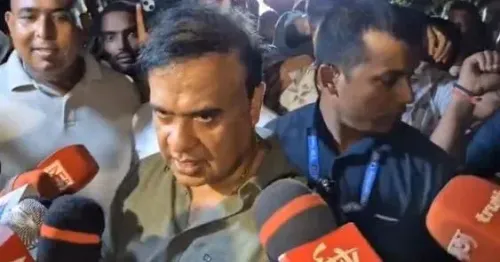
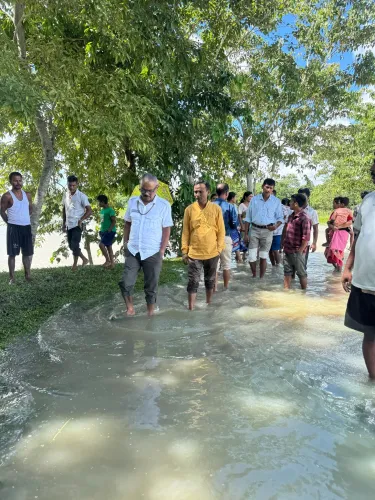
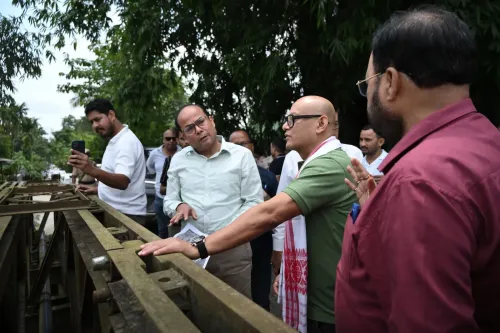
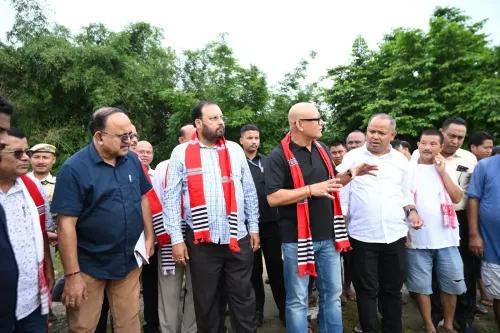
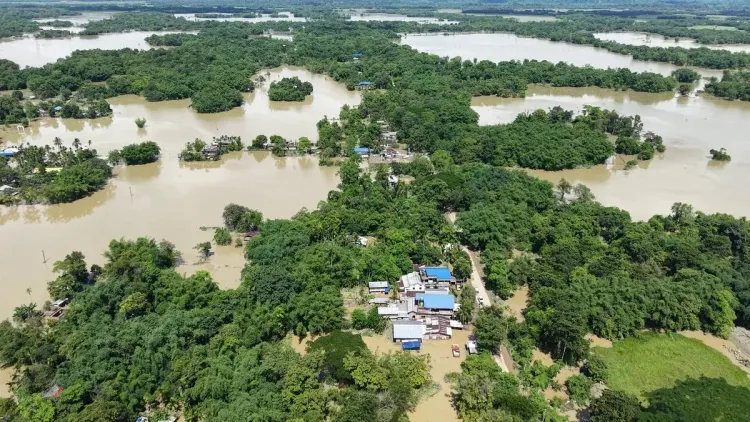
Assam Chief Minister Himanta Biswa Sarma on Thursday, July 23, 2026, said he had reviewed the flood situation in the worst-affected areas, reaffirming that his government would stand by the people through the crisis and help them rebuild their lives.
Context
Sarma posted on X that he had personally reviewed conditions in the areas hit hardest by flooding, stating: 'Our Govt stands with the people in this difficult time and we will help them rebuild their lives, standing by them as a member of their family.' The statement signals active executive-level attention to what is a recurring annual emergency in the state.
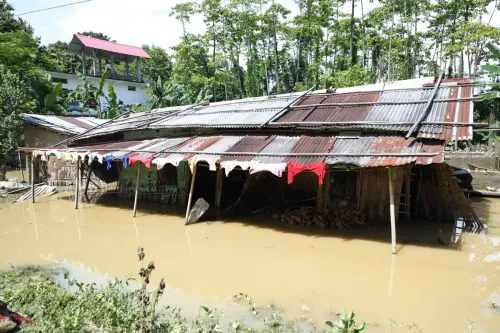
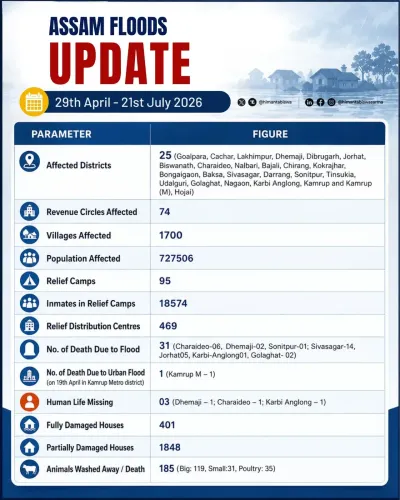
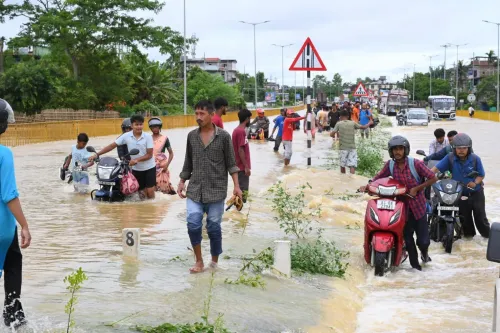
Assam is one of India's most flood-prone states, battered each monsoon season primarily by the Brahmaputra River and its tributaries. The floods displace hundreds of thousands of people, damage standing crops, and strain district-level administration every year.
Policy Backdrop
Flood management in Assam has a long institutional history, with embankment and drainage projects dating back to the 1950s and 1960s aimed at taming the Brahmaputra's seasonal fury. Successive state governments have combined immediate relief operations — food, shelter, and medical assistance — with longer-term infrastructure investments such as embankment reinforcement and early-warning systems.
The Sarma government, in office since May 2021, has continued this dual-track approach, coordinating with the National Disaster Management Authority (NDMA) and the Central Water Commission for both relief funding and mitigation planning. Upstream river dynamics, including flows from Bhutan and the Arunachal Pradesh highlands, add complexity that no single state-level intervention can fully resolve.
Stakeholders and Impact
The most immediate stakeholders are the flood-affected families in the worst-hit districts, who depend on timely government relief for food, temporary shelter, and eventual restoration of livelihoods. District administrations serve as the frontline delivery mechanism for relief materials and damage assessment.
Farmers face compounded losses as inundation damages kharif crops planted ahead of the harvest season, while small traders and daily-wage workers in low-lying areas lose income for weeks at a stretch. The Chief Minister's framing of the state as 'a member of their family' is a deliberate signal to affected communities that relief will not be limited to bureaucratic formality.
What's Next
Attention will now turn to the pace and reach of rehabilitation assistance — whether compensation and reconstruction support reaches affected households before the monsoon season intensifies further. Any new central-state coordination on flood mitigation infrastructure, including embankment repairs or dredging proposals, will be closely watched.
The remaining monsoon weeks will test the administration's logistical capacity, and the government's flood-response record is likely to feature in political discourse ahead of the next state budget cycle. Sarma's personal review visit raises the political stakes for delivery on the ground.
Point of View
But the personal 'family member' framing elevates the messaging beyond routine bureaucratic assurance — signalling an intent to own the relief narrative directly. Assam's annual flood crisis is both a humanitarian emergency and a perennial governance test; how swiftly compensation and reconstruction reach affected households will determine whether the rhetoric translates into political capital. The post also reinforces Sarma's image as a hands-on administrator, a brand he has cultivated since taking office in 2021. Broader questions around upstream river management and long-term mitigation funding, however, remain structurally unresolved and will resurface with the next monsoon.
NationPress
23 Jul 2026
Frequently Asked Questions
Which areas did CM Himanta Biswa Sarma visit during the Assam flood review?
CM Sarma stated he reviewed the flood situation in the 'worst affected areas' of Assam, though specific district names were not mentioned in his post.
Why does Assam flood every year?
Assam floods annually due to heavy monsoon rainfall and the overflow of the Brahmaputra River and its tributaries, compounded by upstream flows from Bhutan and Arunachal Pradesh that the state cannot fully control.
What relief is the Assam government providing to flood victims in 2026?
CM Sarma has pledged government support to help affected families rebuild their lives, with district administrations serving as the frontline for relief distribution; specific package details had not been announced in this post.
What is Himanta Biswa Sarma's role in Assam flood management?
As Chief Minister since May 2021, Himanta Biswa Sarma heads the state government's disaster response, coordinating with central agencies like the NDMA and overseeing both immediate relief and longer-term flood mitigation efforts.
How long has Assam been dealing with Brahmaputra flooding?
Assam has faced recurrent Brahmaputra flooding since before independence; formal embankment and drainage projects to manage the river began in the 1950s and 1960s, yet seasonal flooding remains a persistent challenge.