CM Himanta visits Tata Semiconductor facility in Jagiroad

Synopsis
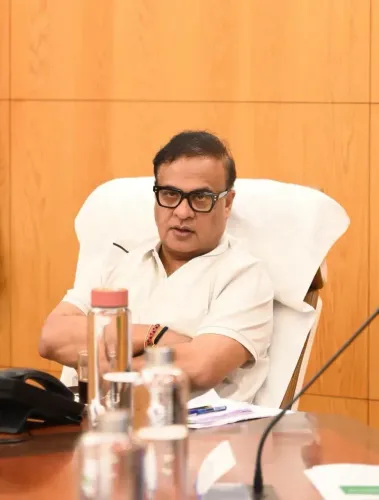
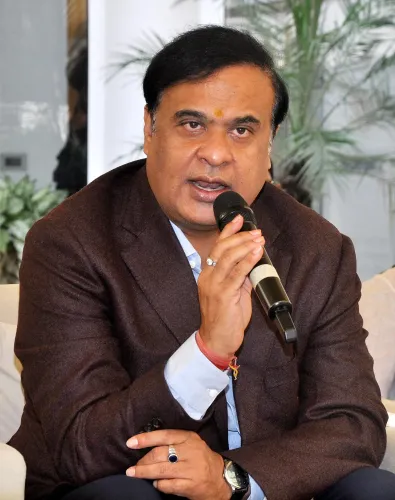
Assam Chief Minister Himanta Biswa Sarma visited the Tata Semiconductor facility in Jagiroad, Morigaon district, highlighting the state's effort to foster scientific thinking among youth through institutions and programmes aligned with India's semiconductor mission.
Key Takeaways
Assam CM Himanta Biswa Sarma visited the Tata Semiconductor facility in Jagiroad, Morigaon district on 26 May 2026 .
The facility is being established under the India Semiconductor Mission , launched in 2021 to build domestic chip assembly and testing capacity.
Assam and Tata Electronics signed an agreement in 2024 to set up the semiconductor assembly and testing unit at Jagiroad.
Sarma stated that Assam is building institutions and programmes to help the next generation develop scientific thinking.
The project marks a sectoral shift for Assam, traditionally reliant on oil, tea, and hydropower , toward electronics manufacturing.
The plant's commissioning timeline and linked STEM skilling programmes remain key milestones to watch.
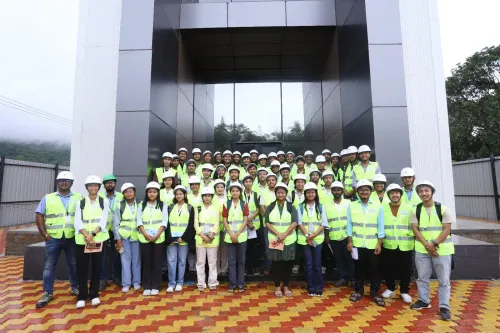
Assam Chief Minister Himanta Biswa Sarma visited the Tata Semiconductor facility in Jagiroad, Morigaon district, underscoring the state government's push to align its youth with India's growing electronics manufacturing sector. The visit, shared on 26 May 2026, included a young student or professional accompanying the Chief Minister at the site.
Context
Sarma posted that 'Assam is creating an atmosphere through institutions and programmes, with which the next generation can develop scientific thinking and contribute towards the progress of the State.' The visit to the Jagiroad facility was framed not merely as an industrial inspection but as a statement about Assam's ambitions for its younger generation in high-technology sectors.
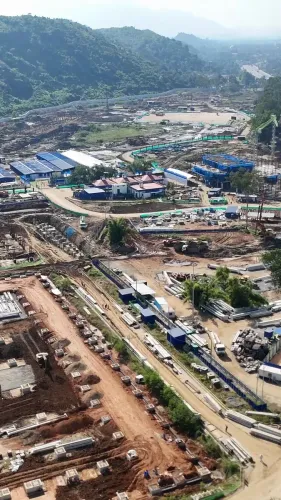
The Tata Semiconductor facility at Jagiroad is part of Tata Electronics' plan to establish semiconductor assembly and testing capacity in India. The site in Morigaon district was formalised through an agreement signed in 2024 between the Assam government and Tata Electronics.
Policy Backdrop
The Jagiroad project draws support from the India Semiconductor Mission, a central government programme launched in 2021 that offers financial incentives for semiconductor fabrication, assembly, testing, and design ecosystems across India. The scheme is central to New Delhi's broader goal of reducing dependence on imported chips and building domestic electronics manufacturing capacity.
Assam's participation in this national drive marks a significant sectoral shift. The state has historically been anchored in oil, tea, and hydropower; the Jagiroad investment signals a deliberate pivot toward electronics and advanced manufacturing. The Assam government has simultaneously expanded technical institutions and skill-development programmes to build a local workforce capable of staffing high-technology units.
Stakeholders and Impact
The primary beneficiaries are Assam's youth, particularly engineering and polytechnic graduates who stand to gain employment and training opportunities as the facility moves toward commissioning. The electronics manufacturing sector in the state, currently nascent, could see significant upstream and downstream activity once the plant is operational.
The visit also carries regional symbolism. Sarma, as convenor of the North-East Democratic Alliance (NEDA), has positioned Assam as a model for neighbouring North-Eastern states exploring similar high-technology investments. A successful semiconductor cluster in Assam could catalyse comparable projects in Meghalaya, Tripura, and Sikkim.
What's Next
Attention will now turn to the phased commissioning timeline of the Jagiroad plant and the rollout of semiconductor-specific training or STEM programmes by the state government. Whether Assam announces dedicated skilling initiatives tied to the facility's manpower requirements will be a key indicator of how deeply the state intends to integrate the plant into its education and employment ecosystem.
For India's semiconductor ambitions, Assam's progress at Jagiroad will serve as an early test of whether incentive-driven manufacturing can take root in a non-traditional industrial state and deliver on promises of local employment and scientific temper among youth.
Point of View
With Assam staking a claim as the North-East's industrial anchor. The emphasis on 'scientific thinking' signals that the government is aware that a factory alone does not transform a region — it needs an aligned education and skilling ecosystem. How quickly that ecosystem materialises around Jagiroad will determine whether the visit becomes a footnote or a milestone in Assam's economic story.
NationPress
8 Oct 2026
Frequently Asked Questions
What is the Tata Semiconductor facility in Jagiroad?
The Tata Semiconductor facility in Jagiroad, Morigaon district, Assam, is a semiconductor assembly and testing unit being set up by Tata Electronics under India's national semiconductor mission. An agreement for the facility was signed in 2024 between the Assam government and Tata Electronics.
What is the India Semiconductor Mission?
The India Semiconductor Mission is a central government programme launched in 2021 that provides financial incentives to companies establishing semiconductor fabrication, assembly, testing, and design units in India, aimed at reducing the country's dependence on imported chips.
Why did CM Himanta Biswa Sarma visit the Jagiroad plant?
Chief Minister Himanta Biswa Sarma visited the Tata Semiconductor facility in Jagiroad to highlight Assam's commitment to building a scientific and industrial ecosystem for its youth, framing the plant as part of broader state efforts through institutions and skill programmes.
How does the Jagiroad semiconductor plant benefit Assam's youth?
The facility is expected to create employment and training opportunities for engineering and polytechnic graduates in Assam, and the state government has been expanding technical institutions and skill-development programmes to prepare a local workforce for high-technology manufacturing.
Is Assam the only North-Eastern state attracting semiconductor investment?
Assam is currently the most prominent North-Eastern state in India's semiconductor push, with the Jagiroad facility serving as a potential model. Similar high-technology investments are being explored in other North-Eastern states, with Assam positioned as a regional anchor under Chief Minister Sarma's leadership.