CM Himanta Eyes Assam OSAT as India's Semicon Hub
Synopsis
Assam Chief Minister Himanta Biswa Sarma has positioned the state's planned OSAT semiconductor facility as a pivotal node in the global chip supply chain, invoking PM Modi's India Semiconductor Mission and calling for Indian talent to build chips at home rather than abroad.
Key Takeaways
CM Himanta Biswa Sarma declared on 9 July 2026 that Assam 's OSAT facility will be a key player in the global semiconductor ecosystem.
The post calls for Indian semiconductor talent to contribute 'from back home' rather than powering overseas chip industries.
The initiative is backed by the India Semiconductor Mission (2021) , which offers up to 50 per cent capital support for approved projects.
Assam would enter the OSAT segment — chip packaging, assembly, and testing — currently dominated by Malaysia , Vietnam , and Thailand .
The facility could generate high-skill employment for Assam 's youth and anchor a supplier ecosystem in the Northeast .
Partner companies and the operational timeline for the Assam OSAT unit remain to be officially confirmed.
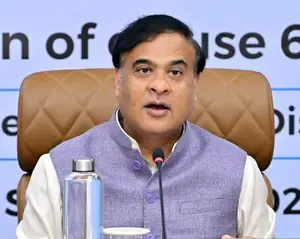
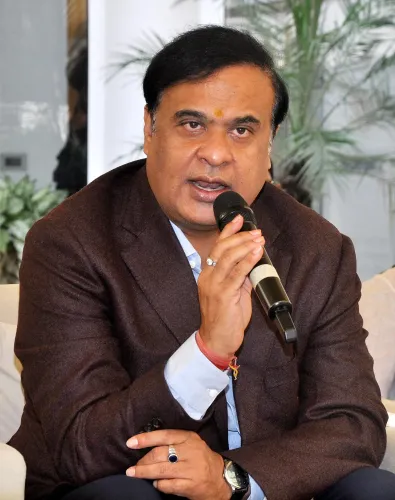
Assam Chief Minister Himanta Biswa Sarma on Thursday, 9 July 2026, declared that Assam's upcoming Outsourced Semiconductor Assembly and Test (OSAT) facility will play a key role in the global semiconductor ecosystem, framing the project as a homecoming for Indian talent that has long powered chip industries abroad.
Context
Sarma's post, addressed to Prime Minister Narendra Modi, states: 'Indian talent has been powering the world's semiconductor growth — it's time they do it from back home.' The remark captures a sentiment that has shaped India's semiconductor policy since 2021: that the country exports engineering expertise while importing nearly every chip it consumes.
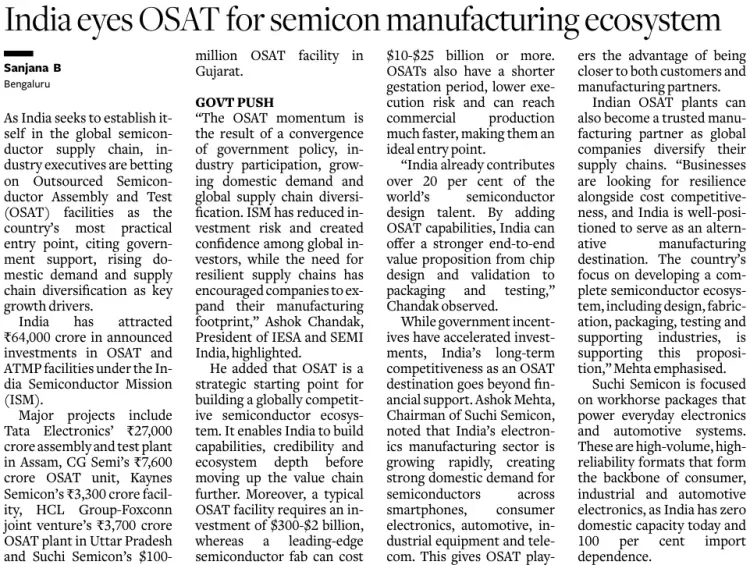
An OSAT facility handles the packaging, assembly, and testing of semiconductor chips after they are fabricated — a critical but often overlooked link in the chip supply chain. By hosting such a unit, Assam would enter a segment where countries like Malaysia, Vietnam, and Thailand have long dominated.
Policy Backdrop
The push sits within the India Semiconductor Mission (ISM), launched in 2021 under the broader Atmanirbhar Bharat framework. The mission offers fiscal incentives — including up to 50 per cent capital support — for approved semiconductor manufacturing and assembly projects, aiming to reduce the country's dependence on imports and insulate supply chains from geopolitical disruptions centred on Taiwan and East Asia.
The Production Linked Incentive scheme for semiconductors complements the mission by rewarding incremental domestic output. Together, these instruments have drawn investment interest from global chip companies scouting for alternative assembly bases outside East Asia.
Stakeholders and Impact
Assam's inclusion in the semiconductor investment map is significant for the Northeast, a region historically underrepresented in high-technology manufacturing. If the OSAT unit reaches operational scale, it could generate skilled employment for Assam's youth in a sector that typically commands higher wages than conventional manufacturing.
CM Sarma, who also convenes the North-East Democratic Alliance (NEDA), has consistently positioned Assam as the gateway to the Northeast for industrial investment. A functional semiconductor facility would reinforce that narrative and potentially anchor downstream supplier ecosystems in the region.
For the broader semiconductor workforce, the development signals that career pathways in chip design, testing, and quality assurance may no longer require relocation to Bengaluru, Hyderabad, or overseas destinations.
What's Next
Watchers of the initiative will track state-level memoranda of understanding with private companies for the Assam OSAT unit, as well as talent skilling programmes tied to the national mission. The operational timeline and partner companies for the facility have not yet been confirmed through official announcements.
As India races to establish credibility as a reliable node in global chip supply chains, the success of early OSAT projects in states like Assam will determine whether the country's semiconductor ambitions move from policy document to factory floor.
Point of View
Reinforcing BJP's governance credentials in the Northeast ahead of future electoral cycles. The framing of 'Indian talent coming home' is a deliberate appeal to the diaspora and domestic engineering community, signalling that the Northeast is open for high-technology business. Positioning Assam in the OSAT segment is strategically shrewd: it is capital-light compared to wafer fabrication yet integral to global supply chains, making it a realistic entry point for a state building its industrial base. Whether the facility moves from announcement to operation will be the real test of this ambition.
NationPress
8 Oct 2026
Frequently Asked Questions
What is the Assam OSAT semiconductor facility?
The Assam OSAT (Outsourced Semiconductor Assembly and Test) facility is a planned unit that will handle the packaging, assembly, and testing of semiconductor chips, positioning Assam as a node in the global chip supply chain under India's semiconductor mission.
What is the India Semiconductor Mission?
The India Semiconductor Mission (ISM) is a central government programme launched in 2021 under Atmanirbhar Bharat, offering fiscal incentives including up to 50 per cent capital support to attract semiconductor manufacturing and assembly investments into India .
Why is Himanta Biswa Sarma promoting semiconductor manufacturing in Assam?
CM Himanta Biswa Sarma is positioning Assam as a high-technology manufacturing destination to generate skilled employment for the state's youth and integrate the Northeast into national and global industrial supply chains.
What does OSAT mean in semiconductor manufacturing?
OSAT stands for Outsourced Semiconductor Assembly and Test. These facilities receive fabricated chips from foundries and perform packaging, bonding, and quality testing before the chips are shipped to electronics manufacturers.
How does Assam's semiconductor push fit into India's broader chip strategy?
Assam 's OSAT project is part of India 's effort to diversify semiconductor manufacturing beyond western and southern states, reduce import dependence, and build resilient supply chains amid global chip shortages and geopolitical risks linked to Taiwan and East Asia .