CM Himanta Visits Flood-Hit Borigaon in Jorhat
Synopsis
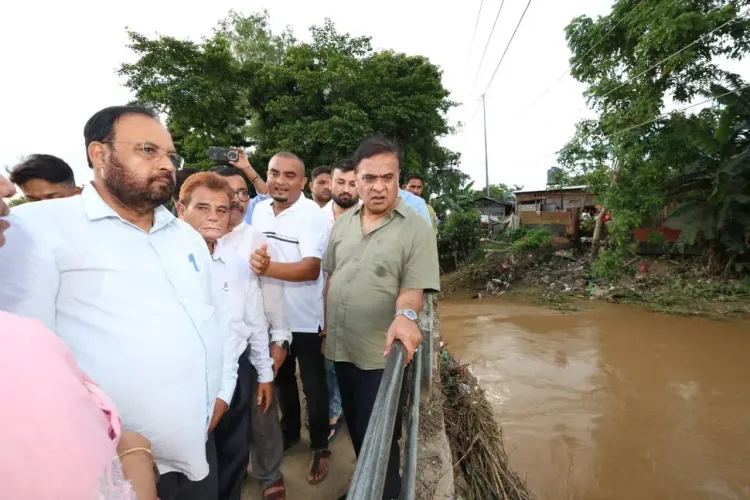
Chief Minister Himanta Biswa Sarma visited flood-affected Borigaon in Jorhat on 22 July 2026, interacting with families hit by Bhogdoi River flooding to personally evaluate the ground situation — part of Assam's established monsoon disaster-response protocol.
Key Takeaways
Himanta Biswa Sarma conducted an on-ground visit to flood-affected Borigaon in Jorhat district on 22 July 2026 .
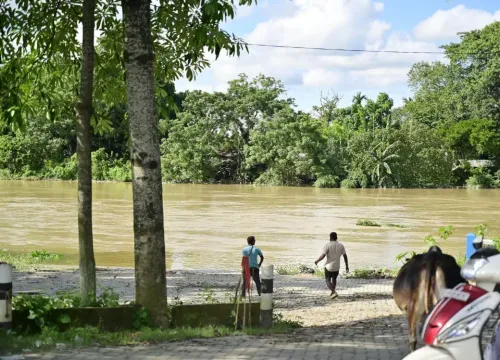
The visit focused on the Bhogdoi River corridor, a Brahmaputra tributary that recurrently inundates low-lying areas of Jorhat during the monsoon.
The Chief Minister interacted directly with affected families to assess damage and relief needs at the ground level.
Assam has followed a protocol of Chief Minister-led field assessment tours during monsoon floods since at least the early 2000s .
Formal flood damage reports by the Assam State Disaster Management Authority and possible central assistance requests are expected in the coming days.
The monsoon season runs through September , keeping further flood risk active across Brahmaputra-basin districts.
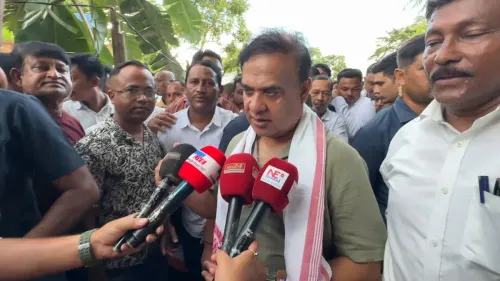
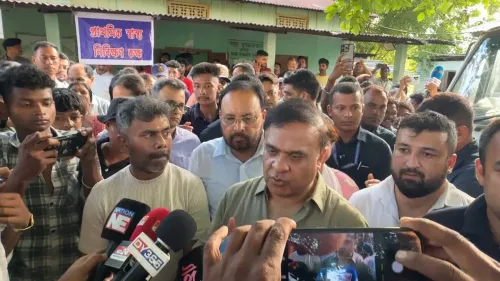
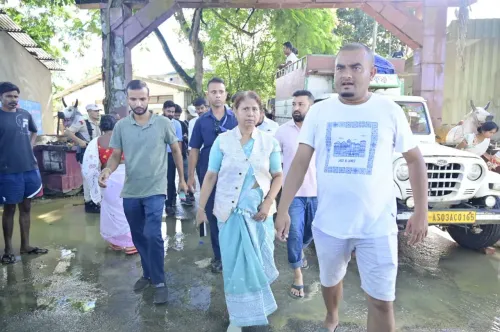
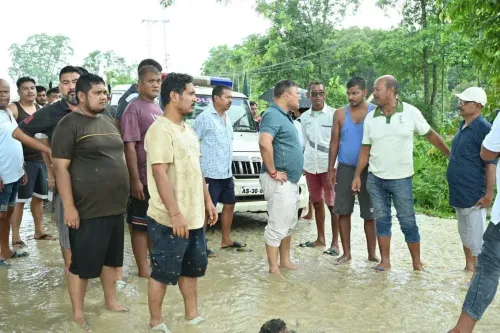
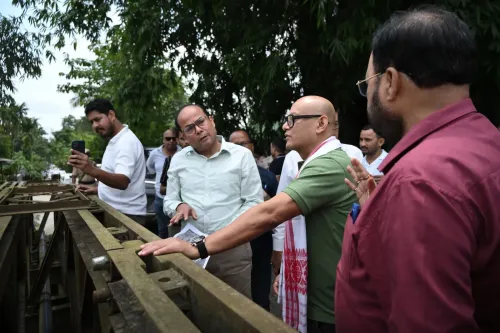
The Chief Minister's Office of Assam announced on Wednesday, 22 July 2026 that Chief Minister Dr. Himanta Biswa Sarma visited flood-affected areas of Borigaon along the Bhogdoi River in Jorhat district, interacting directly with affected families to assess the ground situation.
Context
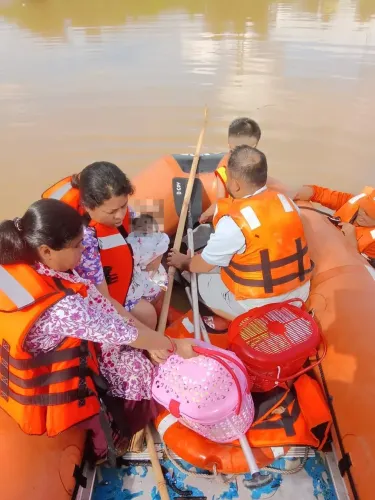
Jorhat, located in eastern Assam, lies along the Bhogdoi River — a tributary of the Brahmaputra that regularly causes inundation in low-lying localities during the monsoon season. Borigaon, the specific locality visited by CM Himanta, is among the areas prone to seasonal flooding when the Bhogdoi breaches its banks under heavy rainfall. The Chief Minister's field visit is aimed at a first-hand evaluation of damage to households and the condition of affected residents.
The CMO's post noted that Dr. Sarma 'interacted with affected families to assess the ground situation,' signalling a direct, ground-level engagement rather than a review confined to administrative offices. Such visits are part of established state disaster response protocol in Assam.
Policy Backdrop
Assam has faced predictable annual flooding from the Brahmaputra and its tributaries during the June–September monsoon for decades, displacing lakhs of people and damaging crops, homes, and embankments almost every year. State administrations have conducted Chief Minister-led field assessment tours across affected districts since at least the early 2000s as a standard component of disaster response.
Long-term mitigation efforts have included embankment strengthening, dredging projects, and early-warning systems funded through both state and central schemes across successive five-year plans. The Assam State Disaster Management Authority (ASDMA) coordinates relief operations and compiles damage assessments that inform both immediate relief and longer-term rehabilitation budgets.
Stakeholders and Impact
Flood-affected families in Borigaon and the broader Jorhat district are the immediate stakeholders of this visit. Direct interaction by the Chief Minister with affected residents serves both an administrative purpose — gathering unfiltered ground intelligence on damage and relief gaps — and a visible signal of governmental attention during a crisis.
Farmers, daily-wage workers, and small traders in inundated localities typically bear the sharpest economic brunt of Assam's monsoon floods, with crop losses and damaged household assets compounding displacement hardship. Relief distribution, temporary shelter, and livestock support form the immediate layer of state response in such situations.
What's Next
Following field visits of this nature, the ASDMA typically releases updated district-wise flood damage reports that form the basis for supplementary budget allocations or formal requests for central assistance under the National Disaster Response Fund (NDRF). Observers will watch for any such reports or relief announcements from the Assam government in the coming days.
The broader monsoon season extending through September 2026 means further rounds of flooding remain a live risk for Jorhat and other Brahmaputra-basin districts. The Chief Minister's personal assessment of Borigaon may also feed into decisions on emergency embankment repairs or accelerated drainage interventions along the Bhogdoi corridor.
Frequently Asked Questions
Why did CM Himanta Biswa Sarma visit Jorhat on 22 July 2026?
CM Himanta Biswa Sarma visited Borigaon in Jorhat to personally assess flood damage caused by the Bhogdoi River and interact with affected families, as part of the state's monsoon disaster-response protocol.
Which areas of Jorhat were affected by flooding in July 2026?
Borigaon, a locality in Jorhat district along the Bhogdoi River, was among the flood-affected areas visited by the Chief Minister on 22 July 2026.
What is the Bhogdoi River and why does it cause floods in Jorhat?
The Bhogdoi River is a tributary of the Brahmaputra that flows through Jorhat district. During heavy monsoon rains it frequently breaches its banks, inundating low-lying areas like Borigaon.
What happens after the Chief Minister's flood assessment visit in Assam?
After such visits, the Assam State Disaster Management Authority typically releases updated damage reports, which are used to determine relief allocations and any formal requests for central assistance under the National Disaster Response Fund.
How often does Assam face major flooding?
Assam faces predictable annual flooding from the Brahmaputra and its tributaries during the June–September monsoon season, displacing lakhs of people and damaging crops and embankments almost every year.