CM Himanta Visits Flood-Hit Upper Assam, Reviews Relief Ops
Synopsis
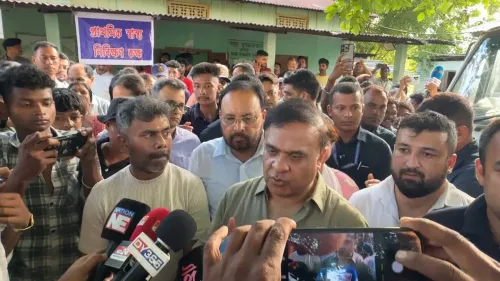
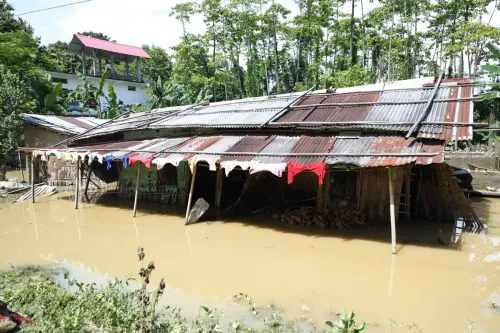
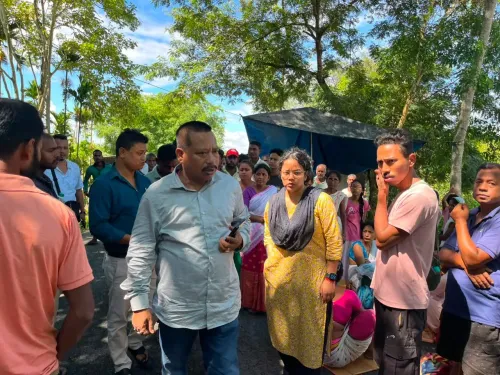
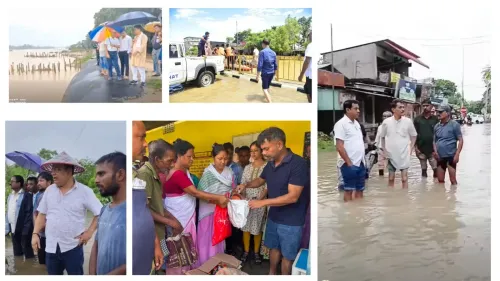
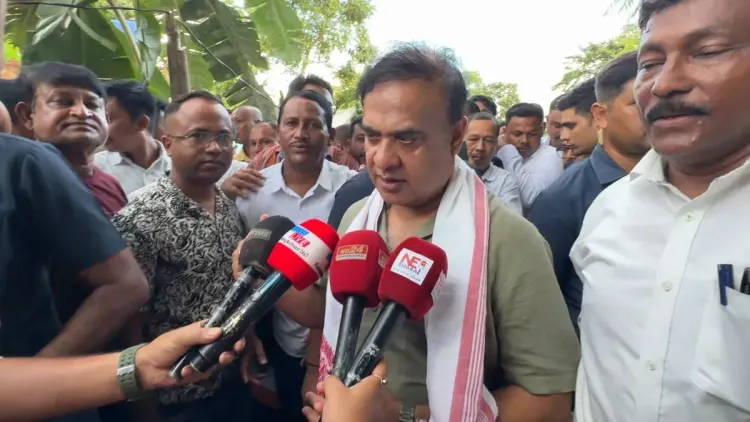
Chief Minister Himanta Biswa Sarma visited flood-affected areas across Upper Assam on 22 July 2026, interacted with displaced families at a relief camp in Teok, and addressed the media on the state government's ongoing relief and rehabilitation operations amid the monsoon season.
Key Takeaways
Himanta Biswa Sarma conducted an on-ground visit to flood-affected areas across Upper Assam on 22 July 2026 .
He visited a relief camp in Teok , Jorhat district , and interacted directly with displaced families to assess conditions.
Following the camp visit, the Chief Minister held a media briefing to update the public on relief and rehabilitation progress.
Upper Assam is among India's most flood-prone regions, with annual Brahmaputra flooding regularly displacing thousands of families.
The state's disaster response operates within India's national framework, with potential for a formal central assistance request under the NDRF .
Further announcements on compensation packages, embankment works, and central government coordination are expected in the coming days.
The Chief Minister's Office of Assam announced on Wednesday, 22 July 2026 that Chief Minister Dr. Himanta Biswa Sarma visited flood-affected areas across Upper Assam to assess ground conditions and interacted directly with families displaced by the ongoing monsoon flooding. Following his visit to a relief camp in Teok, Jorhat district, the Chief Minister addressed the media to share updates on relief and rehabilitation efforts underway.
Context
Upper Assam — the eastern belt of the state encompassing districts along the Brahmaputra and its tributaries — is among the most flood-prone regions in the country. Annual monsoon flooding regularly displaces thousands of families, inundates agricultural land, and strains district-level administrative infrastructure. The July 2026 flood event has prompted the state government to activate relief camps, with Teok in Jorhat district serving as one such operational centre for affected residents.
Chief Minister Sarma has maintained a pattern of conducting personal on-ground assessments during major flood events since assuming office in May 2021. Such visits are intended to coordinate district administrations, verify the adequacy of relief distribution, and signal executive attention to affected communities.
Policy Backdrop
Assam's flood response operates within India's National Disaster Management Framework, with the State Disaster Response Force (SDRF) conducting rescue and relief operations alongside district administrations. Chief ministerial inspections of relief camps have been a standard element of the state's disaster response cycle since at least 2016, serving both an administrative coordination function and a public accountability role.
The state government's relief operations typically include the distribution of compensation to affected families, provisioning of food and essential supplies at camps, and, in the medium term, embankment repair and restoration work on breached river defences. Requests for central assistance under the National Disaster Response Fund (NDRF) form a recurring feature of Assam's post-flood engagement with New Delhi.
Stakeholders and Impact
The primary stakeholders are the flood-affected families of Upper Assam, who depend on state relief camps for food, shelter, and medical assistance during inundation periods. Farmers in the region face crop losses that compound household economic stress, while local administrations must manage resource allocation across multiple affected villages simultaneously.
CM Sarma's direct interaction with affected families at the Teok relief camp provides the state government with first-hand feedback on ground conditions, which can inform adjustments to relief logistics and compensation disbursement. The media briefing that followed ensures public visibility into the government's response posture at a critical juncture of the monsoon season.
What's Next
Attention will now turn to the specific rehabilitation packages the state announces for flood-hit districts, including compensation amounts for crop and property damage. Any formal request to the central government for NDRF assistance, as well as announcements on long-term structural measures such as embankment strengthening or dredging projects along the Brahmaputra system, will be closely watched.
With the monsoon season typically extending through September, Upper Assam districts remain at continued risk of fresh flooding waves, making sustained administrative engagement and pre-positioned relief stocks a priority for the state in the weeks ahead.
Point of View
Meaning the state's relief machinery will face sustained pressure rather than a single acute event. Assam's chronic flood problem also underscores a structural gap: despite decades of embankment construction and dredging proposals, the Brahmaputra system continues to overwhelm defences each year, raising questions about the adequacy of long-term infrastructure investment versus annual relief spending. The media briefing format adopted by the CM's office reflects a broader trend among state governments of using direct communication to shape the relief narrative ahead of any central government assessment.
NationPress
22 Jul 2026
Frequently Asked Questions
Why did CM Himanta Biswa Sarma visit Upper Assam on 22 July 2026?
CM Himanta Biswa Sarma visited Upper Assam on 22 July 2026 to assess flood conditions on the ground, interact with affected families at a relief camp in Teok, and update the public on the state government's relief and rehabilitation operations.
Which areas of Assam are affected by floods in July 2026?
Upper Assam, the eastern belt of the state comprising districts along the Brahmaputra and its tributaries, has been affected by monsoon flooding, with Teok in Jorhat district identified as one of the areas hosting a relief camp.
What is the Teok relief camp in Assam?
Teok is a town in Jorhat district, Upper Assam, that has served as a relief camp location during recurrent Brahmaputra flooding. CM Sarma visited the camp on 22 July 2026 to assess conditions and meet displaced families.
What relief measures is the Assam government providing to flood victims?
The Assam government's standard flood relief measures include operating relief camps with food and essential supplies, distributing compensation to affected families, and deploying the State Disaster Response Force for rescue operations, with longer-term embankment repair typically following.
How often does Assam face flooding and what is the government's response?
Assam faces predictable annual flooding from the Brahmaputra river system during the monsoon season, typically from June through September. The state government responds with SDRF deployments, relief camps, compensation distribution, and chief ministerial inspections, and may seek central NDRF assistance for major events.