CM Himanta Calls for AI-Driven, Inclusive Classrooms

Synopsis
Assam CM Himanta Biswa Sarma has outlined an AI-first education vision — targeting early learning gaps, dropout risk, and teacher support — positioning technology as the lever to deliver inclusive, student-centric classrooms across the state and the north-east.
Key Takeaways
Assam CM Himanta Biswa Sarma posted his AI-in-education vision on 18 August 2026 .
He called for AI systems to identify learning gaps early and flag students at risk of dropping out.
Strengthening foundational learning — literacy and numeracy in early grades — is a named priority.
The vision positions AI as a tool to equip teachers, not replace them.
The statement aligns with active implementation of India's National Education Policy (NEP) 2020 .
As NEDA convenor , Sarma's push carries potential policy weight across multiple north-eastern states.
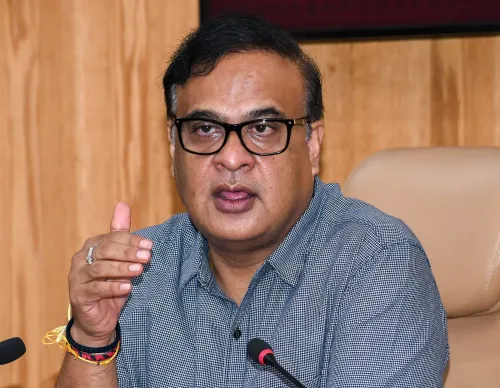
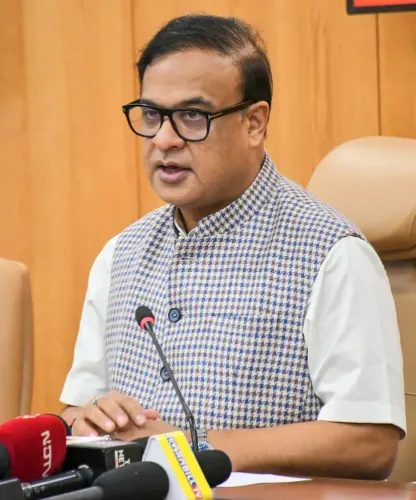
Artificial intelligence in the classroom is no longer a distant promise — for Assam Chief Minister Himanta Biswa Sarma, it is the blueprint for every child who risks being left behind. On Tuesday, 18 August 2026, the BJP leader posted a sharp vision statement on X, arguing that AI must do what overcrowded classrooms too often cannot: spot the struggling student before it is too late.
The gaps AI is meant to close
CM Sarma's framing goes straight to the structural pain points of Indian school education — early learning gaps, dropout risk, and the uneven quality of instruction. His post calls for AI systems that can 'identify learning gaps early' and 'flag students at risk of dropping out,' two challenges that have historically required either exceptional teachers or expensive interventions that most government schools cannot afford.
The third pillar he names is foundational learning — reading, writing, and arithmetic in the early grades — an area where India's own national assessments have repeatedly shown large deficits across states, including in the north-east. Addressing it early, before a child falls irreversibly behind, is precisely the use-case where adaptive AI tools have shown the most promise globally.
Teachers as the other half of the equation
Sarma's vision is not one where AI replaces the teacher. He explicitly calls for 'smarter tools' that equip educators — a framing that positions technology as leverage, not substitution. This matters in a state like Assam, where teacher vacancies and multi-grade classrooms in rural and tribal areas make individual attention difficult at scale.
The final beat of his statement — 'empower every child with the confidence and skills to thrive in a rapidly changing world' — anchors the technological argument in a human outcome. Skills and confidence, not just scores.
Why the timing of this push matters
The statement arrives as India's National Education Policy (NEP) 2020 is in active implementation across states, with technology integration identified as a key lever for achieving its equity goals. For the north-east, which faces distinct challenges around multilingual classrooms, geographic isolation, and high dropout rates in upper primary grades, an AI-assisted early-warning system would represent a meaningful structural shift — if it moves from vision to procurement and deployment.
The question the education community will now watch is whether this statement is the prelude to a concrete Assam state programme, or the opening of a broader national conversation that CM Sarma, as NEDA convenor, is well-placed to carry across the region.
One thing is clear: the bar has been set in public. The child at risk of dropping out now has a named champion at the top of the state.
Point of View
He signals awareness of the north-east's structural school challenges rather than offering generic tech boosterism. The NEDA convenor framing also hints at a potential regional policy push, which would give the vision political scale beyond Assam. The real test will be whether a concrete state programme follows, or whether this remains aspirational positioning ahead of electoral cycles.
NationPress
2 Oct 2026
Frequently Asked Questions
What did Assam CM Himanta Biswa Sarma say about AI in education?
CM Sarma said AI should help build classrooms that identify learning gaps early, flag students at risk of dropping out, strengthen foundational learning, give teachers smarter tools, and empower every child to thrive in a changing world.
Is Assam launching an AI education programme?
As of 18 August 2026, CM Sarma has stated a vision for AI-driven, inclusive education, but no specific programme or scheme has been officially announced alongside the post.
How does this relate to India's National Education Policy 2020?
NEP 2020 identifies technology integration as a key lever for equity in education. Sarma's AI vision aligns directly with those goals, particularly around foundational learning and reducing dropout rates.
What is NEDA and why does it matter here?
The North-East Democratic Alliance (NEDA) is a BJP-led political grouping of north-eastern parties, and CM Sarma is its convenor. His education push could influence policy thinking across multiple north-eastern states, not just Assam.
What are the main education challenges in Assam that AI could address?
Assam faces significant challenges including rural teacher shortages, multi-grade classrooms, high dropout rates in upper primary grades, and foundational learning deficits — all areas Sarma specifically named in his AI vision.