CM Karnataka inspects Bengaluru footpath clearance drive
Synopsis
Chief Minister Siddaramaiah personally inspected Bengaluru's ongoing footpath clearance special operation on 10 July 2026, carried out under Supreme Court directions. The CMO called protecting pedestrian rights a civil society duty and described the drive as a significant step toward safe, smooth movement in the city.
Key Takeaways
The Chief Minister's Office of Karnataka announced CM Siddaramaiah 's personal site inspection of Bengaluru 's footpath clearance drive on 10 July 2026 .
The special anti-encroachment operation is being conducted in compliance with a directive from the Supreme Court of India .
The CMO stated that the quality of a city's footpaths is a key civic standard for it to be considered citizen-friendly.
The Bruhat Bengaluru Mahanagara Palike (BBMP) is the executing agency for the operation.
Pedestrians, daily commuters, senior citizens, and differently-abled residents are the primary beneficiaries of cleared pavements.
Progress of the operation is subject to judicial monitoring, with compliance reports expected to be filed with the Supreme Court .
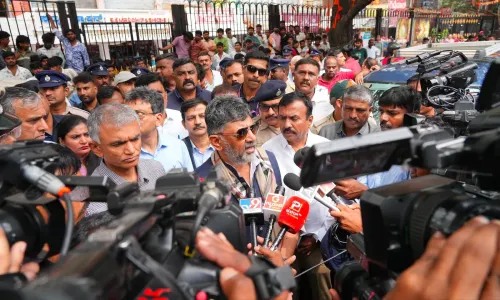
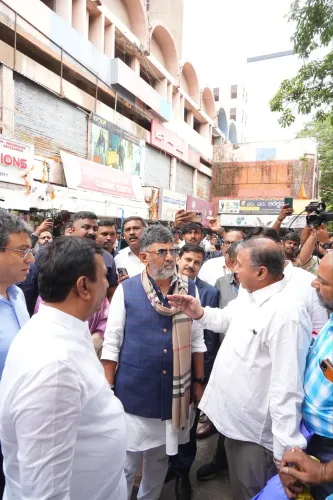
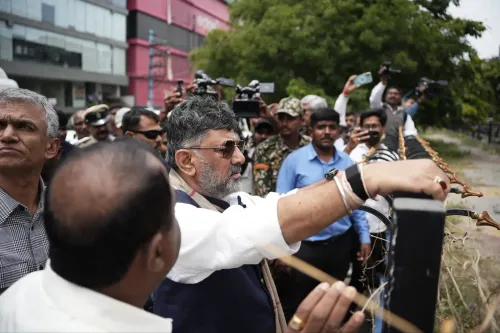
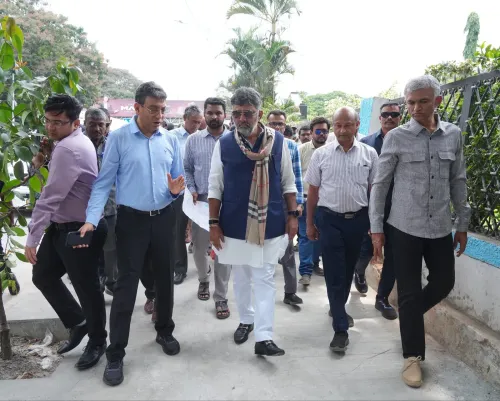
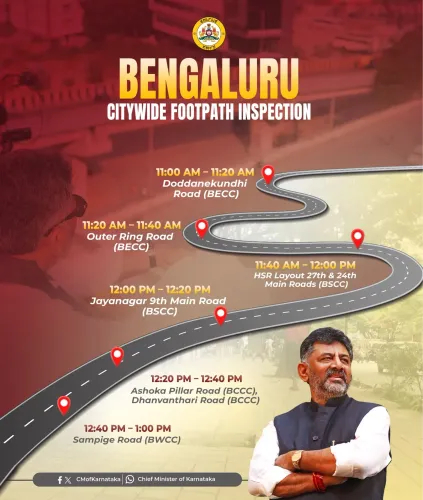
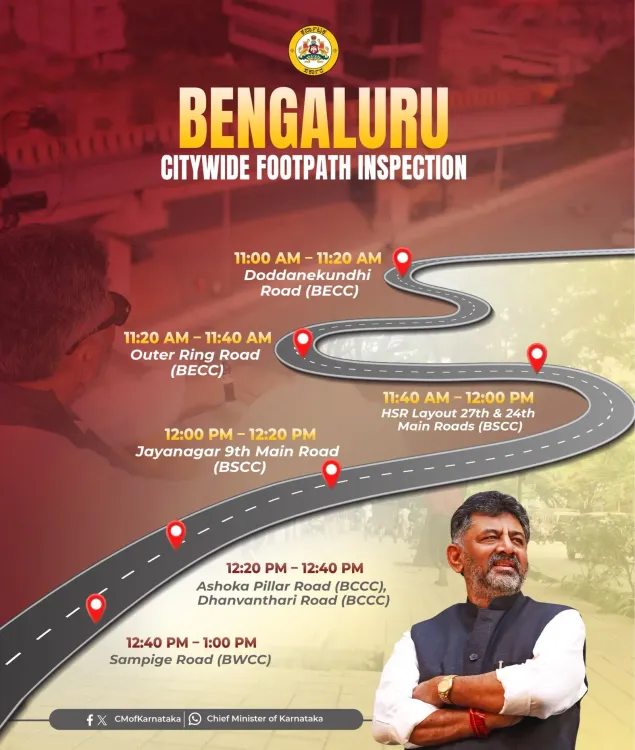
The Chief Minister's Office of Karnataka announced on Friday, 10 July 2026 that Chief Minister Siddaramaiah conducted a site inspection and participated in a city walkathon as part of a special anti-encroachment operation clearing footpaths across Bengaluru, undertaken in compliance with a directive from the Supreme Court of India.
The post, written in Kannada, states: 'ಪಾದಚಾರಿಗಳ ಹಕ್ಕು ಕಾಪಾಡುವುದು ನಾಗರಿಕ ಸಮಾಜದ ಕರ್ತವ್ಯ' — 'Protecting the rights of pedestrians is the duty of civil society.' The Chief Minister described the ongoing footpath clearance special operation as 'a significant step towards safe and smooth movement' in the city.
Context
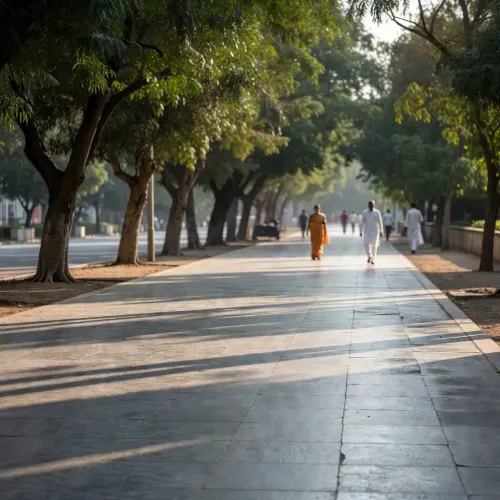
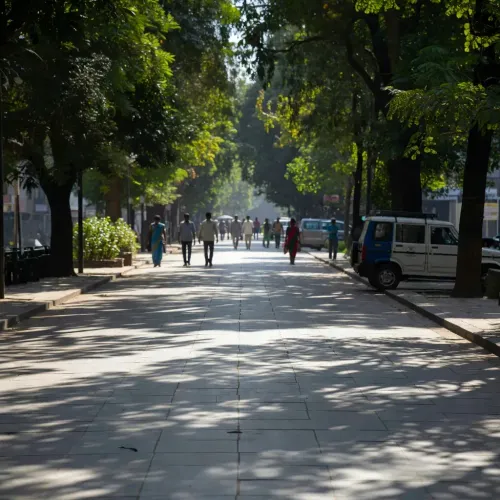
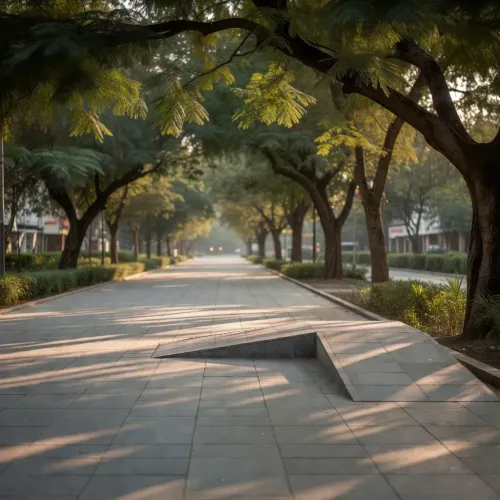
The CMO's post frames pedestrian infrastructure as a key civic standard, noting that the quality of a city's footpaths determines whether it can be called a good, citizen-friendly city. The statement comes as Bengaluru, Karnataka's capital and one of India's largest metropolises, faces longstanding criticism over encroached and unusable pavements that force pedestrians onto busy roads.
The Chief Minister personally joined the ground-level inspection, signalling high-level political ownership of the operation. Such visible participation by a sitting Chief Minister in a municipal enforcement drive is relatively uncommon and underscores the pressure from the apex court.
Policy Backdrop
The Supreme Court of India has, over successive decades, issued directions to urban local bodies across the country to clear illegal occupations from public footpaths. These orders stem from petitions highlighting the hazard posed to pedestrians — particularly the elderly and differently-abled — when pavements are occupied by vendors, parked vehicles, or construction material.
In Bengaluru, the Bruhat Bengaluru Mahanagara Palike (BBMP) is the nodal agency responsible for enforcing civic rules and executing anti-encroachment operations. The current special operation is being conducted under BBMP's jurisdiction in response to the court's direction, making it a judicially monitored civic action rather than a routine administrative exercise.
Stakeholders and Impact
The primary beneficiaries of cleared footpaths are Bengaluru's millions of daily pedestrians, including office commuters, schoolchildren, senior citizens, and people with disabilities who currently navigate broken or encroached pavements. Urban commuters and public transport users who walk the 'last mile' stand to gain the most from restored walkways.
Street vendors and informal traders who occupy footpath space are the most directly affected by the clearance drive. Balancing their livelihoods with pedestrian rights has historically been a contentious policy challenge in Indian cities, and the judicially mandated nature of this operation limits the government's flexibility on that front.
What's Next
With the Supreme Court monitoring the progress of such directives, the BBMP and the Karnataka government will be expected to file compliance reports on the extent of footpaths cleared and the measures put in place to prevent re-encroachment. Civil society groups and resident welfare associations in Bengaluru are likely to track whether cleared stretches remain accessible in the weeks ahead.
If the Bengaluru operation demonstrates measurable results, the Karnataka government may extend similar special drives to other urban centres in the state such as Mysuru, Hubballi-Dharwad, and Mangaluru, aligning with the broader national push for pedestrian-friendly, sustainable urban mobility.
Point of View
The administration insulates itself from political blowback by vendors and encroachers — framing compliance as a legal obligation rather than a political choice. The move also fits a broader pattern seen across Indian state governments of using high-visibility chief ministerial appearances to lend momentum to drives that have historically stalled at the bureaucratic level. Whether this translates into sustained clearance or reverts to the familiar cycle of temporary enforcement followed by re-encroachment will be the real test of political will.
NationPress
10 Jul 2026
Frequently Asked Questions
Why is Bengaluru clearing footpaths in July 2026?
Bengaluru is conducting a special footpath clearance operation in July 2026 under a directive from the Supreme Court of India, which has ordered municipal bodies to remove illegal encroachments from public pedestrian paths. The drive is being executed by the Bruhat Bengaluru Mahanagara Palike (BBMP).
What did Karnataka CM Siddaramaiah do during the footpath drive?
CM Siddaramaiah personally conducted a site inspection and participated in a city walkathon on 10 July 2026 to review the progress of the anti-encroachment operation on Bengaluru's footpaths.
What is the Supreme Court's role in Bengaluru's footpath clearance?
The Supreme Court of India has issued directions to urban local bodies, including BBMP, to clear illegal occupations from public footpaths. The current Bengaluru operation is being carried out in compliance with such a directive, making it a judicially monitored civic action.
Who is responsible for clearing footpaths in Bengaluru?
The Bruhat Bengaluru Mahanagara Palike (BBMP), Bengaluru's municipal corporation, is the nodal agency responsible for enforcing civic rules and conducting anti-encroachment operations on the city's pedestrian paths.
How does footpath encroachment affect Bengaluru residents?
Encroached footpaths force pedestrians — including senior citizens, schoolchildren, and differently-abled people — onto busy roads, creating serious safety hazards. Cleared pavements benefit daily commuters and last-mile public transport users most directly.