CM Karnataka Remembers 1837 Sullya Sangrama Heroes
Synopsis
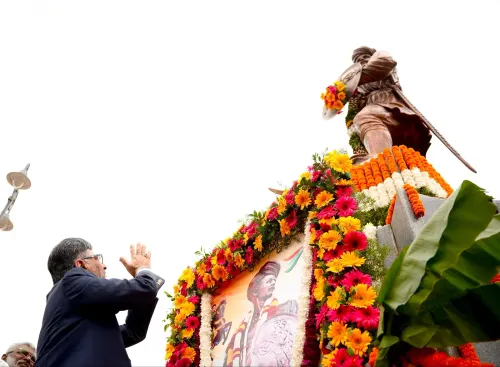
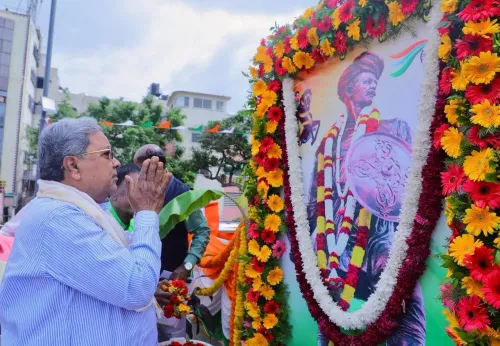
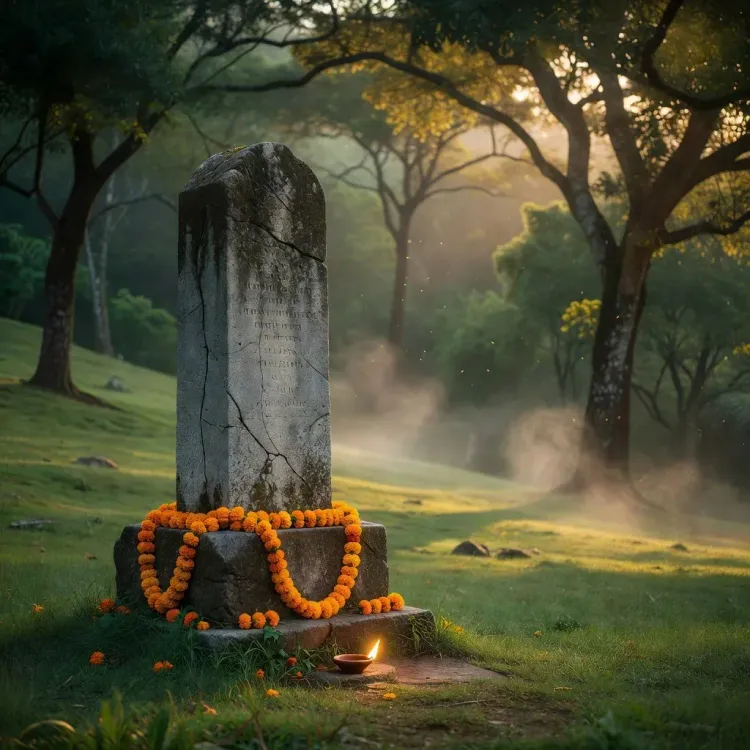
The Chief Minister's Office of Karnataka paid tribute on 18 November 2026 to the leaders of the 1837 Sullya Sangrama — Kedambadi Ramayya Gowda, Kalyanaswami, and Guddemane Appayya Gowda — honouring a farmer-led anti-British uprising that predated the 1857 revolt by two decades.
Key Takeaways
The Chief Minister's Office of Karnataka posted a tribute on 18 November 2026 honouring heroes of the 1837 Sullya Sangrama .
The three leaders named are Kedambadi Ramayya Gowda , Kalyanaswami , and Guddemane Appayya Gowda .
The Sullya Sangrama took place in Sullia (then South Canara), 20 years before the 1857 First War of Independence.
The uprising was a farmer-led armed revolt against British East India Company revenue policies in the coastal hinterland of Karnataka.
Karnataka governments have periodically highlighted pre-1857 regional revolts to underscore Kannada participation in anti-colonial resistance since state formation in 1956 .
Twenty years before the revolt of 1857 lit up the subcontinent, a defiant band of farmers and chieftains in the hills of Sullia had already drawn first blood against the British East India Company — and on Wednesday, 18 November 2026, the Chief Minister's Office of Karnataka invoked that forgotten courage in an official tribute on X.
The post, written in Kannada, honours three leaders of the Sullya Sangrama of 1837: Kedambadi Ramayya Gowda, Kalyanaswami, and Guddemane Appayya Gowda. It describes the uprising as a landmark event in the struggle against British rule, adding: 'ee raita horaata Kannadigara paraakramaakke saakshi' — 'this farmer's fight stands witness to the valour of Kannadigas' — and calls the saga 'an eternal source of inspiration for every person of this land.'
The Sullya revolt that predated 1857 by two decades
The Sullya Sangrama erupted in 1837 in what was then the South Canara district, today's Dakshina Kannada, Karnataka. The uprising was driven by rural resentment against the British East India Company's aggressive revenue extraction policies, which squeezed local peasants and smallholder cultivators to breaking point.
Kedambadi Ramayya Gowda and Guddemane Appayya Gowda mobilised the farming community while Kalyanaswami provided crucial organisational muscle to the resistance. The rebellion was armed and direct — a sharp departure from petitions and passive non-compliance — making it one of the more confrontational pre-1857 uprisings in peninsular India.
Why Karnataka keeps returning to this story
Since Karnataka's formation in 1956, state governments across party lines have periodically spotlighted pre-1857 regional revolts in official statements and school textbooks. The intent is consistent: to demonstrate that the anti-colonial impulse was not born in 1857 at Meerut, nor confined to the Gangetic plains. The western coastal hinterland of Karnataka had its own martyrs, its own battles, its own moral claim on the freedom narrative.
This pattern of historical memory-building carries a live political function. By anchoring Kannada identity to an independent, pre-national resistance tradition, state institutions reinforce the idea that the region's contribution to India's freedom was original and sovereign — not borrowed from a northern template.
Sullia's place in Dakshina Kannada's identity
Sullia taluk in Dakshina Kannada district remains deeply proud of the 1837 revolt. Local historians have long argued that the Sullya Sangrama deserves a larger presence in national history syllabi. Upcoming state events — Karnataka Rajyotsava and Independence Day cycles — are natural occasions for the government to announce memorials, institution-naming, or curriculum updates that give these three leaders a more permanent footprint in public memory.
Three names from a hillside taluk. One revolt that the empire tried to erase. The Chief Minister's Office just made sure another generation reads them.
Point of View
Not a singular national event. For Karnataka, elevating figures like Kedambadi Ramayya Gowda serves a dual purpose: broadening the freedom narrative beyond dominant north-Indian historiography, and reinforcing Kannada cultural identity at a moment when state-level pride remains a potent political asset. The deliberate framing of the revolt as a 'farmer's uprising' also carries contemporary resonance, linking agrarian identity to patriotic sacrifice. Whether this tribute translates into concrete steps — curriculum revision, memorials, or institutional naming — will be the real test of its political weight.
NationPress
18 Nov 2026
Frequently Asked Questions
What was the Sullya Sangrama of 1837?
The Sullya Sangrama was an armed uprising in 1837 in Sullia, then part of South Canara district, led by local farmers and chieftains against the British East India Company's oppressive revenue policies. It is notable for occurring two decades before the 1857 revolt.
Who were the leaders of the 1837 Sullya Sangrama?
The three principal leaders were Kedambadi Ramayya Gowda, Kalyanaswami, and Guddemane Appayya Gowda, who organised local farmers and chieftains to resist British rule in coastal Karnataka.
Where is Sullia located?
Sullia is a taluk in Dakshina Kannada district in the state of Karnataka, situated in the coastal hinterland of south-western India.
Why does Karnataka commemorate pre-1857 uprisings?
Karnataka governments have highlighted pre-1857 regional revolts since state formation in 1956 to demonstrate that the anti-British struggle began well before 1857 and had deep roots in the Kannada-speaking region, reinforcing both historical accuracy and regional identity.
How did the Sullya Sangrama relate to the 1857 revolt?
The Sullya Sangrama preceded the 1857 First War of Independence by approximately 20 years, making it one of the earlier armed challenges to British East India Company authority in peninsular India.