CM Pema Khandu bets on coffee to boost Arunachal farmers

Synopsis
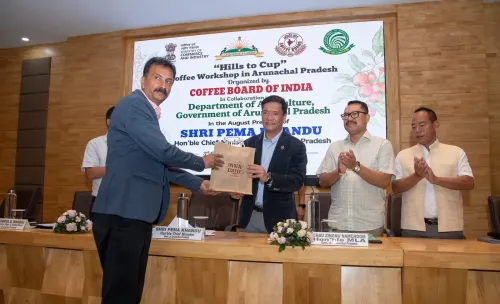
Chief Minister Pema Khandu hosted the 'Hills to Cup' Coffee Workshop in Itanagar on October 4, 2026, bringing together experts and farmers to explore coffee cultivation as a high-value livelihood option tied to Arunachal Pradesh's growing tourism economy.
Key Takeaways
CM Pema Khandu hosted the 'Hills to Cup' Coffee Workshop in Itanagar on October 4, 2026 .
The initiative is driven by two converging trends: rising tourist inflows into Arunachal Pradesh and growing coffee consumption culture across India.
The workshop brought together domain experts, farmers, and aspiring entrepreneurs to share knowledge and map a potential coffee value chain.
The state government's approach is consultative — building evidence and capacity before committing to formal policy or funding.
Coffee cultivation in the region is positioned as a complement to Arunachal Pradesh's agri-tourism push, with a 'farm to cup' branding potential.
A workshop in Itanagar on Sunday, October 4, 2026, just signalled something quietly significant: Arunachal Pradesh Chief Minister Pema Khandu is actively positioning coffee as the next frontier crop for the state's farmers and entrepreneurs — riding two converging waves of rising tourism and a fast-growing café culture.
The 'Hills to Cup' Coffee Workshop brought together domain experts and industry stakeholders to share knowledge, map opportunities, and help sketch out what Khandu described as 'a thriving coffee ecosystem in Arunachal Pradesh.' The event, held in the state capital, was framed not as a policy announcement but as a knowledge-building exercise — a deliberate first step toward identifying how the state's terrain and tourist footfall can be converted into farm-level income.
Why coffee, why now
The pitch rests on two real trends colliding. Arunachal Pradesh has seen a steady climb in tourist arrivals in recent years, with its bio-diverse valleys, Buddhist monasteries, and frontier landscapes drawing both domestic and international visitors. Alongside that, India's coffee consumption culture — once largely restricted to the south — has spread decisively into Tier 1 and Tier 2 cities, creating upstream demand for regionally distinct, origin-labelled beans.
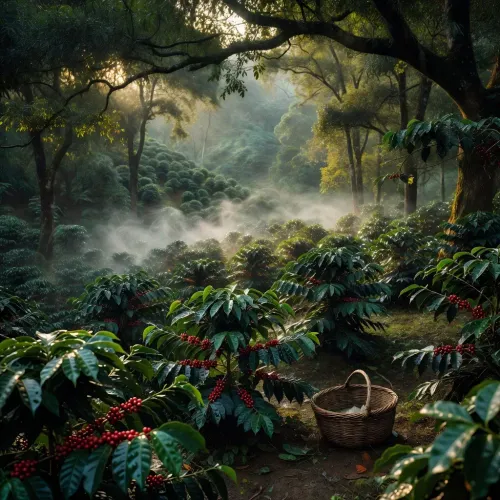
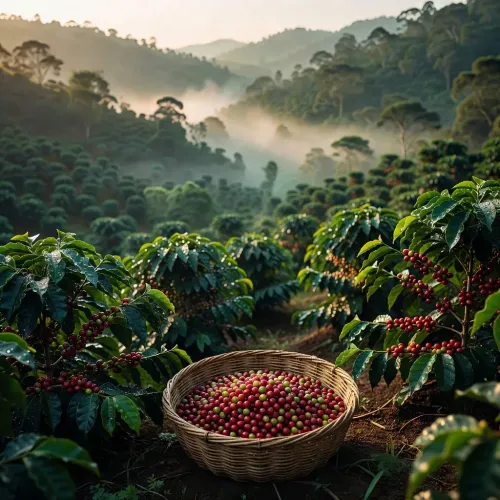
Coffee is already grown commercially in parts of northeast India, and the region's altitude, rainfall patterns, and forest canopy can, in principle, support both Arabica and Robusta varieties. The 'Hills to Cup' framing itself suggests a vision that stretches from farm cultivation all the way to branded, tourism-linked retail — the kind of value chain that has worked for Sikkim's organic brand and Meghalaya's specialty produce.
What the workshop was built to do
Rather than a top-down scheme rollout, the Itanagar workshop was designed as an evidence-gathering and capacity-building session — getting farmers and aspiring entrepreneurs into the same room as experts who understand agronomy, processing, and market linkages. That format signals an early-stage policy intent: consult first, legislate or fund later.
For Arunachal Pradesh, where agriculture remains a primary livelihood for a large share of the population and where integrating new cash crops requires navigating complex land-tenure and community-ownership norms, this consultative approach matters. Coffee, if it takes root, could offer smallholders a high-value, low-volume crop that pairs naturally with the state's push to grow agri-tourism.
The next measure of seriousness will be whether the workshop produces a concrete roadmap — pilot zones, extension-service support, market-linkage agreements — or remains a well-intentioned conversation. Either way, the state government has now publicly staked its interest, and the clock on farmer expectations has started.
Point of View
High-value crops to diversify farm income beyond traditional staples and paddy. By explicitly linking coffee to tourism — one of Arunachal Pradesh's fastest-growing economic sectors — Khandu is attempting a dual-dividend strategy that could attract private investment without requiring large public outlays upfront. The consultative, expert-led format also insulates the government from over-promising; success will depend on whether this translates into extension support, cold-chain logistics, and market linkages rather than staying a well-photographed workshop. For Khandu personally, championing a aspirational new commodity is a politically smart move that appeals to both the farming base and the entrepreneurial youth demographic.
NationPress
4 Oct 2026
Frequently Asked Questions
What is the 'Hills to Cup' coffee workshop in Arunachal Pradesh?
The 'Hills to Cup' Coffee Workshop was held in Itanagar on October 4, 2026, organised by the Arunachal Pradesh government to explore coffee farming as a livelihood opportunity for local farmers and entrepreneurs.
Why is Arunachal Pradesh promoting coffee cultivation?
The state government sees coffee as a high-value crop that can benefit from rising tourist footfall and India's expanding coffee culture, helping smallholder farmers diversify income.
Can coffee be grown in Arunachal Pradesh?
Yes — Arunachal Pradesh's altitude, rainfall, and forest canopy are considered suitable for both Arabica and Robusta coffee varieties, similar to other northeast Indian states.
What did Pema Khandu say about coffee farming?
CM Pema Khandu said that growing tourism and a rising coffee consumption culture make coffee 'an exciting new opportunity' for Arunachal Pradesh's farmers and aspiring entrepreneurs.
How does coffee connect to tourism in Arunachal Pradesh?
The 'Hills to Cup' framing suggests a value chain where locally grown coffee is branded and sold to tourists visiting the state, linking agriculture directly to the hospitality economy.