CM Pema Khandu launches ₹50L plastic waste MRF in Tawang
Synopsis
Arunachal Pradesh CM Pema Khandu on 27 June 2026 announced a ₹50 lakh plastic waste Material Recovery Facility at Lhou in Tawang district, funded under PMKKKY and to be operated by the Himalayan Indigenous Youth Organisation, marking a step toward scientific waste management in the ecologically sensitive border region.
Key Takeaways
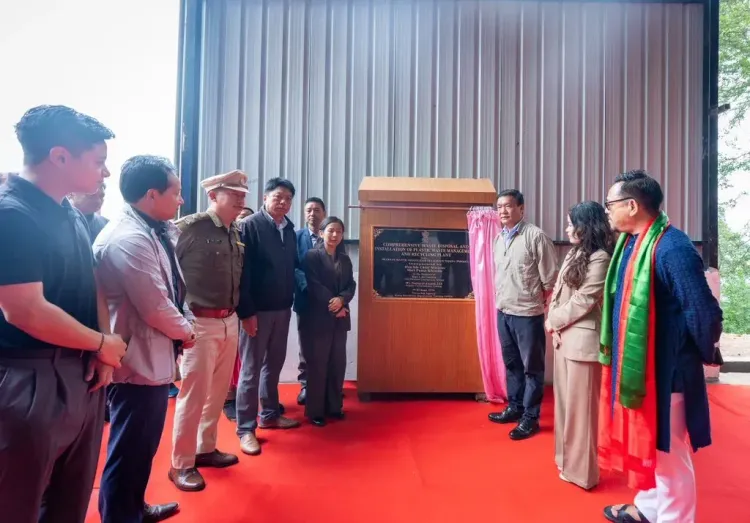
Arunachal Pradesh CM Pema Khandu announced the Comprehensive Waste Disposal and Plastic Waste Management and Recycling Project at Lhou, Jang Sub-Division, Tawang on 27 June 2026 .
The project is funded at ₹50 lakh under Pradhan Mantri Khanij Kshetra Kalyan Yojana (PMKKKY) , which channels district mineral foundation royalties into local welfare infrastructure.
A modern Material Recovery Facility (MRF) will collect, segregate, recover, and recycle plastic and other waste scientifically.
The project was implemented by the Water Resources Department and will be operated by the Himalayan Indigenous Youth Organisation (HIYO) , a local NGO.
The initiative aligns with the Swachh Bharat Mission and national Extended Producer Responsibility rules tightened since 2021 .
Tawang 's ecologically sensitive terrain and tourism economy make plastic waste management a priority for the state government.
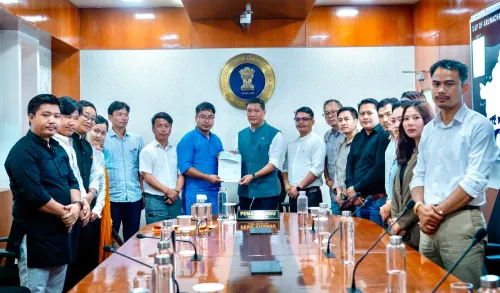
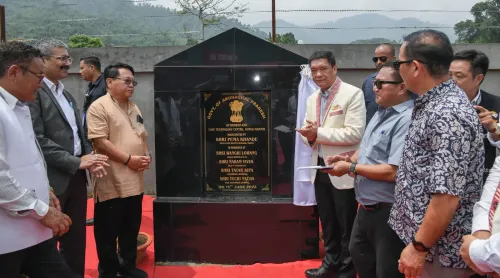
Arunachal Pradesh Chief Minister Pema Khandu on Saturday, 27 June 2026, announced the launch of a Comprehensive Waste Disposal and Plastic Waste Management and Recycling Project at Lhou, Jang Sub-Division in Tawang district, developed under the Pradhan Mantri Khanij Kshetra Kalyan Yojana (PMKKKY) with an investment of ₹50 lakh. The facility is designed to bring scientific waste management infrastructure to a region that has long grappled with rising plastic pollution.
Context
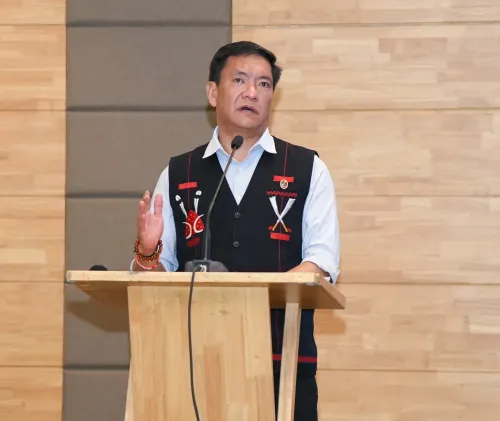
Announcing the project on social media, CM Khandu wrote that 'for too long, plastic waste has been a growing challenge,' and described the new facility as 'another important tool' in the state's efforts to tackle the problem. At the core of the project is a modern Material Recovery Facility (MRF) designed to collect, segregate, recover, and recycle waste efficiently. The project has been implemented by the Water Resources Department of Arunachal Pradesh and will be operated by the Himalayan Indigenous Youth Organisation (HIYO), a local non-governmental body active in community-based environmental work in the state.
Policy Backdrop
PMKKKY, notified in 2015, channels funds from District Mineral Foundations — royalties collected from mining operations — into local welfare and infrastructure projects in mining-affected areas. Tawang district falls within the ambit of such allocations, and the ₹50 lakh investment at Lhou reflects a broader national push to direct these funds toward plastic and solid waste infrastructure. The project also aligns with the Swachh Bharat Mission, launched in 2014, which set the framework for scientific solid waste processing across urban and rural India.
Since 2021, the central government has progressively tightened Extended Producer Responsibility rules and phased out several categories of single-use plastics, placing greater pressure on states to build ground-level collection and recycling capacity. Arunachal Pradesh, with its ecologically sensitive terrain, limited landfill capacity, and growing footfall in border tourism circuits such as Tawang, has prioritised decentralised MRF infrastructure under both Swachh Bharat and district mineral foundation windows — a pattern seen across other northeastern and Himalayan states.
Stakeholders and Impact
The most immediate beneficiaries are residents of Lhou and the broader Jang Sub-Division, who will gain access to structured waste collection and segregation services for the first time. By entrusting operations to HIYO, the project channels employment and capacity-building into local indigenous youth, embedding community ownership into the facility's long-term sustainability. Tawang is a high-altitude border district with significant tribal populations and a tourism economy that has historically generated plastic leakage into rivers and ecologically fragile zones.
The MRF model — where waste is sorted and materials are recovered for recycling rather than landfilled or burned — reduces downstream pollution and can generate revenue from recovered materials, potentially making the facility financially self-sustaining over time.
What's Next
Observers will watch whether the state issues further tenders for additional MRFs under the same PMKKKY allocation window, particularly in other ecologically sensitive sub-divisions of Arunachal Pradesh. Enforcement of plastic bans within Tawang's tourist circuits will be a key measure of how effectively the new infrastructure translates into reduced plastic pollution on the ground. The operational performance of HIYO in running the Lhou facility will also serve as a template for community-managed waste projects elsewhere in the northeast.
Point of View
The Arunachal Pradesh government is hedging against the maintenance failures that have plagued similar facilities elsewhere in India. The move also carries political salience: Tawang is a strategically sensitive border district, and visible developmental activity there reinforces the state's narrative of integrating remote frontier communities into mainstream governance. Whether the facility delivers on its promise will depend heavily on HIYO's operational capacity and sustained state support — two variables that remain to be tested.
NationPress
25 Sept 2026
Frequently Asked Questions
What is the plastic waste project launched by Pema Khandu in Tawang?
CM Pema Khandu launched the Comprehensive Waste Disposal and Plastic Waste Management and Recycling Project at Lhou in Jang Sub-Division, Tawang, featuring a Material Recovery Facility to collect, segregate, and recycle plastic waste, funded at ₹50 lakh under PMKKKY.
What is PMKKKY and how does it fund waste projects?
PMKKKY, or Pradhan Mantri Khanij Kshetra Kalyan Yojana, is a central scheme notified in 2015 that directs funds from District Mineral Foundations — royalties from mining operations — into local welfare and infrastructure projects, including waste management facilities, in mining-affected districts.
Who will operate the Lhou Material Recovery Facility in Tawang?
The Himalayan Indigenous Youth Organisation (HIYO), a local NGO active in community-based environmental work in Arunachal Pradesh, will operate the Lhou MRF, while the project was implemented by the state's Water Resources Department.
What is a Material Recovery Facility and how does it help reduce plastic pollution?
A Material Recovery Facility (MRF) is an infrastructure unit that collects, sorts, and segregates waste so that recyclable materials — including plastics — can be recovered and sent for recycling rather than being landfilled or burned, reducing environmental pollution.
Why is plastic waste management important in Tawang, Arunachal Pradesh?
Tawang is an ecologically sensitive high-altitude border district with growing tourism, which has historically led to plastic leakage into rivers and fragile ecosystems. Limited landfill capacity and the district's biodiversity make scientific waste management infrastructure especially critical.