CM Majhi: 99% Telecom Restored in Cyclone-Hit Ganjam
Synopsis
Odisha CM Mohan Charan Majhi announced on November 1, 2026 that telecom connectivity has been restored in 99% of blocks in cyclone and flash-flood-hit Ganjam district, with Brahmapur and four other centres reaching full 100% restoration.
Key Takeaways
99% of blocks in Ganjam district have had telecom connectivity restored after Cyclone Arnab and subsequent flash floods.
Five centres — Brahmapur, Bhanjanagar, Ganjam, Chhatrapur, and Khallikote — have achieved 100% service restoration .
The restoration was achieved through coordinated efforts of the Odisha government, BSNL, and private telecom providers .
Mission-mode operations are continuing to restore full connectivity in the remaining affected areas.
CM Majhi declared providing reliable communication and emergency support to every citizen the government's 'highest priority' in the post-disaster period.
Odisha has a long history of prioritising rapid telecom restoration after disasters, dating to protocols strengthened after the 1999 super cyclone .
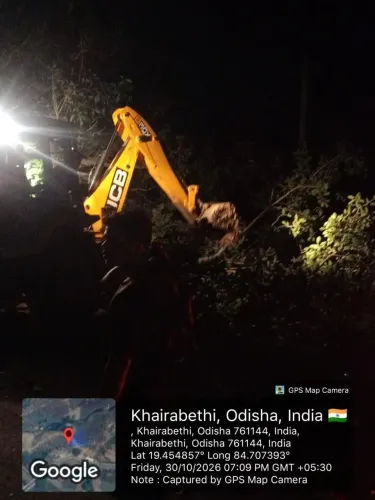
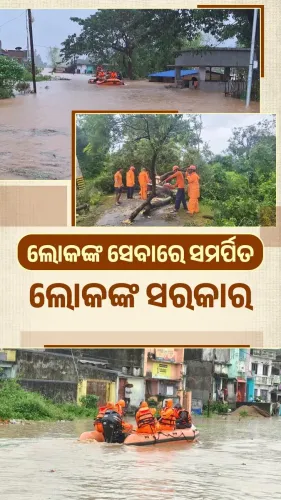
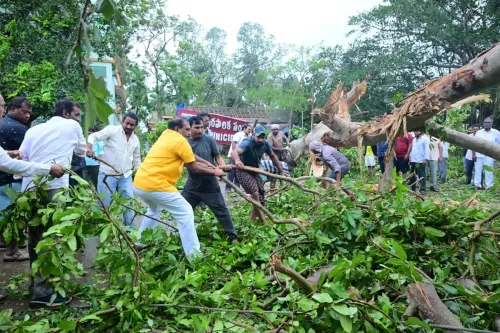
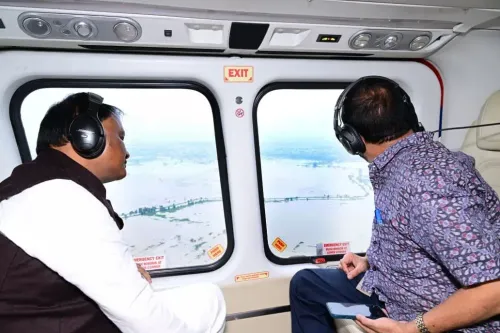
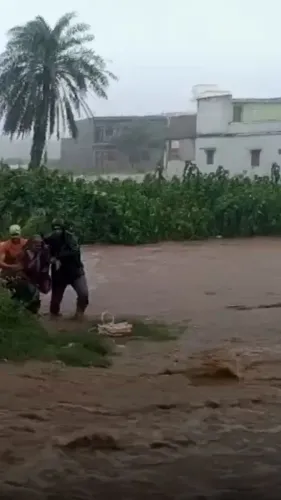
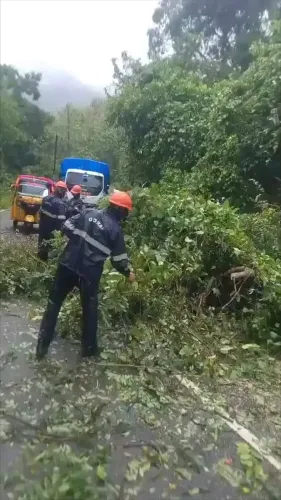
When a cyclone tears through Odisha's southern coast, the first casualty is often the one thing people need most — a working phone line. Odisha Chief Minister Mohan Charan Majhi announced on Sunday, November 1, 2026 that telecom connectivity has been restored across 99% of blocks in Ganjam district, battered by Cyclone Arnab and the flash floods that followed.
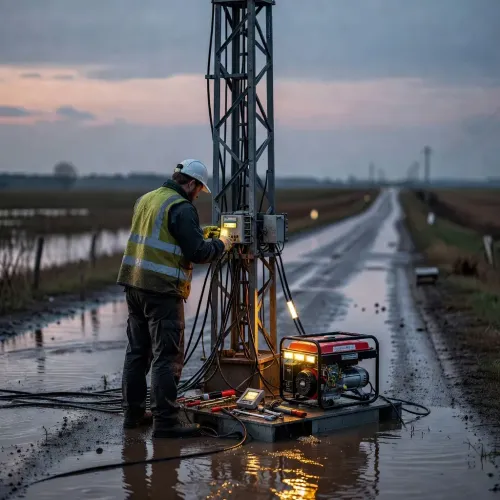
The CM posted in Odia and English, crediting a coordinated push by state administration, BSNL, and private telecom service providers. Five major centres have already crossed the finish line: Brahmapur, Bhanjanagar, Ganjam, Chhatrapur, and Khallikote — all reporting 100% service restoration. For the remaining pockets still without full signal, Majhi said 'mission-mode operations' are underway.
Ganjam's Recurring Frontline with Cyclones
Ganjam sits squarely in the Bay of Bengal's cyclone corridor, making it one of Odisha's most repeatedly battered coastal districts. The state has hardened its disaster-response muscle over decades — beginning with the catastrophic 1999 super cyclone, then reinforced again after Cyclone Fani in 2019, when the Odisha government worked alongside BSNL to limit communication blackouts that had complicated relief distribution in earlier storms.
That institutional memory is visible in the current response. Restoring telecom early is not just about convenience — it is a logistics lever. Relief coordinators, stranded families, and emergency responders all depend on a functioning network to reach each other. A silent mobile tower in a flood zone is a compounded crisis.
BSNL's Critical Role in the Last Mile
In India's disaster-recovery playbook, BSNL — the state-owned telco — consistently anchors connectivity restoration in rural and semi-urban zones where private operators have thinner infrastructure. After Cyclone Arnab, the public-private coordination model appears to have delivered results at speed, with the majority of Ganjam's blocks reconnected before the first week ended.
CM Majhi's statement frames the effort in unambiguous terms: 'ensuring reliable communication facilities and essential assistance to every citizen in this post-disaster period is our government's highest priority.' The focus now shifts to the remaining disconnected areas, where terrain and damage severity typically make the final percentage points the hardest to close.
Point of View
A style Odisha has cultivated since the 1999 super cyclone. By foregrounding BSNL alongside private providers, the state also reinforces the political salience of public-sector infrastructure in rural resilience. For the BJP-led government, demonstrating operational competence in disaster response serves a dual purpose: genuine service delivery and a counter-narrative to any perception of post-disaster drift. The real test arrives in the final mile — restoring the remaining disconnected pockets, where terrain and damage severity historically resist fast fixes.
NationPress
1 Nov 2026
Frequently Asked Questions
What is the current telecom status in Ganjam district after Cyclone Arnab?
As of November 1, 2026, telecom connectivity has been restored in 99% of blocks in Ganjam district. Brahmapur, Bhanjanagar, Ganjam, Chhatrapur, and Khallikote have achieved 100% restoration, with mission-mode work ongoing in remaining areas.
Which areas in Ganjam have achieved 100% telecom restoration?
Brahmapur, Bhanjanagar, Ganjam, Chhatrapur, and Khallikote have all achieved 100% telecom service restoration following Cyclone Arnab and associated flash floods.
What role did BSNL play in restoring connectivity in Ganjam?
BSNL worked in coordination with the Odisha state administration and private telecom service providers to restore the network. As a state-owned telco, BSNL is often central to disaster-recovery connectivity in rural and semi-urban zones.
How does Odisha handle telecom restoration after cyclones?
Odisha has strengthened disaster-management protocols since the 1999 super cyclone, consistently prioritising rapid restoration of communication links through coordinated state-BSNL-private operator efforts, as was also done after Cyclone Fani in 2019.
What did CM Mohan Charan Majhi say about Ganjam relief?
CM Majhi stated that providing reliable communication and essential assistance to every citizen in the post-disaster period is the government's highest priority, and confirmed mission-mode operations to achieve full restoration across all remaining areas.