Odisha CMO Pushes Mission-Mode Telecom Restore in Ganjam
Synopsis
The Odisha CMO has placed telecom restoration in cyclone-and-flood-hit Ganjam district on a mission-mode footing, with 21 blocks reconnected by October 31 evening and a government deadline of November 1 for 100 percent connectivity across all remaining 17 blocks served by BSNL, Jio, and Airtel.
Key Takeaways
21 blocks in Ganjam district had telecom services successfully restored by 5:00 PM on October 31 .
17 blocks remain affected: 2 under BSNL , 8 under Jio , and 7 under Airtel , with restoration work continuing on a war footing.
All telecom operators have been given a hard government deadline of November 1 evening for 100 percent connectivity normalisation.
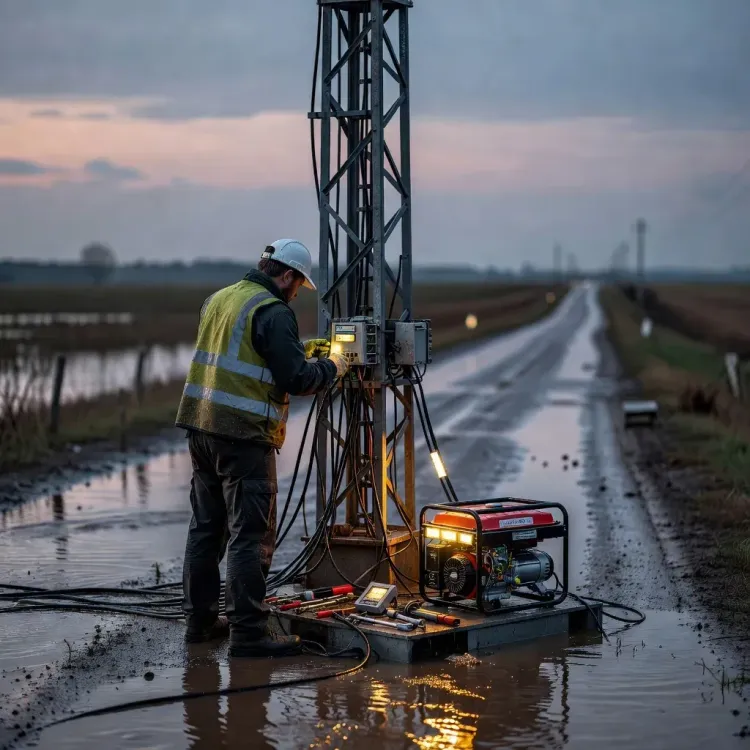
Submerged BTS towers, batteries, power plants, and diesel generator sets will be reactivated as floodwaters recede.
The Odisha state government is conducting continuous monitoring and real-time coordination with all three operators simultaneously.
Odisha's structured telecom-first disaster response traces its institutional roots to reforms following the devastating 1999 super cyclone .
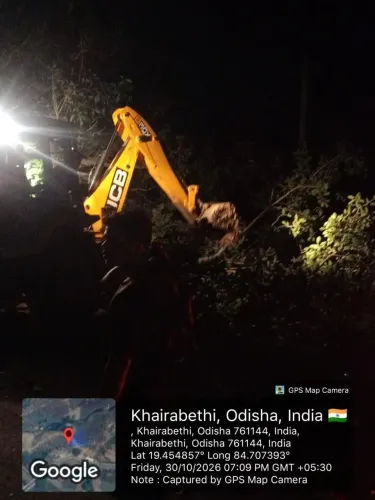
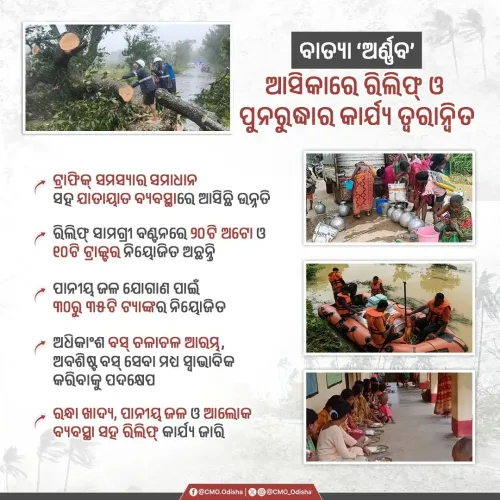
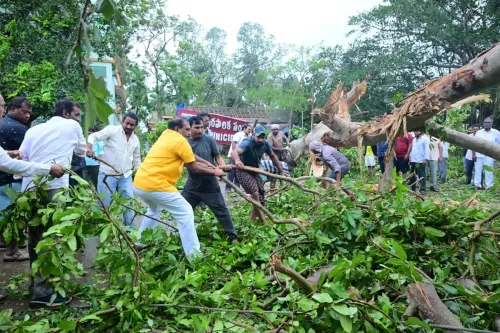
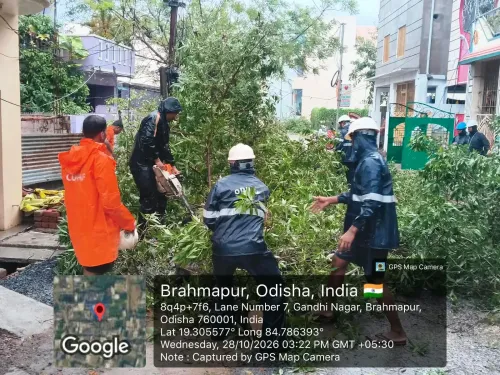
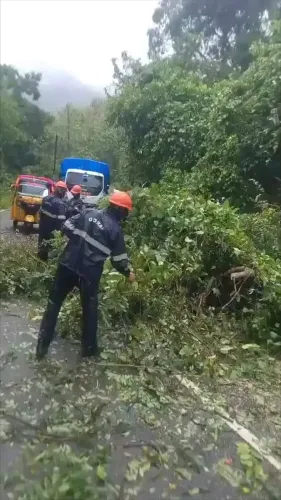
When a cyclone and flash floods tear through Ganjam district, the first thing survivors reach for is a phone — and right now, not every call is going through. The Chief Minister's Office of Odisha confirmed on Saturday, October 31 that the state government has conducted a high-level review of telecom restoration efforts in the cyclone-and-flood-hit district, accelerating work on a mission-mode footing to reconnect thousands of affected residents.
21 Blocks Back Online by 5 PM — 17 Still Racing the Clock
By 5:00 PM on October 31, telecom services had been successfully restored across 21 blocks of Ganjam district, a result the CMO attributed directly to the government's 'direct supervision and swift action.' But the job is far from done. Across the remaining affected areas, BSNL is still working to restore connectivity in 2 blocks, Jio in 8 blocks, and Airtel in 7 blocks — a combined total of 17 blocks where residents remain cut off or on degraded service.
The CMO's statement described the ongoing effort as being conducted on a 'war footing' — a phrase that signals the urgency the state administration is placing on this recovery. All operators have been given clear instructions to activate submerged Base Transceiver Stations (BTS), batteries, power plants, and diesel generator sets as floodwaters recede, with a hard deadline of the evening of November 1 to achieve 100 percent connectivity normalisation across all areas.
Ganjam's Recurring Battle with Coastal Disasters
Ganjam sits on Odisha's southern coastline, directly in the path of cyclones that churn off the Bay of Bengal. The district has been battered repeatedly over the decades, and Odisha's disaster management architecture was fundamentally reshaped after the catastrophic 1999 super cyclone — one of the deadliest in Indian history — exposed how quickly communication blackouts can compound a humanitarian crisis. Since then, the state has treated telecom restoration not as an afterthought but as a first-response priority alongside rescue and relief.
That institutional memory is visible in today's response: a structured, operator-by-operator accounting of which blocks are restored and which are not, with named deadlines and direct government coordination with BSNL, Jio, and Airtel simultaneously. The CMO confirmed that the government is maintaining continuous monitoring of the entire process and coordinating with all service providers in real time.
Why Connectivity Is the First Lifeline
In a flood emergency, a working phone line is the difference between a family stranded on a rooftop getting a rescue boat and not. It is how relief workers coordinate, how families confirm safety, how officials track which villages are still submerged. The CMO's statement closed with an unambiguous commitment: 'ପ୍ରାକୃତିକ ବିପର୍ଯ୍ୟୟ ସମୟରେ ପ୍ରଭାବିତ ଜନସାଧାରଣଙ୍କ ନିକଟରେ ଯୋଗାଯୋଗ ସୁବିଧା ପହଞ୍ଚାଇବା ପାଇଁ ରାଜ୍ୟ ସରକାର ସମ୍ପୂର୍ଣ୍ଣ ପ୍ରତିଶ୍ରୁତିବଦ୍ଧ' — 'The state government is fully committed to ensuring communication facilities reach affected people during natural disasters.'
With floodwaters still receding and submerged telecom equipment being assessed block by block, November 1 evening is now the moment of reckoning — the deadline by which Odisha's government has staked its word on full connectivity returning to every corner of storm-hit Ganjam.
Point of View
Block-by-block public accounting of telecom restoration reflects a matured disaster-communication doctrine — one that treats connectivity as infrastructure on par with roads and power. By issuing a named, public deadline of November 1 for full normalisation, the CMO's office is applying accountability pressure on private operators like Jio and Airtel, not just the state-owned BSNL. This approach — high-level review, mission-mode framing, and transparent progress reporting — fits a broader pattern of Odisha positioning itself as a national benchmark in disaster governance. The real test, however, will be whether the November 1 deadline holds once ground teams confront still-submerged equipment.
NationPress
1 Nov 2026
Frequently Asked Questions
How many blocks in Ganjam have telecom restored after the cyclone and flood?
As of 5:00 PM on October 31, telecom services were restored in 21 of Ganjam district's blocks. Work is ongoing in 17 remaining blocks across BSNL, Jio, and Airtel networks.
When will full telecom connectivity return to Ganjam district?
The Odisha government has directed all telecom operators to achieve 100 percent connectivity normalisation across Ganjam by the evening of November 1.
Which telecom operators are working to restore services in Ganjam?
BSNL is restoring services in 2 blocks, Jio in 8 blocks, and Airtel in 7 blocks, all under direct government coordination and monitoring.
Why is Ganjam district so frequently affected by cyclones and floods?
Ganjam is a coastal district in southern Odisha situated along the Bay of Bengal, making it highly vulnerable to cyclones and the associated flash flooding that disrupts infrastructure including telecom networks.
What is 'mission mode' telecom restoration in Odisha's disaster response?
Mission mode means the government conducts high-level reviews, sets hard deadlines, coordinates simultaneously with all operators, and monitors progress continuously — treating telecom restoration as a critical emergency priority alongside rescue and relief.