CM Majhi Backs GOBARdhan's ₹23,731 Cr Cabinet Nod
Synopsis
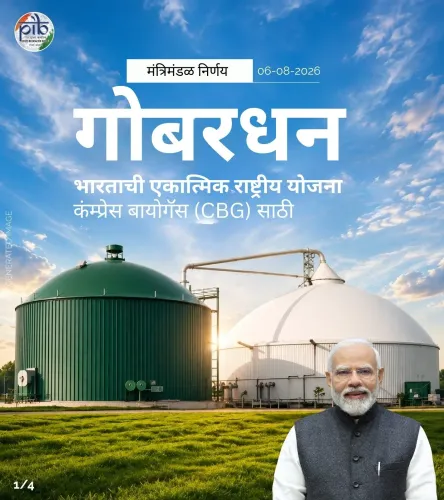
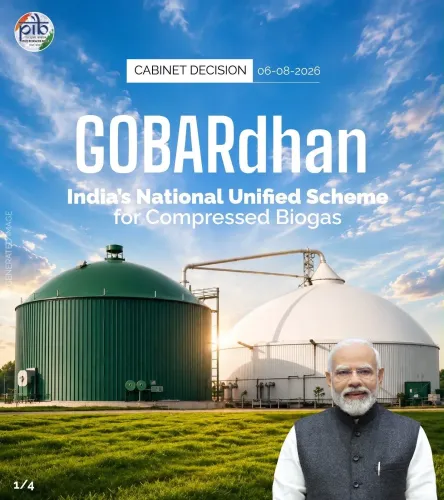
Odisha Chief Minister Mohan Charan Majhi has welcomed the Union Cabinet's approval of the GOBARdhan initiative with a ₹23,731 crore outlay, calling it a landmark step for rural livelihoods, green entrepreneurship, and India's clean energy goals under PM Narendra Modi.
Key Takeaways
The Union Cabinet approved the GOBARdhan initiative with an outlay of ₹23,731 crore .
Odisha CM Mohan Charan Majhi publicly endorsed the decision on 6 August 2026 , crediting PM Modi's leadership.
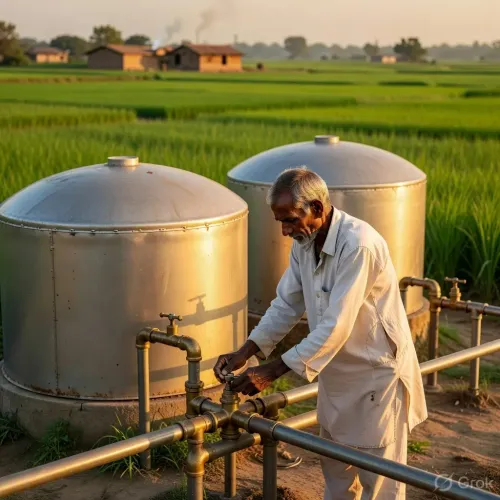
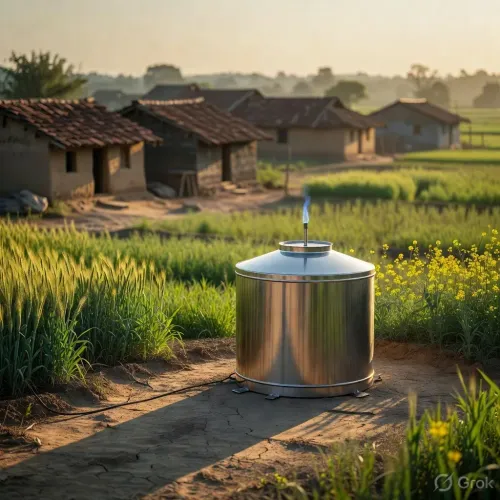
GOBARdhan converts cattle dung and organic waste into biogas, bio-fertiliser, and bio-CNG, targeting rural income and clean energy goals.
The scheme was first launched in April 2018 under the Swachh Bharat Mission-Gramin and is now being scaled with major new funding.
Key beneficiaries include rural farmers and bio-energy entrepreneurs , with Odisha's large agrarian base making it a significant potential recipient.
A ₹23,731 crore Cabinet approval for the GOBARdhan initiative has drawn warm endorsement from Odisha Chief Minister Mohan Charan Majhi, who called the decision a decisive push toward a cleaner, self-reliant India — one that turns cattle dung and organic waste into energy, income, and fertiliser for rural households.
Speaking on 6 August 2026, CM Majhi described the Union Cabinet's move as 'a commendable move towards building a cleaner, more resilient and self-reliant India,' expressing gratitude to Prime Minister Narendra Modi for what he called a 'visionary and development-oriented initiative.' The scheme, he said, would 'give a strong push to rural livelihoods, promote green entrepreneurship, support farmers, and convert organic waste into valuable resources.'
From Dung to Dividends: What GOBARdhan Actually Does
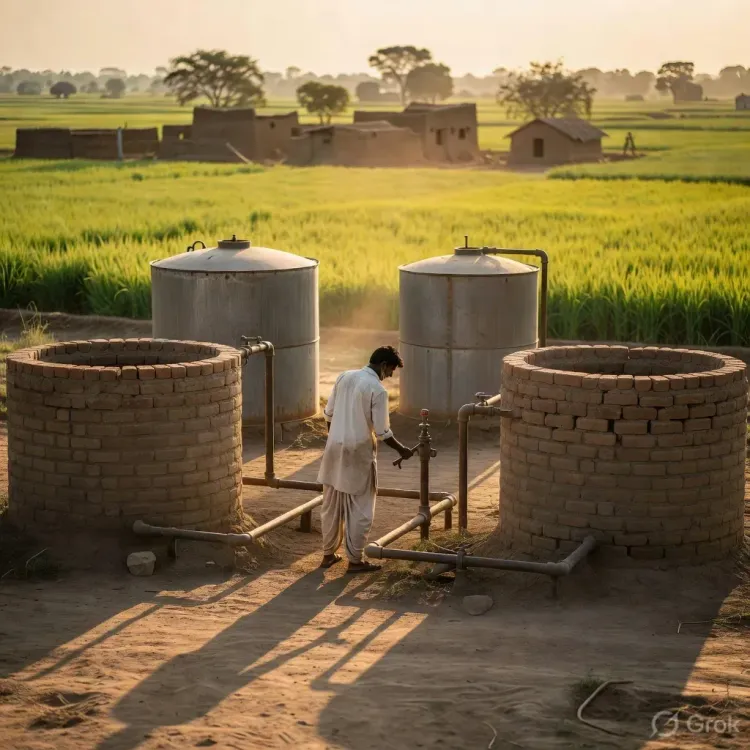
GOBARdhan — short for Galvanizing Organic Bio-Agro Resources Dhan — was first announced in the Union Budget 2018-19 and formally launched in April 2018 under the Swachh Bharat Mission-Gramin. Its core logic is elegantly simple: the livestock waste that clogs Indian villages and pollutes water bodies gets channelled into biogas plants, generating cooking fuel and electricity, while the residue becomes bio-fertiliser that cuts farmers' input costs. Waste becomes wealth. The circular economy, made village-scale. The new ₹23,731 crore outlay signals a significant scaling of that ambition — moving GOBARdhan from a pilot-era programme into a nationally funded infrastructure push. The scheme sits at the intersection of three of the government's stated priorities: rural income generation, clean energy transition, and the broader waste-to-wealth model that also underpins the National Biogas and Organic Manure Programme.Odisha's Stake in the Biogas Push
Odisha, with a large agrarian population and significant livestock density, stands to be a meaningful beneficiary if state-level project approvals and fund releases follow the Cabinet nod. CM Majhi, who took office in June 2024, has positioned his administration within the BJP's broader rural development and clean energy framework — and his swift public endorsement of the scheme signals intent to pursue Odisha's share of the outlay actively. The key variable now is implementation: how quickly state governments translate the central allocation into operational biogas units, and whether rural entrepreneurs and farmer groups have the technical support to run them sustainably. Biogas infrastructure has historically struggled with maintenance gaps at the village level — a challenge the expanded funding will need to directly address. For India's 150 million-plus farming families, the promise is tangible: lower energy bills, a new income stream from selling biogas or bio-CNG, and cheaper organic fertiliser — all from a resource they already have in abundance. The Cabinet has approved the vision. The villages will deliver the verdict.Point of View
731 crore allocation, if it materialises at scale, would represent one of the more substantial bets the government has placed on decentralised biogas infrastructure. The real test, however, lies downstream: GOBARdhan's earlier phases were marked by slow state-level uptake and maintenance failures, meaning this funding round must solve the last-mile problem, not just the capital one. For Odisha specifically, Majhi's vocal backing could translate into early project approvals — or remain a rhetorical gesture until state-level implementation plans are tabled.
NationPress
21 Sept 2026
Frequently Asked Questions
What is the GOBARdhan scheme in India?
GOBARdhan — Galvanizing Organic Bio-Agro Resources Dhan — is a central government programme that converts cattle dung and organic waste into biogas, bio-CNG, and bio-fertiliser. It was first launched in April 2018 under the Swachh Bharat Mission-Gramin to support village-level biogas plants and rural income generation.
How much money has the Cabinet approved for GOBARdhan in 2026?
The Union Cabinet approved an outlay of ₹23,731 crore for the GOBARdhan initiative, according to Odisha Chief Minister Mohan Charan Majhi's post on 6 August 2026.
What did Odisha CM Mohan Majhi say about GOBARdhan?
CM Majhi called the Cabinet approval 'a commendable move towards building a cleaner, more resilient and self-reliant India,' and said it would push rural livelihoods, green entrepreneurship, and clean energy goals. He also expressed gratitude to PM Narendra Modi for the initiative.
Who benefits from the GOBARdhan scheme?
The primary beneficiaries are rural farmers and bio-energy entrepreneurs. Farmers gain cheaper organic fertiliser and a potential income stream from selling biogas, while entrepreneurs can set up biogas and bio-CNG production units using livestock and agricultural waste.
What is the connection between GOBARdhan and Swachh Bharat Mission?
GOBARdhan was launched as part of the Swachh Bharat Mission-Gramin in 2018, linking village sanitation goals with renewable energy production by turning waste — particularly cattle dung — into a productive resource rather than a pollutant.