CM Majhi Calls World to Discover Odisha on Tourism Day
Synopsis
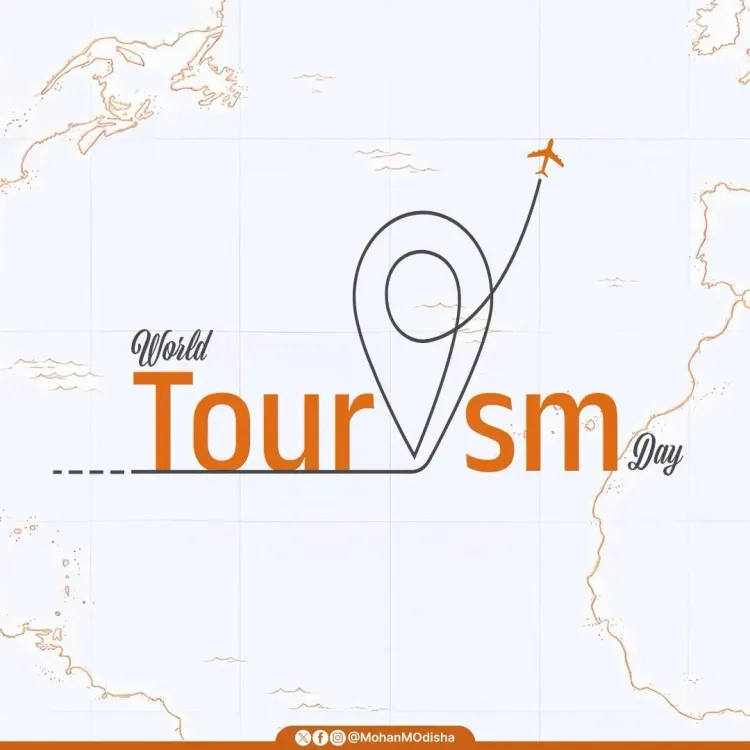
Odisha Chief Minister Mohan Charan Majhi marked World Tourism Day on 27 September by highlighting the state's cultural treasures — from Jagannath traditions and Odissi dance to Pattachitra art and tribal heritage — and calling on citizens to help position Odisha as a must-visit global destination.
Key Takeaways
World Tourism Day is observed annually on 27 September , established by the UN in 1980 .
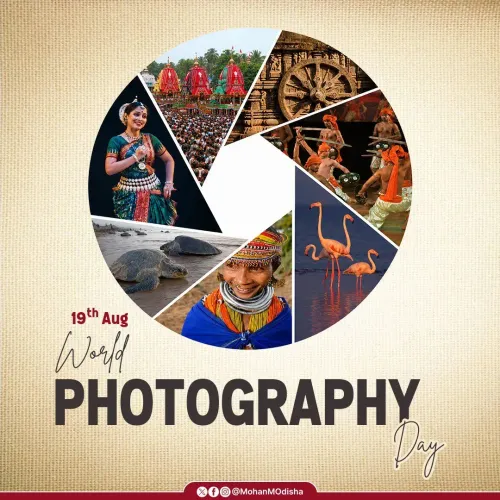
CM Mohan Charan Majhi invoked Mahaprabhu traditions, Odissi dance, Pattachitra art, and Dhemsa folk dance as Odisha's core tourism assets.
The message explicitly included tribal heritage alongside classical and religious traditions, signalling an inclusive cultural tourism vision.
The tagline 'Think India.
Think Odisha.' mirrors national tourism branding, staking Odisha's claim as a top-of-mind destination.
No new scheme or budget target was announced; the message is a public-diplomacy and awareness push on a global observance day.
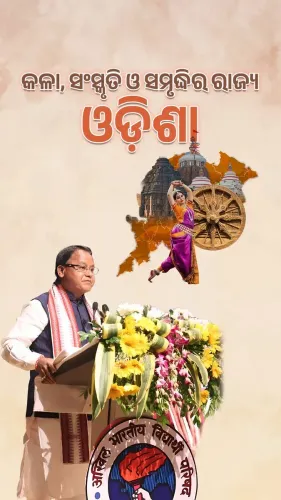
On World Tourism Day, 27 September, Odisha Chief Minister Mohan Charan Majhi issued a stirring invitation to the world — positioning the eastern state not merely as a tourist destination but as a living civilisation, one where tradition breathes in every dance, painting, and festival.
Mahaprabhu, Odissi, and the Pattachitra pitch
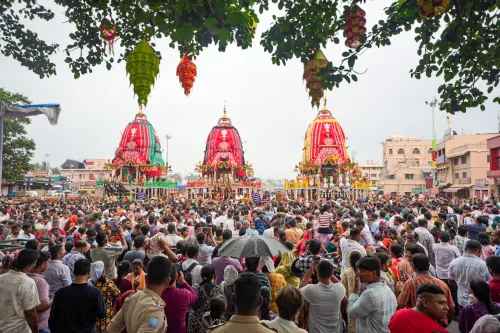
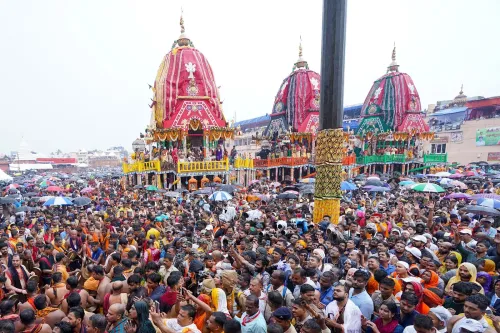
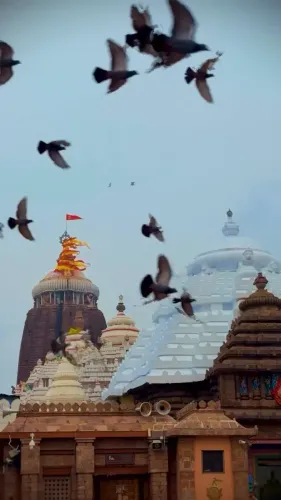
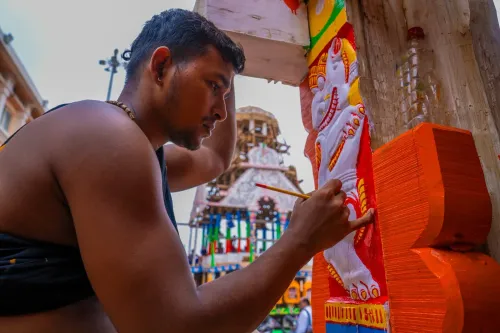
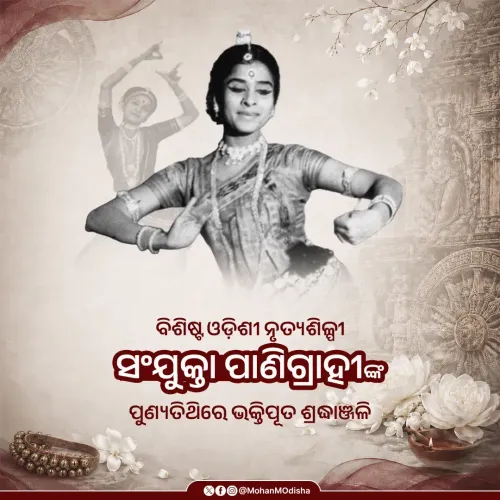
CM Majhi's message reached for specifics rather than slogans. He invoked the timeless traditions of Mahaprabhu — the Jagannath cult centred at Puri, one of the four sacred dhams of Hinduism — alongside the classical grace of Odissi dance and the intricate hand-painted scrolls of Pattachitra. He added the communal rhythms of Dhemsa, a tribal folk dance rooted in the daily life of Odisha's Adivasi communities, and the state's 'vibrant festivals and rich tribal heritage' to complete the canvas. 'Our identity is deeply rooted in a living cultural legacy,' he wrote, framing heritage not as a relic but as a living force.
'Think India. Think Odisha.' — the branding moment
Three words buried mid-message carry the real strategic weight: 'Think India. Think Odisha.' It is a deliberate echo of national tourism positioning, staking Odisha's claim as a first-thought destination rather than a footnote on India's travel map. Indian states routinely use World Tourism Day — the annual UN Tourism observance held every 27 September since 1980 — to amplify their cultural brand, but the Majhi message goes further, asking citizens to become active ambassadors: 'Let us take pride in this extraordinary heritage, preserve our natural and cultural treasures, and share the unique spirit of Odisha with the world.'
Tribal heritage as a tourism asset
The explicit mention of Odisha's tribal communities is notable. The state is home to one of India's largest concentrations of Scheduled Tribe populations, with distinct cultural traditions that range from the Kondhs to the Bonda people. By placing tribal heritage on the same cultural pedestal as classical Odissi and Jagannath devotion, the CM signals an inclusive tourism vision — one that reaches beyond temple circuits into forested hinterlands and living village traditions. Whether that vision is backed by fresh budget allocations or a formal festival calendar remains the question to watch as the state government's next policy cycle unfolds.
Odisha's ambition is clear: not a stopover, but a destination the world comes to 'discover, experience and cherish.' The next step is turning that aspiration into an itinerary.
Point of View
Which is unusual in mainstream tourism communication. The 'Think India. Think Odisha.' formulation is a direct bid to leverage national tourism sentiment for state-level gain. The real test will be whether promotional messaging translates into measurable infrastructure — better connectivity to heritage sites, artist welfare schemes, and eco-tourism corridors — in the next budget cycle. Without that follow-through, even the sharpest tagline stays a slogan.
NationPress
27 Sept 2026
Frequently Asked Questions
When is World Tourism Day celebrated?
World Tourism Day is celebrated every year on 27 September . It was established by the United Nations World Tourism Organization in 1980 to highlight the importance of tourism to global development.
What is Odisha famous for in terms of tourism?
Odisha is renowned for the Jagannath Temple in Puri, classical Odissi dance , intricate Pattachitra scroll paintings, the tribal folk dance Dhemsa , and one of India's richest concentrations of tribal cultural heritage.
What is Pattachitra art?
Pattachitra is a centuries-old tradition of hand-painted cloth scrolls from Odisha, depicting mythological stories and folk motifs using natural colours. It is a Geographical Indication (GI) tagged craft of the state.
What did Odisha CM Mohan Majhi say on World Tourism Day 2026?
CM Mohan Charan Majhi called Odisha 'a land where culture comes alive in every corner,' highlighted heritage assets including Mahaprabhu traditions, Odissi, Pattachitra, Dhemsa, and tribal culture, and urged citizens to help make Odisha 'a destination that the world comes to discover, experience and cherish.'
What is the 'Think India Think Odisha' slogan?
The phrase 'Think India. Think Odisha.' was used by CM Majhi in his World Tourism Day 2026 message as a branding statement, positioning Odisha as a first-thought destination when travellers consider India — drawing on national tourism sentiment to amplify the state's profile.