CM Dhami hails Modi's Mann Ki Baat spotlight on Uttarakhand border villages
Synopsis
Uttarakhand CM Pushkar Singh Dhami welcomed PM Modi's Mann Ki Baat episode 138 for spotlighting border villages Mana and Bagori in the new census rollout and praising the ODOP scheme's impact across all 13 Uttarakhand districts.
Key Takeaways
PM Narendra Modi highlighted Uttarakhand's border villages in the 138th episode of Mann Ki Baat on 27 September 2026 .
Purnima Rawat, 83 , of Mana village, Chamoli — India's first village — was enumerated first in the new census round.
Hardev Singh Rana , a homestay operator in Bagori, Uttarkashi , self-registered his census details digitally.
India's previous census was in 2011 ; the 2021 round was postponed due to COVID-19 .
The One District One Product (ODOP) scheme covers all 13 districts of Uttarakhand, boosting local artisans and mountain-economy products.
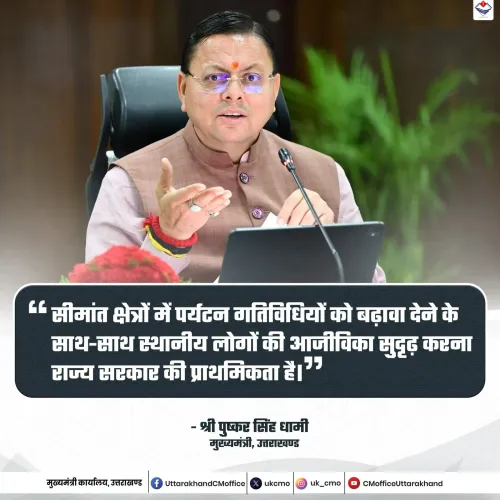
CM Dhami called the Prime Minister's mention of Uttarakhand's border citizens 'a matter of pride' for the state.
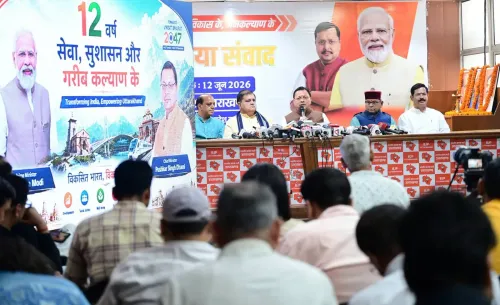
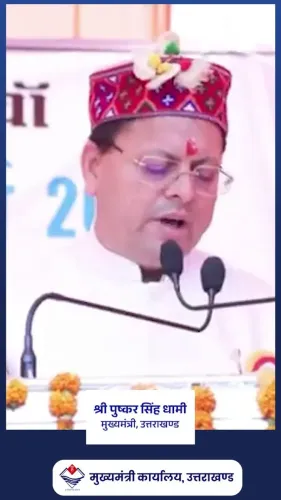
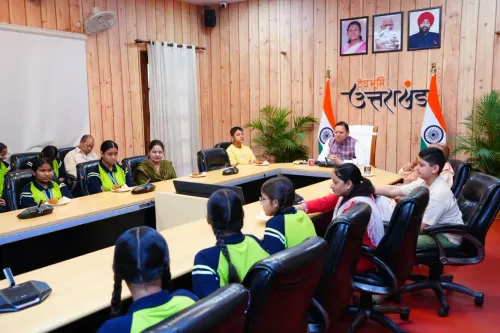
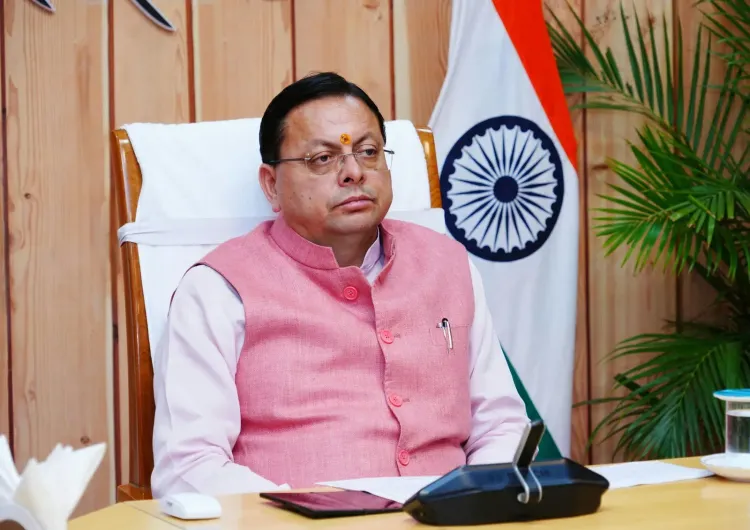
A 83-year-old woman in Mana village and a homestay owner in Bagori filing his own census form online — these are the images Prime Minister Narendra Modi chose to hold up to the nation on Sunday, 27 September 2026, in the 138th episode of Mann Ki Baat. Uttarakhand Chief Minister Pushkar Singh Dhami, listening from his official residence, called the moment a matter of pride for the entire state.
Mana and Bagori: border villages on national radio
Mana, a hamlet in Chamoli district perched near the China border, has long carried the title of India's first village — the last settlement before the frontier. It was here that Smt. Purnima Rawat, 83, was recorded as the first citizen to be enumerated in the new census round, a symbolic gesture that placed the nation's outermost edge at the very beginning of the count.
Equally striking was the story from Uttarkashi's Bagori village, where homestay operator Shri Hardev Singh Rana skipped the enumerator altogether and registered his own details digitally. A mountain-district resident, a personal device, a government portal — and done. CM Dhami noted that this reflects how 'Devbhoomi's border villages are continuously connecting with modern technology and a new wave of development.'
The long-delayed Census finds its symbolic start
India's last full census was conducted in 2011. The round originally scheduled for 2021 was deferred due to the COVID-19 pandemic, leaving a more than decade-long gap in the country's foundational demographic data. The commencement of enumeration — beginning, pointedly, in a Himalayan border village rather than a metropolitan centre — signals both the political and administrative significance attached to finally restarting the exercise.
The choice of Mana as the census launch point is not arbitrary. Successive governments have prioritised Himalayan border districts as symbols of integrated nationhood, combining connectivity drives, infrastructure push, and now digital governance tools to demonstrate that the frontier is not peripheral — it is central.
ODOP's role in reshaping Uttarakhand's hill economy
Modi also used the broadcast to highlight the One District One Product (ODOP) scheme, which CM Dhami says is delivering tangible results across all 13 districts of Uttarakhand. The scheme — which originated in Uttar Pradesh in 2018 before being rolled out nationally — identifies one signature local product per district and works to give it market access, branding support, and a wider commercial platform.
For a state whose economy is heavily shaped by terrain and tradition, ODOP is more than a branding exercise. It translates into new income streams for artisans, farmers, and small producers whose goods — from Kedarnath valley herbs to Munsiari rajma — have historically struggled to reach buyers beyond local haats. Dhami framed the Prime Minister's mention as validation: 'Our traditional products, local skills, and the mountain economy are gaining fresh momentum.'
Border villages holding up digital census forms, an octogenarian opening the national count, a homestay owner in Uttarkashi conducting his own e-registration — if these images stick, they rewrite the story of who India's development is actually reaching.
Point of View
A border resident going digital — fits a deliberate pattern of using symbolic geography to reinforce the narrative of seamless national integration. For CM Dhami, the shoutout is political capital: it ties his administration's governance record to the Prime Minister's national broadcast. The restart of India's long-delayed census is itself a significant governance event, and anchoring it in a Himalayan border hamlet signals that the exercise will carry cultural and security-adjacency messaging alongside raw demographic utility. The ODOP mention adds an economic dividend angle, suggesting the Centre wants Uttarakhand's mountain products to feature in the next round of scheme success stories ahead of likely buyer-seller events.
NationPress
27 Sept 2026
Frequently Asked Questions
What did PM Modi say about Uttarakhand in Mann Ki Baat episode 138?
PM Modi highlighted Uttarakhand's border villages in the 138th Mann Ki Baat episode, mentioning that the new census round began with 83-year-old Smt. Purnima Rawat in Mana village, Chamoli, and praising Bagori resident Hardev Singh Rana for digitally self-registering his census details. He also referred to the One District One Product (ODOP) scheme's impact in the state.
Why is Mana village called India's first village?
Mana, in Chamoli district of Uttarakhand, is called India's first village because it is one of the last inhabited settlements before the China border in that region, making it a symbolic frontier community.
What is the One District One Product (ODOP) scheme?
ODOP is a central government initiative that identifies one signature local product per district to give it market access, branding, and a wider commercial platform. It originated in Uttar Pradesh in 2018 and was later rolled out nationally; in Uttarakhand it covers all 13 districts.
When was India's last census conducted?
India's last full census was in 2011. The subsequent round planned for 2021 was postponed due to the COVID-19 pandemic, creating a more than decade-long gap in official demographic data.
What was CM Dhami's reaction to Mann Ki Baat episode 138?
CM Pushkar Singh Dhami, listening from his official residence, said PM Modi's praise for Uttarakhand's border citizens is 'a matter of pride,' and noted that border villages of Devbhoomi are continuously connecting with modern technology and development.