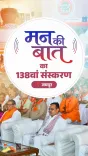
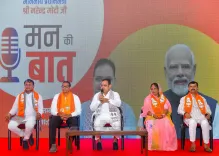
Jal Shakti Minister Paatil backs Jan Bhagidari cleanliness drive
Synopsis
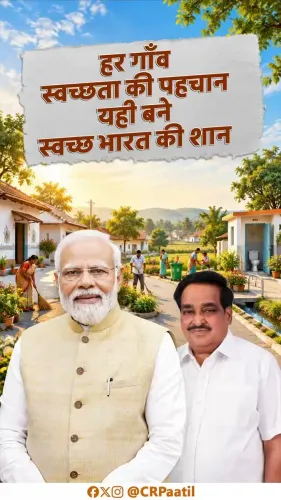
Union Jal Shakti Minister C. R. Paatil on 27 September 2026 invoked Mann Ki Baat to champion citizen-led Swachhata drives, reinforcing the Swachh Bharat Mission's core Jan Bhagidari philosophy.
Key Takeaways
Paatil , Union Minister of Jal Shakti, posted support for Jan Bhagidari-driven cleanliness on 27 September 2026 .
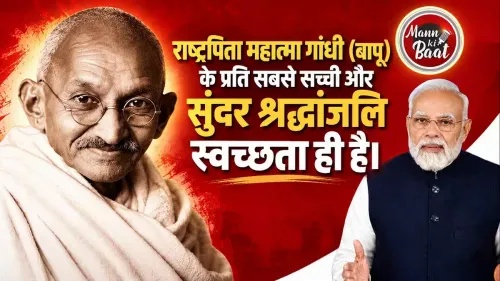
The post was tied to Mann Ki Baat , PM Modi's monthly radio address that has consistently promoted Swachhata drives.
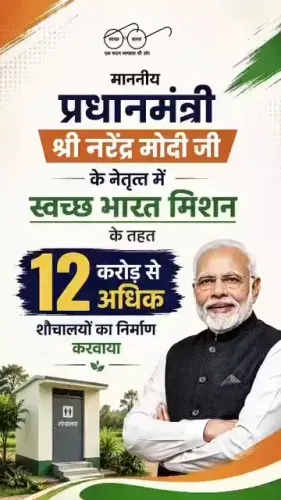
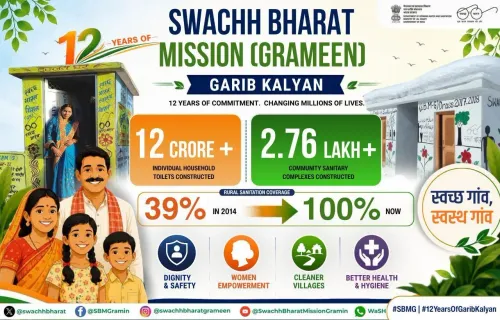
Swachh Bharat Mission was launched on 2 October 2014 to eliminate open defecation and improve national sanitation.
The Jal Shakti Ministry oversees rural sanitation, making Paatil a key stakeholder in sustaining mission gains.
Both rural households and urban local bodies are target communities for sustained behavioural change under the mission.
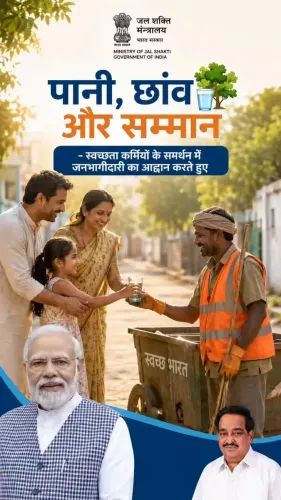
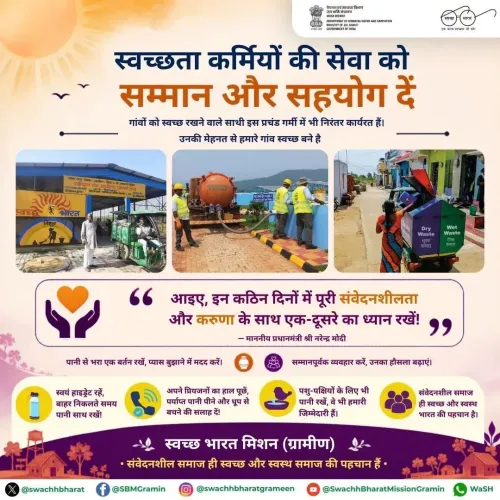
Citizen-led cleanliness — not government machinery alone — is the engine the Swachh Bharat Mission runs on, and Union Jal Shakti Minister C. R. Paatil drove that point home on Sunday, 27 September 2026, sharing a message on public participation in sanitation drives, anchored to Prime Minister Narendra Modi's Mann Ki Baat programme.
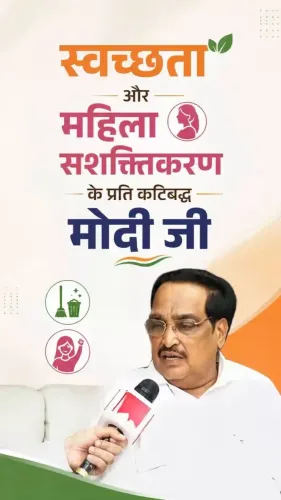
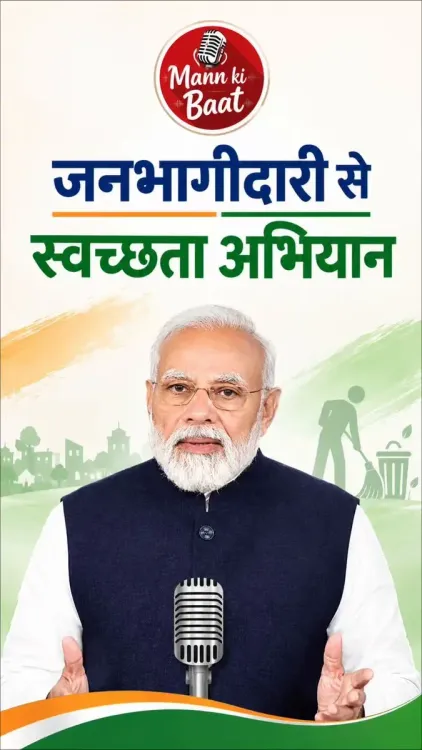
Paatil's post — 'जनभागीदारी से स्वच्छता अभियान!' ('Cleanliness drive through people's participation!') — is terse, but the weight behind it is substantial. It links one of India's most prominent Cabinet ministers on water and sanitation directly to the broader Jan Bhagidari philosophy that has animated Mann Ki Baat since its very first episodes.
Mann Ki Baat as a mobilisation tool for Swachh Bharat
Launched on 2 October 2014 — Gandhi Jayanti — the Swachh Bharat Mission set out to make India open-defecation free and to dramatically raise sanitation standards in both rural and urban areas. From the beginning, the government leaned on PM Modi's monthly radio address, Mann Ki Baat, as a low-cost, high-reach channel to keep citizens emotionally invested in the effort.
That formula has proven durable. Successive episodes of Mann Ki Baat have returned to Swachhata drives, spotlighting village-level champions, self-help groups, and local body officials who moved the needle without waiting for top-down directives. The Jal Shakti Ministry, which now houses rural sanitation under its mandate, has consistently echoed that framing.
Paatil's role and the Jal Shakti mandate
C. R. Paatil, a senior BJP leader and former Gujarat state president, oversees a ministry whose portfolio sits at the intersection of drinking water, river conservation, and rural sanitation — all areas where community behaviour change is arguably more decisive than infrastructure spend alone. His amplifying the Mann Ki Baat message signals that the ministry views citizen ownership not as a slogan but as operational strategy.
The approach matters especially in rural India, where urban local bodies and rural households must both sustain gains made since 2014 — construction of toilets means little without consistent use, and that consistency depends on exactly the kind of social norm-setting Mann Ki Baat has long tried to reinforce.
If the next episode of Mann Ki Baat carries follow-up data on Swachhata Abhiyan participation — or if upcoming parliamentary sessions surface fresh Jal Shakti budget allocations for sanitation — Paatil's post today will read as the opening note of a louder campaign. Clean India, the mission insists, is still unfinished business.
Point of View
The Jan Bhagidari framing is also a political hedge: it shifts credit for sanitation progress to citizens while deflecting blame for shortfalls onto community behaviour rather than policy design. The timing, just days before Gandhi Jayanti on 2 October — the mission's founding anniversary — suggests the post may preview a larger commemorative push. Watch for coordinated messaging from BJP state units and Jal Shakti field offices in the days ahead.
NationPress
27 Sept 2026
Frequently Asked Questions
What is Jan Bhagidari in the context of Swachh Bharat Mission?
Jan Bhagidari means 'people's participation' — the principle that citizens, not just government agencies, must drive cleanliness and sanitation behaviour for the Swachh Bharat Mission to succeed sustainably.
What did C. R. Paatil post about Mann Ki Baat?
On 27 September 2026, Union Jal Shakti Minister C. R. Paatil posted 'जनभागीदारी से स्वच्छता अभियान!' ('Cleanliness drive through people's participation!') with the Mann Ki Baat hashtag, endorsing citizen-led sanitation efforts.
What is Mann Ki Baat and why is it linked to Swachhata drives?
Mann Ki Baat is PM Narendra Modi's monthly radio programme discussing governance and public initiatives. It has repeatedly featured Swachhata drives to mobilise citizen action in support of the Swachh Bharat Mission.
When was Swachh Bharat Mission launched?
Swachh Bharat Mission was launched on 2 October 2014 — Gandhi Jayanti — with the goal of achieving open-defecation-free status and improved sanitation across rural and urban India.
What does the Jal Shakti Ministry have to do with sanitation?
The Jal Shakti Ministry oversees rural sanitation in India, including implementation of programmes under the Swachh Bharat Mission, making its minister a central figure in national cleanliness campaigns.