CM Majhi hails Cabinet nod to VISTAR statistical initiative
Synopsis
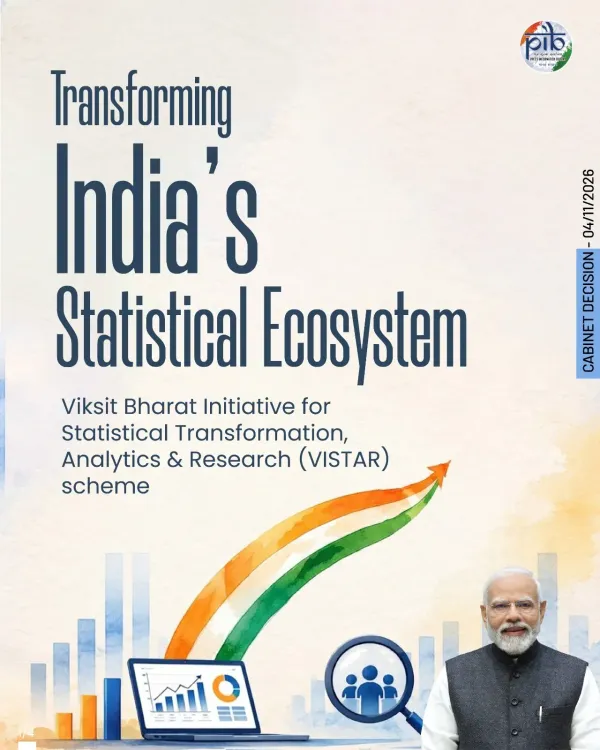
The Union Cabinet has approved VISTAR, a five-year initiative to modernise India's statistical ecosystem through digital transformation, improved surveys, and stronger data governance — a building block of the Viksit Bharat@2047 vision, welcomed by Odisha CM Mohan Charan Majhi.
Key Takeaways
The Union Cabinet approved VISTAR — Viksit Bharat Initiative for Statistical Transformation, Analytics and Research — for 2026–27 to 2030–31 .
The programme focuses on four pillars: improved survey capabilities, methodological research, digital transformation, and data governance.
VISTAR is framed as a building block of Prime Minister Narendra Modi's Viksit Bharat@2047 national development vision.
Odisha CM Mohan Charan Majhi described reliable, evidence-based data as central to informed policymaking under the initiative.
Implementation milestones to watch include budget allocations and integration with existing MoSPI frameworks across successive fiscal years.
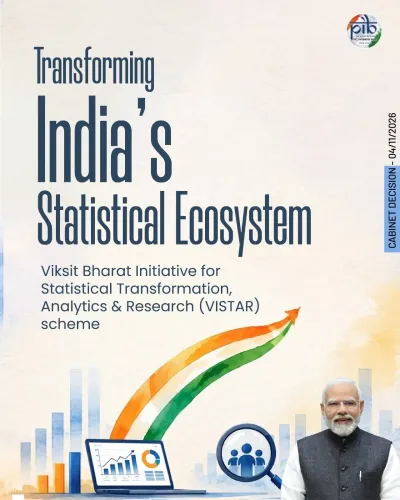
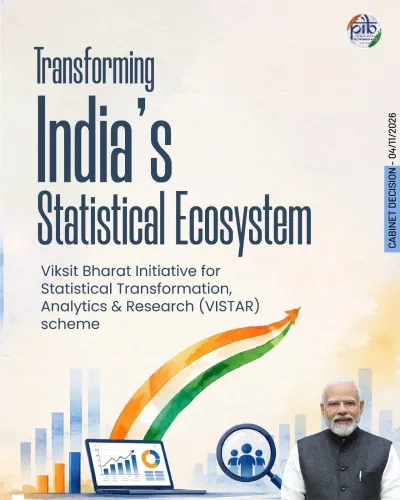
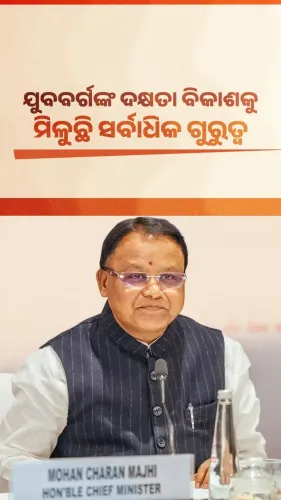
India's statistical machinery is getting a five-year overhaul. Odisha Chief Minister Mohan Charan Majhi on Wednesday, 4 November 2026 welcomed the Union Cabinet's approval of the Viksit Bharat Initiative for Statistical Transformation, Analytics and Research (VISTAR), a programme designed to fundamentally modernise how the country collects, analyses, and governs data for public policy.
What VISTAR sets out to do
Running from 2026–27 to 2030–31, VISTAR targets four interlocking pillars: improved survey capabilities, methodological research, digital transformation of statistical systems, and robust data governance. The underlying logic is straightforward — credible numbers drive credible policy. As CM Majhi put it, the initiative places 'reliable data and evidence-based insights central to policymaking' and strengthens institutional capacity in service of the broader Viksit Bharat vision.
The approval comes under the leadership of Prime Minister Narendra Modi, whose Viksit Bharat@2047 agenda — the ambition to position India as a fully developed economy by the centenary of independence — has increasingly leaned on evidence-based governance frameworks to give long-term targets measurable teeth.
India's statistical machinery: a long-pending upgrade
India's official statistical ecosystem, anchored by the Ministry of Statistics and Programme Implementation (MoSPI), has faced persistent criticism over survey frequency, sample design, and the lag between data collection and publication. Successive governments have pursued incremental upgrades — digital platforms, revised GDP methodology, periodic labour and consumption surveys — but a consolidated, multi-year transformation programme of this scope represents a meaningful step up in ambition.
The push matters because the credibility of India's growth narrative depends, in part, on the credibility of the numbers underpinning it. Better data infrastructure makes it harder for policy decisions to outrun the evidence — and easier for state governments, businesses, and citizens to hold outcomes to account.
What to watch as VISTAR rolls out
The programme's real test will come in implementation. Budget allocations in successive Union Budgets, ministerial notifications from MoSPI, and the integration of VISTAR's digital tools with existing state-level statistical offices will signal whether the Cabinet approval translates into lasting institutional change. Odisha, like other states, stands to benefit directly if the upgraded survey infrastructure improves the granularity of data flowing to state planning bodies.
Numbers, after all, are where policy intentions meet reality. VISTAR is a bet that India is ready to take both seriously.
Point of View
Not an afterthought — a significant reframing given past controversies over data methodology. Anchoring the initiative within the Viksit Bharat umbrella gives it political protection and long-term budget logic, reducing the risk of it being shelved mid-cycle. For state governments like Odisha, better federal data infrastructure can directly sharpen welfare targeting and development planning. The real question is whether institutional capacity at the state level can keep pace with the federal ambition.
NationPress
4 Nov 2026
Frequently Asked Questions
What is the VISTAR initiative approved by the Union Cabinet?
VISTAR stands for Viksit Bharat Initiative for Statistical Transformation, Analytics and Research. It is a five-year programme approved by the Union Cabinet covering 2026–27 to 2030–31, aimed at modernising India's statistical ecosystem through digital transformation, improved survey methods, and stronger data governance.
What is the connection between VISTAR and Viksit Bharat?
VISTAR is explicitly framed as a building block of the Viksit Bharat@2047 vision — Prime Minister Modi's agenda to make India a fully developed economy by 2047. The initiative positions reliable, evidence-based data as essential to achieving that long-term goal.
Which ministry will implement VISTAR?
VISTAR is expected to be implemented through the Ministry of Statistics and Programme Implementation (MoSPI), which oversees India's official statistical machinery. Formal ministerial notifications will confirm the operational structure.
Why did Odisha CM Mohan Charan Majhi comment on VISTAR?
As a BJP chief minister and a leader aligned with the central government's Viksit Bharat agenda, CM Majhi welcomed the Cabinet approval, emphasising that reliable data and evidence-based insights are central to informed policymaking.
How will VISTAR affect state governments like Odisha?
Improved federal survey infrastructure and digital data systems under VISTAR can enhance the granularity and timeliness of data available to state governments, allowing for sharper welfare targeting, more accurate development planning, and stronger accountability frameworks.