CM Majhi Highlights Subhadra Yojana's Rs 25,000 Push for Odisha Women
Synopsis
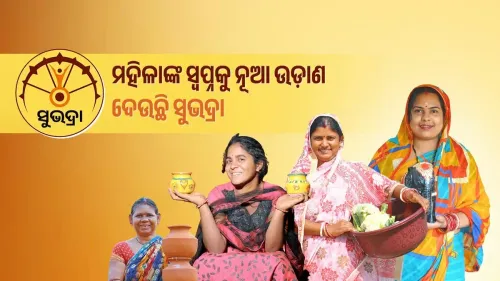
Odisha Chief Minister Mohan Charan Majhi has highlighted the Subhadra Yojana, which provides women more than Rs 25,000 in five DBT instalments to support entrepreneurship and financial self-reliance, framing women's progress as the foundation of societal welfare.
Key Takeaways
Subhadra Yojana disburses more than Rs 25,000 per beneficiary to women in five instalments via Direct Benefit Transfer.
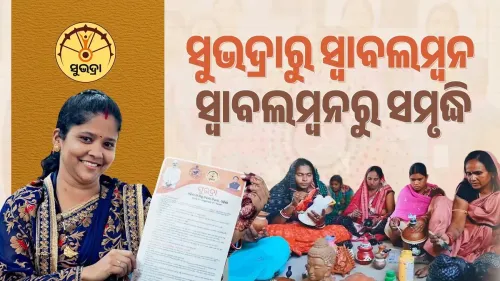
The scheme targets women's economic self-reliance and investment in personal enterprises and businesses.
It was launched following the BJP's 2024 Odisha assembly election victory , with CM Mohan Charan Majhi taking office in June 2024 .
The DBT mechanism ensures direct, leakage-free delivery of funds to beneficiaries.
The initiative aligns with a national pattern of state-level direct cash transfer schemes designed to promote women's financial inclusion.
Women's economic independence is the cornerstone of a thriving society — and Odisha Chief Minister Mohan Charan Majhi is putting that principle on record, spotlighting how the state's flagship Subhadra Yojana is channelling direct cash into the hands of women entrepreneurs across the state.
What Subhadra Yojana promises — and delivers
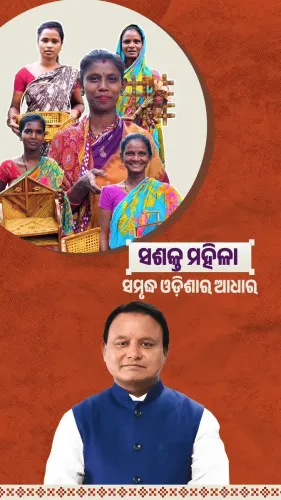
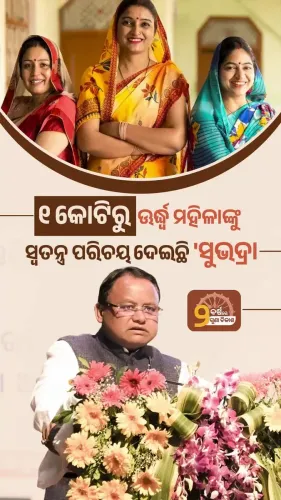
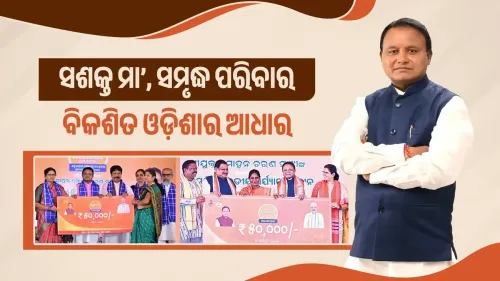
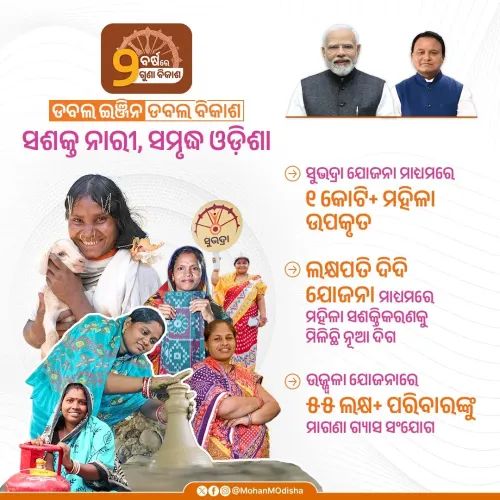
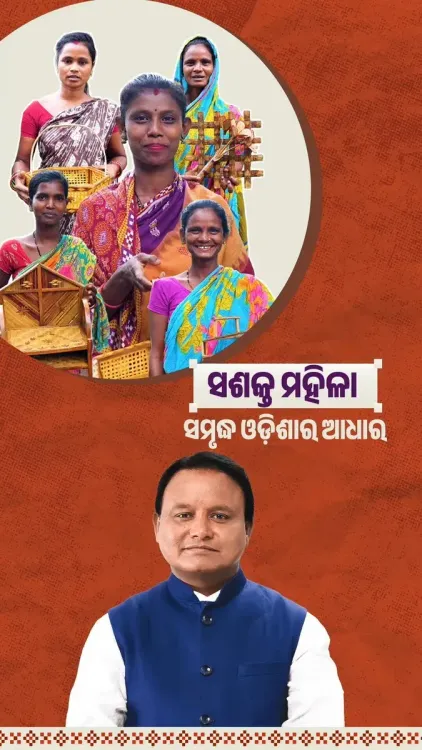
In his post, CM Majhi states that the 'people's government' is disbursing more than Rs 25,000 to women beneficiaries in five instalments through Direct Benefit Transfer (DBT). The scheme, he writes, is enabling women to invest in their own enterprises and businesses, helping them become self-reliant while strengthening their families' financial foundations. 'ମହିଳାଙ୍କ ଉନ୍ନତି ହିଁ ସମାଜର କଲ୍ୟାଣର ମୂଳ ଭିତ୍ତି' — 'the progress of women is the very foundation of society's welfare' — he writes, framing the scheme not as charity but as structural investment.
Subhadra Yojana's origins in the 2024 BJP mandate
The Subhadra Yojana was announced and rolled out by the Odisha government following the Bharatiya Janata Party's decisive win in the 2024 state assembly elections — a victory that brought Majhi to the Chief Minister's office in June 2024. The scheme was a prominent welfare commitment in the BJP's manifesto, designed to operationalise the party's pitch to women voters through tangible, measurable transfers rather than aspirational promises.
The DBT mechanism at the scheme's core is not new — India has relied on direct benefit transfers since the early 2010s to eliminate middlemen and reduce leakage in welfare delivery. What distinguishes Subhadra Yojana is its explicit entrepreneurship framing: the funds are positioned as seed capital for women-led micro-enterprises, not merely household support.
Odisha's bet on women-led economic growth
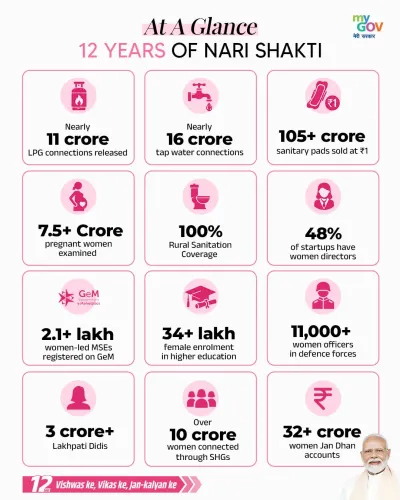
Across Indian states, direct cash transfer schemes targeting women have multiplied sharply over the past decade, reflecting a broader political and policy consensus that financial inclusion at the household level drives measurable development outcomes. Odisha's approach aligns with this national pattern while tying the transfers to self-help group ecosystems and micro-enterprise activity — a model that complements central government schemes focused on women's collectives.
For CM Majhi, the post is also a political signal: the BJP government in Bhubaneswar is actively building a record on women's welfare ahead of future electoral cycles, and the Subhadra Yojana is its most visible instrument for doing so.
If the five-instalment DBT structure delivers as described, Odisha's women entrepreneurs won't just be beneficiaries — they'll be the state's next growth story.
Point of View
The Majhi government is attempting to occupy a policy space that combines welfare optics with development credibility. This mirrors a broader BJP state-government playbook — visible, named schemes with direct transfers — that has proven electorally effective elsewhere. The real test will be whether utilisation data and business-formation numbers emerge to validate the entrepreneurship framing, or whether the scheme remains primarily a political signalling instrument.
NationPress
29 Sept 2026
Frequently Asked Questions
What is Subhadra Yojana in Odisha?
Subhadra Yojana is an Odisha government scheme that provides women more than Rs 25,000 in five instalments through Direct Benefit Transfer to support their economic self-reliance and entrepreneurship.
How much money do women get under Subhadra Yojana?
Women beneficiaries receive more than Rs 25,000 in total, disbursed across five instalments directly into their bank accounts via DBT.
When was Subhadra Yojana launched in Odisha?
The Subhadra Yojana was announced and rolled out by the Odisha government in 2024 , following the BJP's victory in the state assembly elections and CM Mohan Charan Majhi's assumption of office in June 2024.
Who is Mohan Charan Majhi?
Mohan Charan Majhi is the Chief Minister of Odisha and a BJP leader who took office in June 2024 after the BJP won the Odisha assembly elections.
What is DBT and how does it work for women schemes in Odisha?
DBT stands for Direct Benefit Transfer, a system that sends government funds directly to beneficiaries' bank accounts, eliminating middlemen. Subhadra Yojana uses DBT to deliver financial assistance to eligible women in Odisha.