Delhi L-G T.S. Sandhu directs NSUT, tech universities to solve city's civic problems
Synopsis
Delhi's Lieutenant Governor T.S. Sandhu has told NSUT and other technical universities to stop publishing research for its own sake and start solving the city's real problems — from flooding and broken roads to traffic chaos and hospital care — by putting AI and civic tech to work alongside MCD, Delhi Police and the PWD.
Key Takeaways
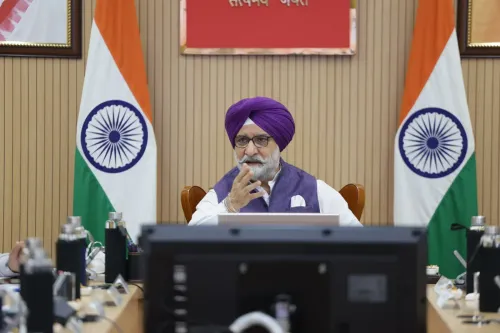
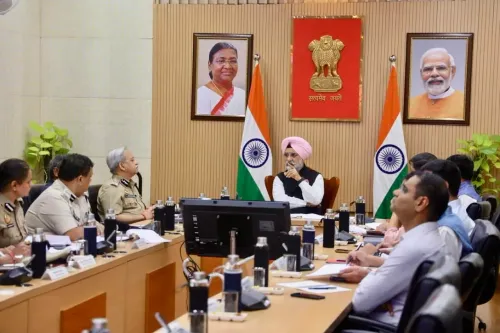
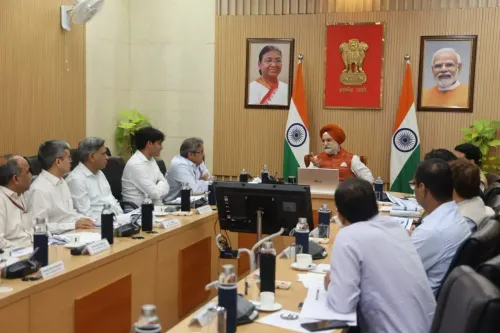
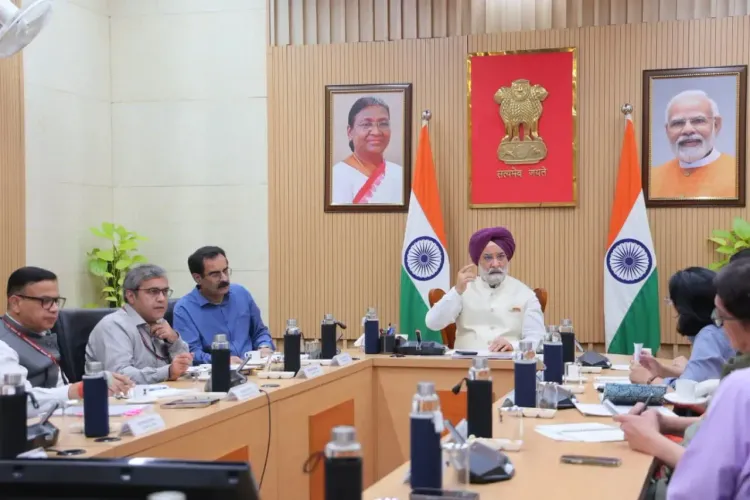
Sandhu chaired the 6th Court Meeting of NSUT at Lok Niwas on 29 September .
Technical universities directed to develop solutions for sanitation, traffic management, road conditions and flood management .
NSUT asked to coordinate with MCD, NDMC, Delhi Police, PWD, Health Department and Transport Department .
Skill courses in AI, cyber security and digital tools to be prioritised for student employability.
NCC and NSS students to be encouraged to address civic issues, with awards instituted for outstanding involvement.
University directed to adopt urban colonies in partnership with RWAs and maintain documented feedback on all community activities.
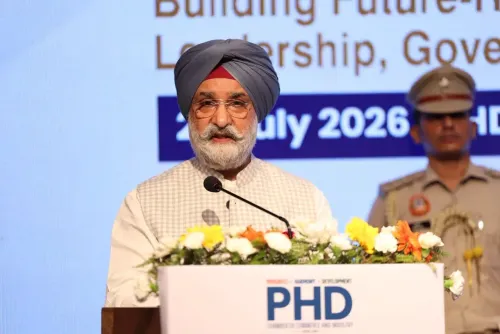
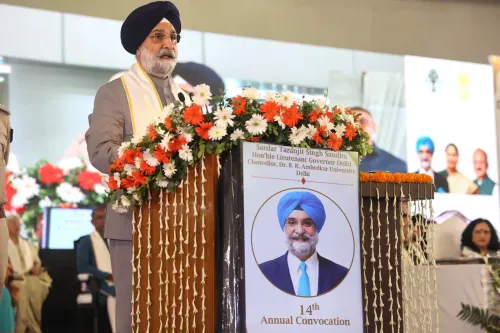
Delhi Lieutenant Governor T.S. Sandhu on Tuesday, 29 September directed technical universities in the capital to develop technology-driven solutions for the city's most pressing civic challenges, including sanitation, traffic management, road conditions, and flood management. The directive came during the 6th Court Meeting of Netaji Subhas University of Technology (NSUT), chaired by Sandhu at Lok Niwas.
Key Directives to NSUT
Sandhu urged the university to move decisively from academic output to real-world impact, calling on it to convert research papers into actionable solutions for Delhi's civic problems. He stressed that the path to a Viksit Dilli runs through innovation that delivers measurable outcomes on the ground, not merely in journals.
The Lieutenant Governor specifically directed NSUT to coordinate with expert agencies and to provide tailored technological support to government bodies including the Municipal Corporation of Delhi (MCD), New Delhi Municipal Council (NDMC), Delhi Police, the Health Department, the Public Works Department (PWD), and the Transport Department.
AI, Cyber Security and Skill Development
Sandhu called for skill courses that enhance employability, with a sharp focus on artificial intelligence (AI), cyber security, and digital tools. He said, 'AI education must stay future-ready through global collaboration, with focus on transformative applications, especially AI-enabled healthcare in government hospitals.'
The Lieutenant Governor also urged the university to leverage international academic and industry partnerships to upgrade capabilities and improve its national and global rankings through academic rigour, research excellence, and international engagement.
Community Engagement and Outreach
On the community front, Sandhu directed NSUT to sustain activities in adopted villages, focusing on improving employability, spreading financial awareness, and organising sports activities — particularly team games — to cultivate a spirit of teamwork. He also called for the adoption of urban centres and residential colonies in collaboration with respective Resident Welfare Associations (RWAs), and directed that all community engagement activities be documented with structured feedback.
Additionally, NCC and NSS students were encouraged to actively participate in civic issue resolution, with Sandhu calling for suitable awards to recognise outstanding performance and community involvement.
Broader Context
The directive reflects a growing push under Delhi's Lieutenant Governor to make technical institutions more accountable to urban governance needs. Delhi has long grappled with seasonal flooding, deteriorating road infrastructure, and traffic congestion — challenges that successive administrations have struggled to address through conventional means. Enlisting university-level research and technological expertise signals an intent to institutionalise innovation as a civic resource. Whether NSUT and peer institutions can translate this mandate into deployable solutions within a meaningful timeframe remains to be seen.
Point of View
And that the administration is now looking to universities to fill the gap. The idea of co-opting technical institutions into urban governance is not new — similar mandates have been issued in other cities — but the outcomes have been mixed when coordination between academia and bureaucracy breaks down. The real test will be whether MCD, PWD and Delhi Police are structurally equipped to absorb and implement university-generated solutions, or whether this remains an aspirational directive that produces reports rather than results.
NationPress
29 Sept 2026
Frequently Asked Questions
What did Delhi L-G T.S. Sandhu direct NSUT to do?
Lieutenant Governor T.S. Sandhu directed NSUT to develop technology-driven solutions for Delhi's civic challenges including sanitation, traffic management, road conditions and flood management. He made the directive at the 6th Court Meeting of NSUT held at Lok Niwas on 29 September.
Which government agencies will NSUT coordinate with?
NSUT has been asked to coordinate with the Municipal Corporation of Delhi (MCD), New Delhi Municipal Council (NDMC), Delhi Police, the Health Department, the Public Works Department (PWD) and the Transport Department to provide tailored technological solutions.
What role does AI play in Sandhu's vision for NSUT?
Sandhu called for AI education to remain future-ready through global collaboration, with a specific emphasis on AI-enabled healthcare in government hospitals. He also directed the university to offer skill courses in AI, cyber security and digital tools to improve student employability.
What community engagement activities did the L-G direct?
Sandhu directed NSUT to continue activities in adopted villages focused on employability, financial awareness and team sports. He also called for the adoption of urban colonies in collaboration with RWAs, and for NCC and NSS students to be engaged in civic activities with recognition awards.
Why is this directive significant for Delhi?
Delhi faces persistent civic challenges — seasonal flooding, poor road conditions and traffic congestion — that government agencies have struggled to address. By formally directing technical universities to develop and deliver solutions, the L-G is attempting to institutionalise academic innovation as a tool of urban governance.