CM Majhi Issues Heatwave Advisory for Odisha Residents
Synopsis
Odisha Chief Minister Mohan Charan Majhi issued a public heatwave advisory on June 1, 2026, urging residents to hydrate regularly with traditional drinks, avoid peak-hour outdoor exposure, protect vulnerable groups, and show compassion to labourers and animals during intensifying summer heat.
Key Takeaways
CM Mohan Charan Majhi issued a heatwave public advisory on June 1, 2026 via his official X account.
Residents were asked to drink water every 30 minutes regardless of thirst, and to use traditional cooling drinks like torani , bel pana , and coconut water.
Children, pregnant women, and the elderly should be kept indoors; those going out must carry water, a wet towel, and head cover.
Warning signs such as dizziness, dry skin, reduced urination, and body ache require immediate medical attention or ambulance assistance.
Odisha has maintained a formal Heat Action Plan since 2010 , updated under NDMA guidelines, making it one of India's most prepared states for heatwave response.
The CM appealed to citizens to provide water for passers-by, labourers, and animals, invoking the tradition of community care in Odia sanskriti .
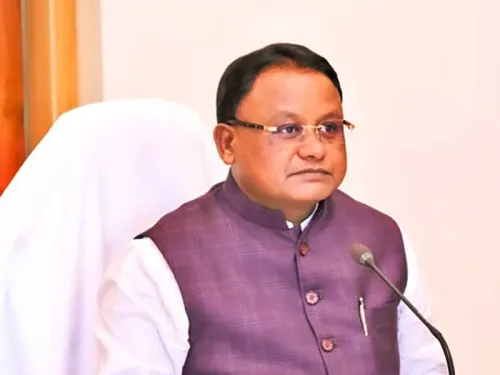
Odisha Chief Minister Mohan Charan Majhi on Monday, June 1, 2026, issued a detailed public health advisory urging residents of the state to take precautions as summer temperatures continue to intensify. The advisory, posted on his official X account, covers hydration, outdoor movement, vulnerable groups, and community responsibility toward labourers and animals.
Context
Writing in Odia and addressing residents as 'priya Odishabasi' ('dear people of Odisha'), CM Majhi warned that even minor carelessness during the current heatwave could lead to serious harm. He urged citizens to drink water every half hour even without feeling thirsty, and to consume traditional cooling drinks such as torani (fermented rice water), bel pana (wood-apple sherbet), mandia peja (ragi gruel), coconut water, and lemon sherbet to maintain health.
The Chief Minister specifically asked residents to avoid stepping outdoors during peak afternoon heat unless absolutely necessary. Those who must go out were advised to carry a water bottle, a wet towel, a cap, or an umbrella.
Policy Backdrop
Odisha has one of India's oldest institutional frameworks for heatwave management. Following a devastating 1998 heatwave that killed more than 2,000 people in the state, Odisha became one of the first Indian states to build systematic preparedness measures. A formal Heat Action Plan was adopted in 2010 and subsequently updated in line with National Disaster Management Authority (NDMA) guidelines, focusing on early public warnings, community advisories, and protection of vulnerable populations.
The state's approach combines traditional hydration practices — many of which the Chief Minister cited directly — with institutional mechanisms including district-level control rooms and coordination with the India Meteorological Department (IMD).
Stakeholders and Impact
CM Majhi called for special care for children, pregnant women, and the elderly, asking families to keep these groups safely indoors. He also highlighted warning signs of heat-related illness — excessive body ache, dry skin, reduced urination, and dizziness — and urged anyone experiencing these symptoms to immediately contact the nearest health centre or call for an ambulance.
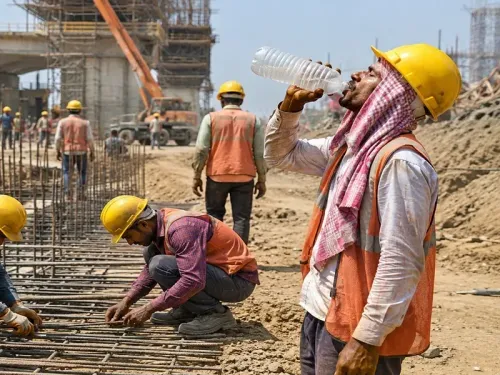
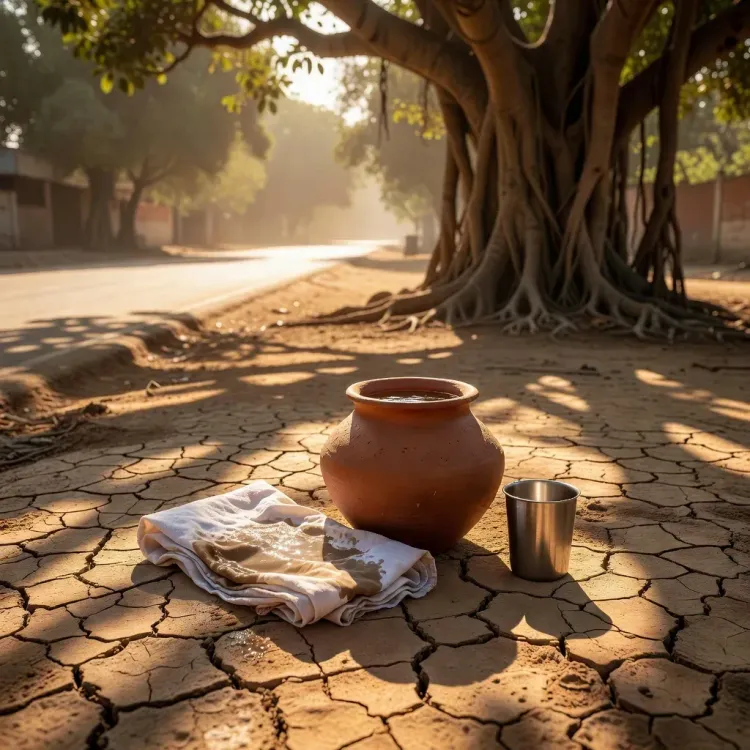
The advisory extended beyond individual households. The Chief Minister appealed to citizens to show compassion toward daily wage labourers working in the heat, calling humanity and empathy the finest hallmarks of Odia sanskriti ('Odia culture'). He also encouraged residents to place earthen pots of water outside their homes or under trees for passers-by and for animals and birds.
What's Next
Attention will now turn to the Odisha State Disaster Management Authority (OSDMA) and whether district-level heatwave control rooms are being activated ahead of the peak summer period. State governments across eastern and central India routinely escalate preparedness when maximum temperatures breach 40°C, and Odisha's well-documented institutional infrastructure positions it to move quickly. The Chief Minister's public message signals that the administration is treating the current heat spell as a serious public health concern, and follow-up action from district administrations is expected in the coming days.
Point of View
Majhi is bridging grassroots cultural familiarity with state-level preparedness, a communication strategy that tends to improve public compliance. The explicit mention of daily wage labourers and animals also signals an attempt to frame heat safety as a social solidarity issue, not merely a personal health one. Whether this advisory is backed by activated district control rooms and OSDMA field deployments will determine its real-world impact.
NationPress
16 Oct 2026
Frequently Asked Questions
What did Odisha CM Mohan Charan Majhi say about the heatwave?
CM Majhi issued a detailed advisory urging Odisha residents to drink water every 30 minutes, avoid going out during peak heat, protect children and the elderly indoors, and seek immediate medical help if they experience dizziness, dry skin, or reduced urination.
What traditional drinks did CM Majhi recommend during the heatwave?
CM Majhi recommended torani (fermented rice water), bel pana (wood-apple sherbet), mandia peja (ragi gruel), coconut water, and lemon sherbet as traditional hydrating drinks to stay healthy during the heatwave.
What is Odisha's Heat Action Plan?
Odisha adopted a formal Heat Action Plan in 2010, updated with NDMA guidelines, which focuses on early public warnings, community advisories, district-level control rooms, and special protection for vulnerable groups such as the elderly, children, and pregnant women.
Which groups are most at risk during Odisha's heatwave?
CM Majhi identified young children, pregnant women, elderly citizens, and daily wage labourers working outdoors as the most vulnerable groups and called for special care and protection for each of them.
What are the warning signs of heat-related illness according to CM Majhi's advisory?
The advisory lists excessive body ache, dry skin, reduced urination, and dizziness as key warning signs of heat-related illness, urging anyone experiencing these symptoms to immediately visit the nearest health centre or call an ambulance.