Odisha bans outdoor labour 11am–3pm as heatwave pushes temps past 45°C
Synopsis
Odisha's Works Department has been forced to re-issue its outdoor labour ban after workers were found deployed during the 11 am–3 pm heat window despite an earlier advisory. With six locations crossing 45°C and an IMD Orange Warning in place through 28 May, the directive now carries direct enforcement instructions to engineers statewide — a sign that the state is treating this as a public health emergency, not just a weather advisory.
Key Takeaways
The Odisha Works Department on 24 May banned outdoor labour between 11 am and 3 pm amid severe heatwave conditions.
The order was re-issued after reports confirmed workers were still being deployed during the restricted hours at some sites.
Titlagarh recorded the state's highest temperature at 45.8°C ; six locations in Odisha crossed 45°C on Sunday.
Contractors must provide shaded rest sheds , drinking water , and first-aid facilities at all worksites.
The IMD has issued an Orange Warning for heatwave to severe heatwave conditions in Jharsuguda , Sambalpur , Balangir , and Boudh through 28 May .
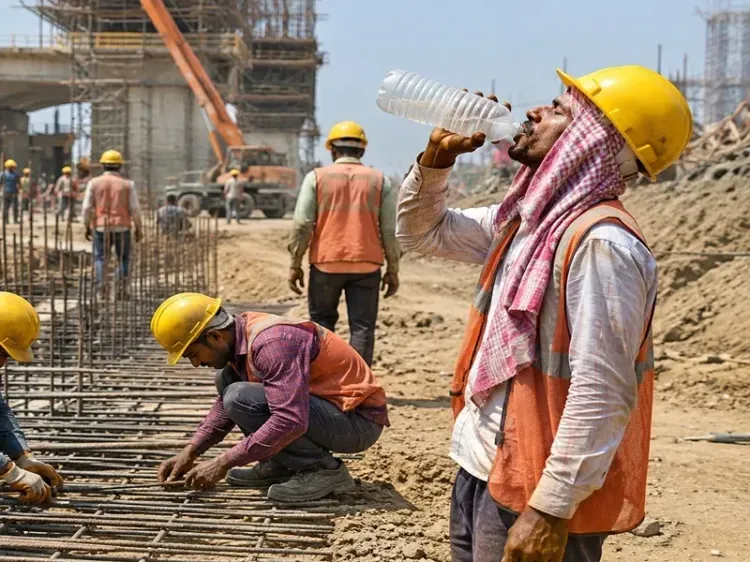
The Odisha Works Department on Sunday, 24 May directed all contractors to immediately halt outdoor labour during peak heat hours between 11 am and 3 pm, citing severe heatwave conditions sweeping the state. The order, issued by the Engineer-in-Chief (EIC) of the Works Department, comes after reports emerged that workers were still being deployed during the restricted period at several sites despite an earlier government advisory.
What the Order Says
The EIC has written to all Chief Construction Engineers and Superintending Engineers across every zone of Odisha, directing strict enforcement of the work ban between 11 am and 3 pm. Contractors have been told to ensure adequate welfare provisions at worksites, including shaded rest sheds, drinking water, and first-aid facilities. Field-level officials have been tasked with monitoring compliance and spreading awareness among contractors and workers to prevent heat-related incidents.
How Severe the Heatwave Is
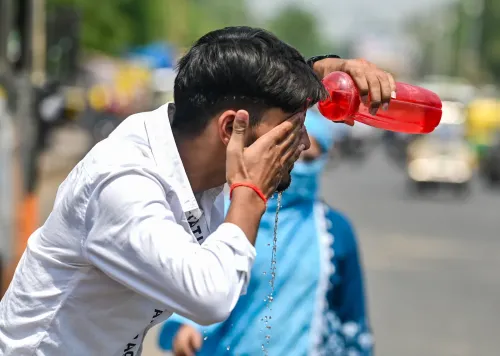
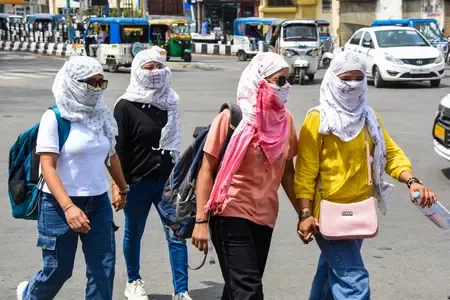
Odisha is currently enduring one of its most intense early-summer heat spells, with six locations recording temperatures above 45 degrees Celsius on Sunday. Titlagarh logged the state's highest maximum at 45.8°C, followed by Boudh at 45.6°C, Bhawanipatna at 45.4°C, and Sambalpur at 45.3°C. Sonepur and Balangir also breached the 45°C mark, according to meteorological data.
IMD Forecast and Orange Warning
The India Meteorological Department (IMD) has forecast heatwave and hot, humid conditions across most districts of Odisha from 24 May to 28 May, with temperatures likely to remain significantly above normal. The weather agency has issued an Orange Warning for heatwave to severe heatwave conditions at isolated places in Jharsuguda, Sambalpur, Balangir, and Boudh districts over the next five days.
Why Enforcement Became Necessary
The state government had previously issued instructions prohibiting outdoor work during peak heat hours, but reports received through media sources indicated that the directive was not being uniformly followed. This prompted the Works Department to reiterate the ban with a direct communication to engineering officers statewide — signalling that voluntary compliance had proved insufficient and formal enforcement is now being prioritised. This pattern of issuing a second, stricter directive after initial non-compliance is consistent with how Odisha has handled heat-safety enforcement in previous years.
With the IMD warning period extending through 28 May, authorities are expected to maintain heightened vigilance at construction sites across the state.
Point of View
And the state's response — escalating to direct written orders to chief engineers — suggests the administration is aware that voluntary compliance is not working. With six sites crossing 45°C and the IMD warning running through 28 May, the window for a heat casualty at an unsupervised worksite is open. Whether field officials actually enforce the ban, or whether this remains a paper order, will determine whether the directive protects workers or merely provides bureaucratic cover.
NationPress
10 Oct 2026
Frequently Asked Questions
What has the Odisha Works Department ordered regarding outdoor labour?
The Odisha Works Department has directed all contractors to stop outdoor labour between 11 am and 3 pm due to the ongoing heatwave. The order also mandates shaded rest sheds, drinking water, and first-aid facilities at all worksites.
Why was a fresh directive issued when a ban was already in place?
The state government received reports through media sources that workers were still being deployed during the restricted hours at certain sites despite an earlier advisory. The fresh directive escalates the order to engineering officers across all zones to ensure enforcement.
Which parts of Odisha are worst affected by the heatwave?
Titlagarh recorded the highest temperature in the state at 45.8°C on 24 May, followed by Boudh at 45.6°C, Bhawanipatna at 45.4°C, and Sambalpur at 45.3°C. Sonepur and Balangir also crossed 45°C, bringing the total to six locations above that threshold.
What is the IMD forecast for Odisha's heatwave?
The India Meteorological Department has forecast heatwave and hot, humid conditions across most of Odisha from 24 May to 28 May. An Orange Warning for heatwave to severe heatwave conditions has been issued for Jharsuguda, Sambalpur, Balangir, and Boudh districts.
What welfare measures must contractors provide for workers?
Contractors are required to set up shaded rest sheds, supply drinking water, and maintain first-aid facilities at all worksites. Field officials have been instructed to monitor compliance and raise awareness among contractors and workers about heat safety.