Heatwave Scorches Odisha: Temperatures Cross 40°C in 10+ Districts
Synopsis
Odisha is in the grip of a brutal heatwave, with Jharsuguda and Talcher hitting 44°C and Bhubaneswar touching 41.8°C on April 23. The IMD has issued a yellow alert for five districts with no relief for three days. Schools are shut and census work suspended — exposing how India's industrial heartland bears the worst of climate-driven heat extremes.
Key Takeaways
Jharsuguda and Talcher (Angul district) recorded Odisha's highest temperature of 44°C by 2 p.m. on April 23, 2025 .
Bhubaneswar hit 41.8°C and Cuttack reached 42.1°C , with the capital area forecast to touch 43°C in coming days.
The IMD issued a yellow heatwave alert for Bolangir, Jharsuguda, Sambalpur, Keonjhar , and Khordha districts.
Maximum temperatures rose by 3–4 degrees Celsius at isolated locations across coastal and interior Odisha in a single day, per IMD data.
The Odisha government suspended census enumeration between 11 a.m. and 3 p.m. to protect field workers from heatstroke.
Schools across most Odisha districts have been closed , and light to moderate rain is predicted in some areas in the coming days.
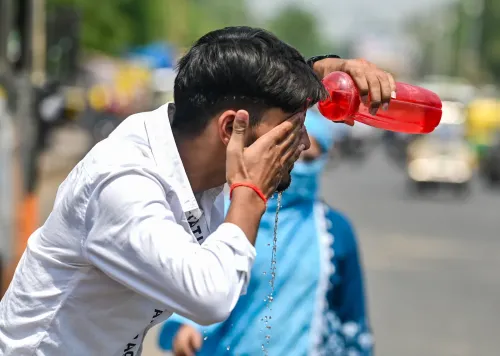
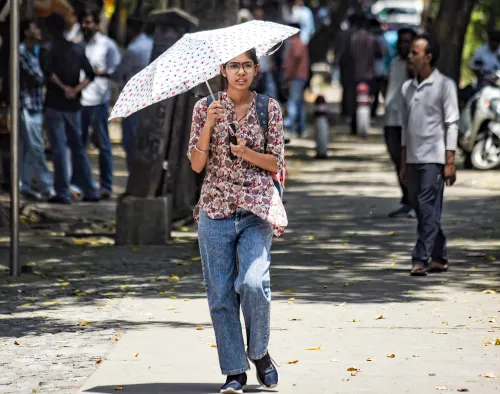
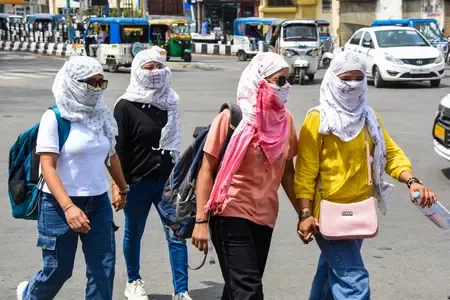
Odisha is enduring a severe heatwave as of April 23, 2025, with daytime temperatures surging well above 40 degrees Celsius across multiple districts — from the coast to the interior — disrupting daily life, shutting schools, and forcing the state government to suspend census operations during peak afternoon hours.
Mercury Peaks: Jharsuguda and Talcher Hit 44°C
Jharsuguda, Odisha's industrial hub in the western belt, recorded the state's highest maximum temperature of 44 degrees Celsius by 2 p.m. on Thursday. Talcher in Angul district — a coal-rich region — matched that figure at 44°C, underscoring how industrial zones with low green cover are bearing the worst of the heat.
The twin cities of Cuttack and Bhubaneswar recorded maximum temperatures of 42.1°C and 41.8°C, respectively, by the same time. Even coastal Odisha, typically buffered by sea breezes, is offering little relief this season.
IMD Issues Yellow Alert, Predicts No Immediate Relief
The India Meteorological Department (IMD), Bhubaneswar, confirmed in its official bulletin that maximum temperatures have risen by an appreciable 3–4 degrees Celsius at isolated locations across both coastal and interior Odisha — a sharp single-day spike that meteorologists consider significant.
The IMD has issued a yellow warning for heatwave conditions at isolated places in the districts of Bolangir, Jharsuguda, Sambalpur, Keonjhar, and Khordha. The weather agency also forecasts that Bhubaneswar and adjoining areas could see temperatures touch 43°C in the coming days.
Critically, the IMD has stated that no significant change in maximum daytime temperatures is expected over the next three days across all districts of Odisha. A modest drop of 2–3 degrees Celsius is anticipated only after that window.
Hot and Humid Conditions Spread Across Coastal Belt
Beyond the heatwave-designated districts, hot and humid conditions are forecast for a wider swathe of the state, including Mayurbhanj, Balasore, Bhadrak, Jajpur, Kendrapara, Cuttack, Jagatsinghpur, Puri, Khordha, Nayagarh, Ganjam, and Gajapati.
The combination of high temperatures and elevated humidity levels significantly worsens the heat index — what the body actually feels — making conditions dangerous even in areas where the raw temperature may appear lower than inland districts.
The IMD has, however, predicted light to moderate rainfall and thunderstorms in several districts in the coming days, which could offer partial relief to residents.
Impact on Citizens: Schools Shut, Census Work Halted
The Odisha government has ordered the closure of educational institutions across most districts in response to the extreme heat, protecting students from dangerous outdoor exposure during school commutes and activities.
In a significant administrative decision, the state government has also suspended census enumeration work between 11 a.m. and 3 p.m. — the hottest part of the day — to protect field enumerators from heatstroke risk. This pause directly affects the pace of an exercise that is critical to national planning and resource allocation.
Heatstroke, dehydration, and heat exhaustion are rising public health concerns. Vulnerable populations — the elderly, outdoor labourers, construction workers, and children — face the gravest risk during such prolonged heat events.
Bigger Picture: Climate Patterns and Odisha's Heat Vulnerability
Odisha has historically been one of India's most heat-vulnerable states. The combination of its geography — landlocked western districts with sparse vegetation and coal-heavy industrial zones — creates natural heat traps. Jharsuguda and Angul-Talcher routinely top national temperature charts during April and May, a pattern that has intensified over the past decade in line with broader climate change trends.
Notably, India Meteorological Department data has shown that pre-monsoon heatwaves in eastern India are arriving earlier and lasting longer compared to two decades ago. This year's April surge is consistent with that accelerating trend.
With the southwest monsoon still weeks away and temperatures forecast to remain elevated, authorities and citizens alike must brace for an extended period of dangerous heat before any sustained natural relief arrives.
Point of View
Stripped of green cover by decades of mining and heavy industry, consistently top national temperature charts is not a coincidence but a consequence. While the state government's decision to halt census work is pragmatic, it also reveals how climate stress is now disrupting core governance functions. India cannot keep treating heatwaves as weather events — they are public health emergencies that demand permanent infrastructure responses: cool shelters, heat action plans with teeth, and a serious rethink of industrial land use in already heat-stressed regions.
NationPress
22 Sept 2026
Frequently Asked Questions
Which district recorded the highest temperature in Odisha on April 23, 2025?
Jharsuguda and Talcher in Angul district both recorded the highest maximum temperature of 44 degrees Celsius in Odisha on April 23, 2025. Both areas are known for heavy industrial and mining activity, which contributes to elevated heat levels.
Has the IMD issued any heatwave warning for Odisha?
Yes, the India Meteorological Department has issued a yellow warning for heatwave conditions in isolated places across Bolangir, Jharsuguda, Sambalpur, Keonjhar, and Khordha districts. The IMD also forecasts no significant temperature drop for at least the next three days.
Are schools closed in Odisha due to the heatwave?
Yes, educational institutions across most districts of Odisha have been closed due to the extreme heat. The decision was taken to protect students from dangerous heat exposure during commutes and outdoor activities.
What steps has the Odisha government taken to protect people from the heatwave?
The Odisha government has suspended census enumeration work between 11 a.m. and 3 p.m. to protect field workers from heatstroke. Schools have also been closed across most districts as a precautionary measure.
When will the heatwave in Odisha ease?
According to the IMD, no significant change in maximum temperatures is expected over the next three days across Odisha. Temperatures are likely to fall by 2–3 degrees Celsius thereafter, with light to moderate rain or thunderstorms predicted in some districts offering partial relief.