CM Majhi hails tribal representation gains under Modi govt
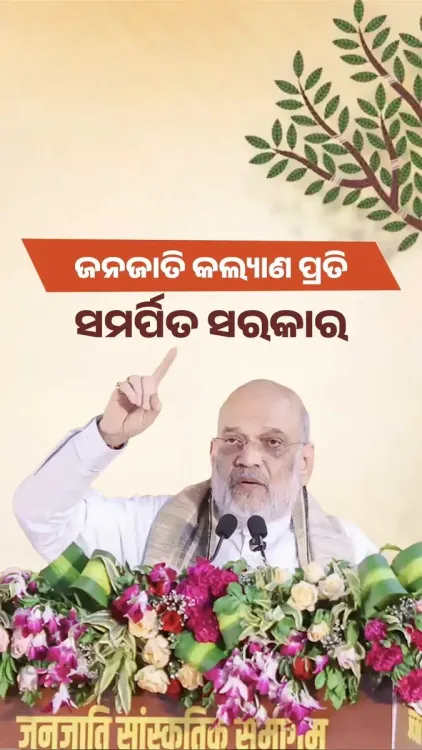
Synopsis
Odisha Chief Minister Mohan Charan Majhi on 25 May 2026 lauded the Modi government for creating a golden era of tribal representation, citing President Droupadi Murmu's election and tribal Chief Ministers across states as a historic step toward social justice for communities long excluded from mainstream development.
Key Takeaways
Odisha CM Mohan Charan Majhi posted on 25 May 2026 praising tribal political inclusion under PM Narendra Modi .
Droupadi Murmu , elected 15th President of India in July 2022 , is the country's first tribal head of state.
Majhi framed the moment as 'social justice' for tribal communities long outside the stream of development, not merely political representation.
The BJP government has expanded Vanbandhu Kalyan Yojana and PM JANMAN to target historically isolated tribal regions since 2014 .
Majhi himself is a tribal community leader who became Odisha CM after the 2024 state elections , embodying the trend he describes.
Scheduled Tribes account for roughly 8.6 per cent of India's population, concentrated in states including Odisha, Jharkhand, and Chhattisgarh .
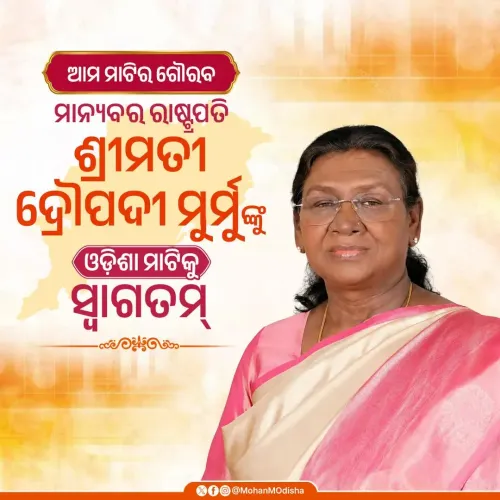
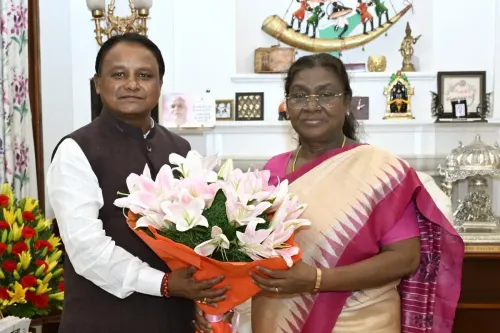
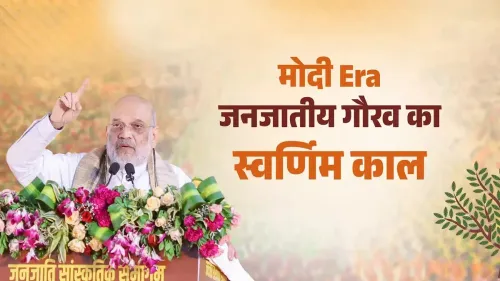
Odisha Chief Minister Mohan Charan Majhi on Monday, 25 May 2026, praised the BJP-led central government for what he described as a golden chapter in tribal pride, citing the elevation of tribal leaders to the highest constitutional and executive offices in the country under Prime Minister Narendra Modi.
Context
Writing in Odia, CM Majhi pointed to the arc from President Droupadi Murmu — the country's first tribal head of state — to tribal Chief Ministers leading various states as evidence of a historic shift. He wrote: 'ଦେଶର ପ୍ରଥମ ଜନଜାତି ରାଷ୍ଟ୍ରପତି' ['the country's first tribal President'], framing the moment as far more than political representation. In his words, it is 'a visionary effort to deliver social justice to our tribal brothers and sisters who have long remained outside the stream of development.'
Majhi himself is a BJP leader from a tribal community who became Odisha Chief Minister after the 2024 state elections, making him a direct embodiment of the trend he describes. His post amplifies a BJP narrative that has been built consistently since 2014.
Policy Backdrop
Droupadi Murmu was elected the 15th President of India in July 2022, becoming the first person from a Scheduled Tribe community to hold the office. Her election was widely seen as a landmark moment for tribal political recognition at the national level.
The Ministry of Tribal Affairs has expanded several flagship programmes under the Modi government, including the Vanbandhu Kalyan Yojana and the PM JANMAN scheme, both targeting historically isolated tribal regions. These initiatives sit alongside the constitutional reservation framework that has existed since independence, but the BJP has sought to layer visible leadership appointments on top of welfare delivery to build a broader tribal outreach.
Stakeholders and Impact
Scheduled Tribe communities account for roughly 8.6 per cent of India's population and are spread across states including Odisha, Jharkhand, Chhattisgarh, Madhya Pradesh, and the north-east. For decades, these groups have been underrepresented in the upper tiers of government despite constitutional protections at lower levels.
The convergence of a tribal President, tribal Chief Ministers, and targeted welfare schemes represents a shift in how the BJP is positioning itself with this demographic ahead of future electoral cycles. For communities in Odisha specifically, CM Majhi's post reinforces the message that the state government sees tribal welfare as a central, not peripheral, governance priority.
What's Next
Analysts will watch for new phases of the PM JANMAN scheme and the shape of Odisha's tribal welfare budget in coming legislative sessions as a measure of whether the political messaging translates into programme spending. The broader question is whether the BJP will deepen this strategy of pairing high-profile tribal appointments with on-ground delivery as the party looks toward the 2029 general elections.
CM Majhi's post signals that tribal identity and representation will remain a prominent theme in both Odisha's state politics and the national BJP narrative for the foreseeable future.
Frequently Asked Questions
Who is Mohan Charan Majhi and why is he significant for tribal communities?
Mohan Charan Majhi is the Chief Minister of Odisha and a BJP leader from a tribal community, appointed after the 2024 Odisha state elections. His elevation is seen as part of a broader BJP effort to place tribal leaders in prominent executive roles.
Who is India's first tribal President?
Droupadi Murmu is India's first President from a Scheduled Tribe community. She was elected the 15th President of India in July 2022.
What is the PM JANMAN scheme?
PM JANMAN is a central government scheme launched under the Modi government to deliver targeted development to Particularly Vulnerable Tribal Groups in historically isolated regions across India.
What did Odisha CM Majhi say about tribal representation on 25 May 2026?
CM Majhi said that under PM Modi's governance, a golden chapter of tribal pride has been created, ranging from the country's first tribal President to tribal Chief Ministers in various states, calling it a visionary effort to provide social justice to tribal communities.
What share of India's population belongs to Scheduled Tribes?
Scheduled Tribes account for roughly 8.6 per cent of India's population and are concentrated in states such as Odisha, Jharkhand, Chhattisgarh, Madhya Pradesh, and north-eastern states.