CM Majhi launches 46 industrial projects worth ₹39,383 Cr at Kalinga Nagar
Synopsis
Odisha CM Mohan Charan Majhi on October 14, 2026 announced the foundation-laying and launch of 46 large industrial projects worth ₹39,383 crore at Kalinga Nagar in Jajpur, projecting over 42,000 new jobs and positioning Odisha as a leading national manufacturing hub.
Key Takeaways
46 large industrial projects are being inaugurated and ground-broken at Kalinga Nagar, Jajpur on October 14, 2026 .
Total announced investment stands at approximately ₹39,383 crore .
The projects are projected to create over 42,000 new employment opportunities in Odisha.
Kalinga Nagar has been Odisha's primary industrial corridor since the early 2000s, anchored by major steel plants.
CM Mohan Charan Majhi , in power since 2024 , frames the initiative as part of building a self-reliant ( Aatmanirbhar ) and prosperous Odisha.
Key stated goals include retaining talented Odia youth in the state and converting local mineral resources into downstream manufacturing value.
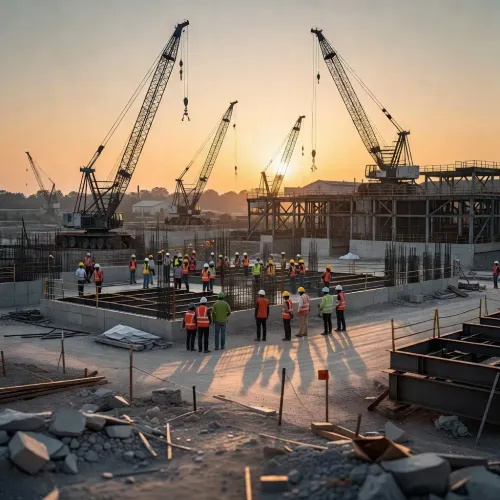
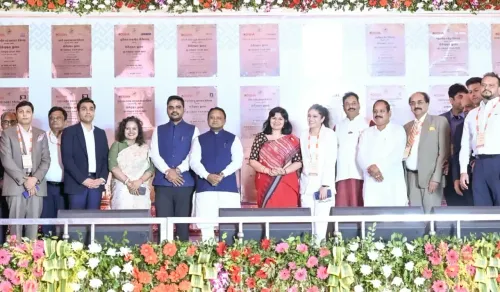
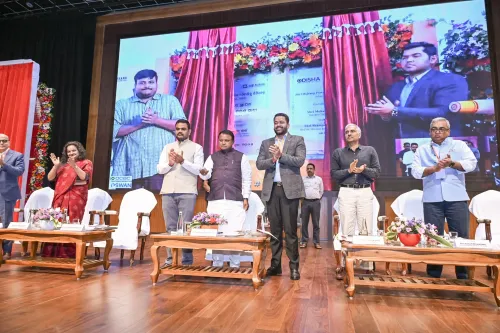
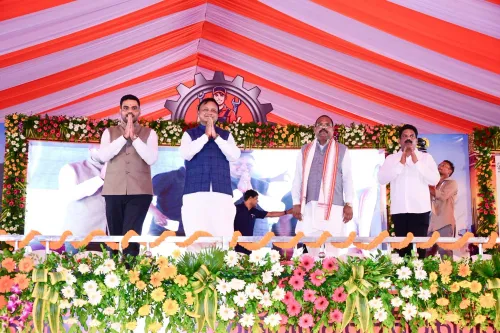
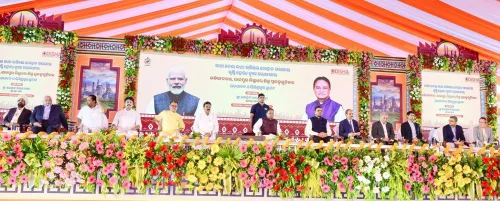
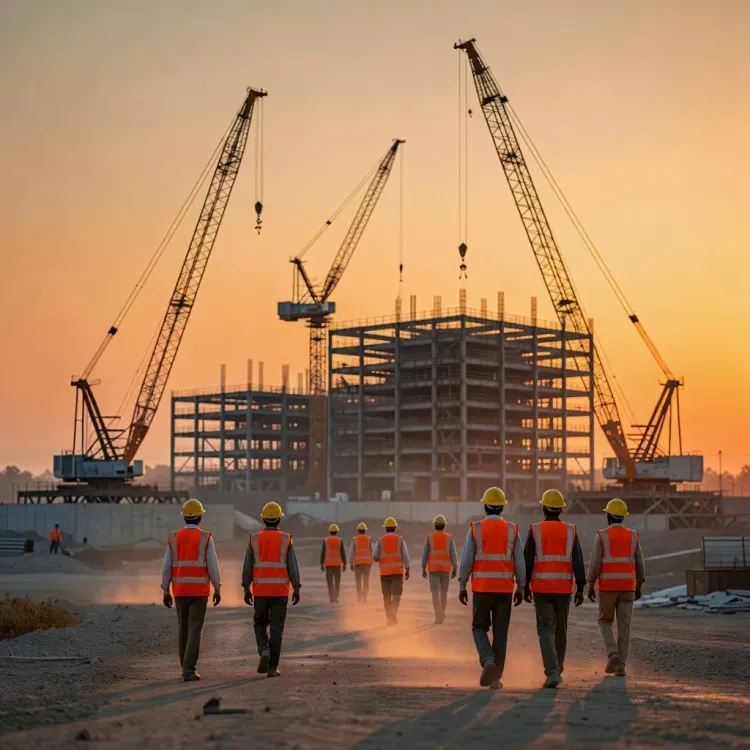
A new chapter opens today at one of India's most storied industrial corridors. Odisha Chief Minister Mohan Charan Majhi announced on Wednesday, October 14, 2026, that he will lay the foundation stone and inaugurate 46 large industrial projects at Kalinga Nagar in Jajpur district, drawing an investment of approximately ₹39,383 crore — with a promise of over 42,000 new jobs for the state's youth.
What CM Majhi announced at Kalinga Nagar
Posting in Odia, the Chief Minister framed the occasion as a 'golden chapter' — swarnima adhyaya — in Odisha's industrial and economic transformation. His government, he wrote, is 'completely committed to enriching Odisha with industry and providing employment opportunities to our talented youth in their own soil.' The twin ceremonies — foundation-laying and formal launch — span 46 major industrial projects in a single sitting, an unusually concentrated burst of investment activity for the state.
The projected outcome: more than 42,000 direct employment opportunities and a repositioning of Odisha as 'a leading manufacturing centre of the country and the world.' The CM also invoked the principle of Aatmanirbhar Odisha — a self-reliant, developed, and prosperous state — drawing explicitly on the vocabulary of national economic self-sufficiency that has dominated Indian policy since 2020.
Why Kalinga Nagar, and why now
Kalinga Nagar is no accidental choice. The industrial township in Jajpur — one of Odisha's most mineral-rich districts — was purpose-built as a steel and manufacturing hub from the early 2000s, with Tata Steel commissioning major plant phases there from 2010 onward. Successive state governments have poured resources into the corridor precisely because it converts Odisha's abundant raw materials into downstream value and, crucially, into local jobs that slow the outward migration of working-age youth.
The BJP administration under Majhi, which came to power in 2024, inherits that industrial logic and is now accelerating it. Today's event fits a recognisable pattern: large-format investment ceremonies at established industrial zones that signal both policy continuity and political momentum.
The jobs promise and what it would mean
More than 42,000 jobs in a single announcement is a significant number for any Indian state. Odisha has long grappled with youth out-migration to states like Gujarat, Maharashtra, and Tamil Nadu for manufacturing work — a demographic drain that policymakers have sought to reverse by building industrial capacity at home. If even a substantial fraction of the projected employment materialises, it would mark a measurable shift in the state's economic geography.
The CM's language is deliberately inclusive: he speaks of prosperity reaching 'every Odia family' and of the 'proper use of local resources' — signalling that this is not just a headline investment number but a pitch to communities around the Jajpur corridor that the benefits will flow downward.
Odisha's broader manufacturing ambition
Today's groundbreaking aligns Odisha with the national push under India's production-linked incentive architecture and the broader 'Viksit Bharat' framing. The state has been positioning itself as an investor-friendly destination through successive investment summits, and Kalinga Nagar anchors that pitch with an existing ecosystem — roads, power, rail connectivity, and a skilled workforce already shaped by two decades of heavy industry.
The actual test will come in the months and years ahead: how quickly these projects break ground physically, how many jobs materialise on schedule, and whether subsequent investment summits build on today's momentum or quietly revise the numbers down. For now, Odisha's industrial heartland has a new landmark date on its calendar.
For a state that has spent decades watching its mineral wealth leave by the truckload, the promise of ₹39,383 crore staying home — and putting 42,000 of its own people to work — is a wager worth watching closely.
Point of View
Which had previously been associated with the BJD's two-decade stewardship. Anchoring the announcement at Kalinga Nagar rather than a greenfield site signals policy continuity while claiming political credit. The 42,000-jobs promise also directly addresses the BJP's electoral vulnerability with young voters in a state where out-migration remains a live grievance. Whether the investment figures hold up against actual project execution will be the sharper test — Odisha has a history of announced investment outpacing commissioned capacity, and the gap between groundbreaking and ground reality will define the political dividend Majhi actually harvests.
NationPress
14 Oct 2026
Frequently Asked Questions
What did Odisha CM Mohan Majhi announce at Kalinga Nagar on October 14 2026?
CM Mohan Charan Majhi announced the foundation-laying and inauguration of 46 large industrial projects at Kalinga Nagar in Jajpur district, involving an investment of approximately ₹39,383 crore and projected to create over 42,000 new jobs in Odisha.
Where is Kalinga Nagar and why is it important for Odisha's industry?
Kalinga Nagar is an established industrial township in Jajpur district, Odisha, developed since the early 2000s as a steel and manufacturing hub. It hosts major plants including Tata Steel facilities and serves as the state's primary heavy-industry corridor.
How many jobs will the new Odisha industrial projects create?
The 46 industrial projects announced at Kalinga Nagar are projected to create over 42,000 new employment opportunities in Odisha, according to CM Majhi's announcement.
What is the total investment in the Kalinga Nagar industrial projects in 2026?
The total announced investment across the 46 projects is approximately ₹39,383 crore, as stated by CM Mohan Charan Majhi in his October 14, 2026 announcement.
What is the BJP government's industrial policy for Odisha under Mohan Majhi?
The Majhi-led BJP government, in power since 2024, is focused on converting Odisha's mineral wealth into manufacturing investment, generating local employment to reduce youth out-migration, and positioning Odisha as a national and global manufacturing centre — framed under the concept of 'Aatmanirbhar Odisha'.