CM Manik Saha launches Swachhata App at Agartala waste workshop
Synopsis
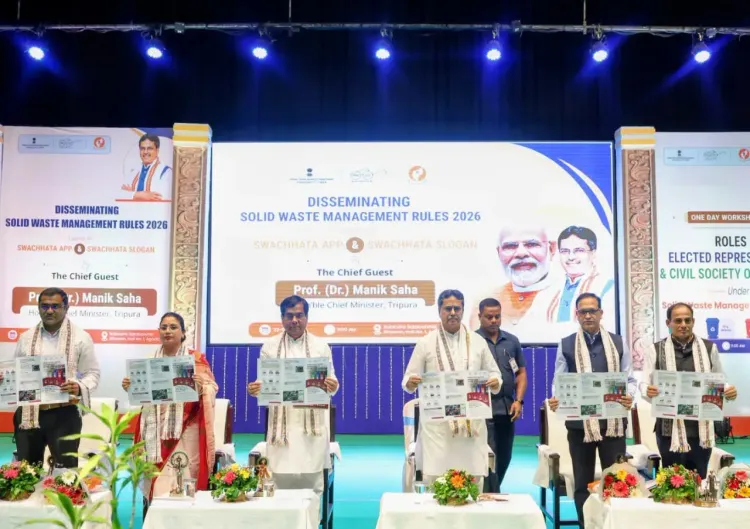
Tripura Chief Minister Dr. Manik Saha on 22 June 2026 launched the Swachhata App and unveiled a Swachhata Slogan at a state-level workshop in Agartala on the Solid Waste Management Rules, 2026, calling for collective action by elected representatives, civil society, and citizens to build a Green Tripura.
Key Takeaways
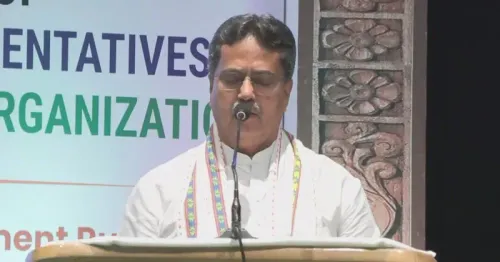
Manik Saha attended a state-level workshop at Rabindra Shatabarshiki Bhavan, Agartala on 22 June 2026 .
The workshop focused on the roles of elected representatives and civil society under the Solid Waste Management Rules, 2026 .
The Swachhata App was formally launched at the event as a digital waste-governance tool.
A Swachhata Slogan was also unveiled to promote citizen awareness around cleanliness and waste management.
The CM emphasised collective participation by elected representatives, civil society, and ordinary citizens as essential to a sustainable, environment-conscious Tripura .
The initiative aligns with the broader national Swachh Bharat Mission (Urban) 2.0 framework and India's Solid Waste Management Rules lineage dating to 2016 .
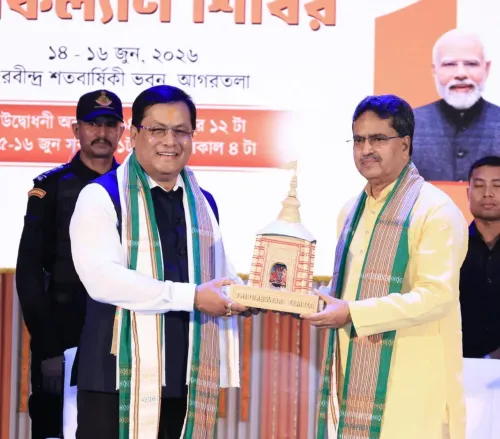
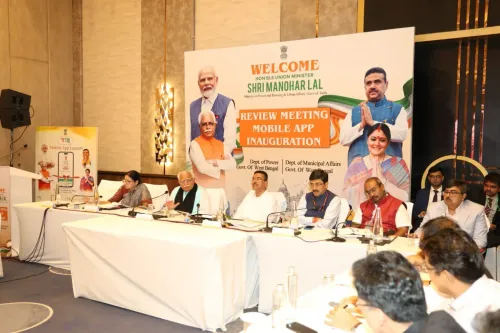
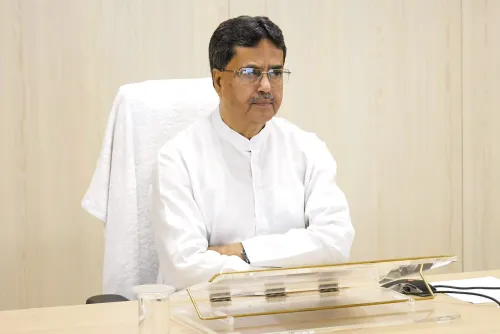
Tripura Chief Minister Dr. Manik Saha on Monday, 22 June 2026, participated in a state-level workshop at Rabindra Shatabarshiki Bhavan, Agartala, focused on the roles of elected representatives and civil society organisations under the 'Solid Waste Management Rules, 2026'. At the event, he launched the 'Swachhata App' and unveiled a 'Swachhata Slogan' aimed at advancing clean and sustainable waste governance across the state.
Context
Posting in Bengali on X, Dr. Saha wrote: 'রাজ্যে টেকসই ও পরিবেশ-সচেতন ভবিষ্যৎ গড়ে তুলতে জনপ্রতিনিধি, সুশীল সমাজের সংগঠন এবং সাধারণ নাগরিকদের সম্মিলিত উদ্যোগ ও সক্রিয় অংশগ্রহণ অত্যন্ত গুরুত্বপূর্ণ।' ['The collective initiative and active participation of elected representatives, civil society organisations, and ordinary citizens is extremely important in building a sustainable and environment-conscious future for the state.'] He expressed happiness at being able to inaugurate the Swachhata App and unveil the Swachhata Slogan at the occasion.
The workshop brought together elected representatives and civil society bodies to deliberate on their responsibilities under the new waste management framework, underscoring a whole-of-society approach to environmental governance in Tripura.
Policy Backdrop
India's Solid Waste Management Rules, 2016, notified by the Ministry of Environment, Forest and Climate Change, established the foundational framework for collection, segregation, and disposal of municipal solid waste. The Swachh Bharat Mission (Urban) 2.0, launched in 2021, further reinforced these goals with renewed emphasis on waste-processing infrastructure and citizen participation.
The workshop's reference to 'Solid Waste Management Rules, 2026' signals a prospective updated regulatory framework, building on earlier rules to strengthen compliance and accountability at the local body level. Digital tools such as the newly launched Swachhata App represent a broader national pattern of using technology to monitor cleanliness outcomes and citizen engagement.
Stakeholders and Impact
Tripura's urban local bodies, gram panchayats, and civil society groups are the primary stakeholders expected to operationalise the new rules. The state faces distinct challenges — hilly terrain, limited landfill capacity, and dispersed settlements — that make decentralised, community-driven waste management particularly relevant.
Dr. Saha stated his belief that the initiative 'will further strengthen our collective commitment towards effective waste management, a clean environment, and building a Green Tripura.' The Swachhata App is positioned as a digital accountability mechanism, potentially enabling citizens and local bodies to track waste collection and report lapses in real time.
What's Next
The measurable impact of the workshop will depend on how swiftly Tripura's urban local bodies adopt the Swachhata App and integrate the new rules into day-to-day municipal operations. Rollout metrics — including app downloads, grievance redressal rates, and waste-processing capacity additions — will be key indicators to watch.
With the formal launch of the slogan and app now complete, the onus shifts to district and municipal administrations to translate the state-level resolve into on-ground behavioural change among citizens and sanitation workers alike.
Point of View
Reflecting lessons absorbed from the mixed outcomes of earlier Swachh Bharat implementation. For a northeastern state with constrained municipal infrastructure, the Swachhata App could be a meaningful accountability lever — but its real test lies in adoption rates among smaller urban local bodies beyond Agartala. The move also keeps Tripura visible within the competitive landscape of northeastern states vying for central scheme allocations tied to urban cleanliness rankings.
NationPress
22 Jun 2026
Frequently Asked Questions
What is the Swachhata App launched in Tripura?
The Swachhata App is a digital tool launched by Tripura Chief Minister Dr. Manik Saha on 22 June 2026 at Agartala, designed to support waste management monitoring and citizen engagement under the state's solid waste governance framework.
What are the Solid Waste Management Rules 2026 in Tripura?
The Solid Waste Management Rules, 2026 is a regulatory framework referenced at the state-level workshop in Agartala, building on India's earlier Solid Waste Management Rules of 2016 to govern collection, segregation, and disposal of municipal solid waste in Tripura.
Where was the waste management workshop held in Tripura?
The state-level workshop was held at Rabindra Shatabarshiki Bhavan in Agartala, Tripura, on 22 June 2026.
What did CM Manik Saha say about waste management in Tripura?
CM Dr. Manik Saha said that the collective initiative and active participation of elected representatives, civil society organisations, and ordinary citizens is essential to building a sustainable and environment-conscious future for Tripura, and expressed confidence that the new initiatives would strengthen commitment to a Green Tripura.
How does Tripura's waste management initiative connect to Swachh Bharat Mission?
Tripura's workshop and app launch align with the national Swachh Bharat Mission (Urban) 2.0, launched in 2021, which emphasises waste-processing infrastructure, citizen participation, and digital accountability tools at the local body level.