CM Manik Saha Speaks at Solid Waste Management Inaugural
Synopsis
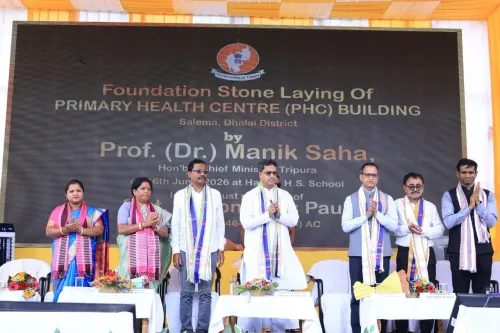
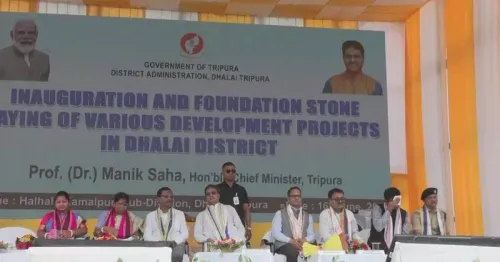
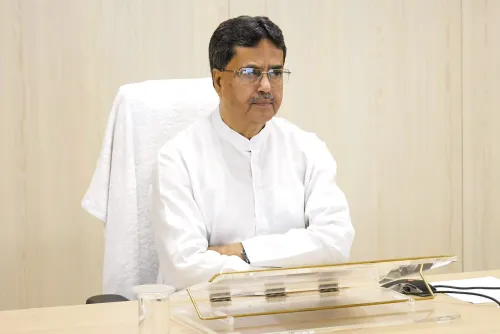
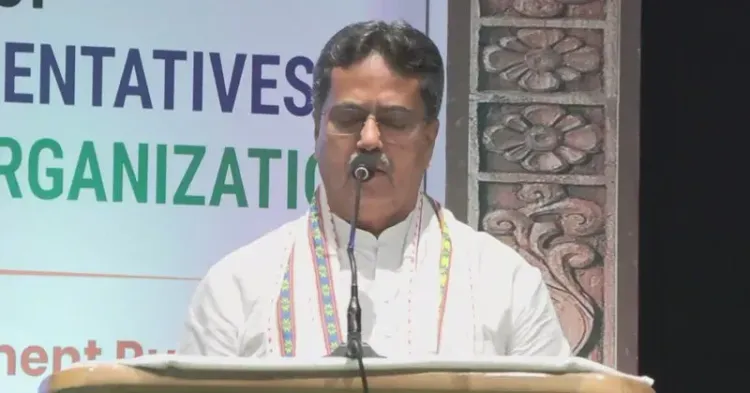
Tripura Chief Minister Dr. Manik Saha on 22 June 2026 addressed the inaugural programme of a Solid Waste Management initiative, reinforcing the state government's push for scientific urban waste disposal under the national Swachh Bharat Mission framework.
Key Takeaways
Manik Saha , Chief Minister of Tripura, spoke at the inaugural programme of a Solid Waste Management initiative on 22 June 2026 .
The event was live-streamed by the Chief Minister's office, broadening public access to the inauguration.
The programme aligns with Swachh Bharat Mission-Urban 2.0 , launched in 2021 with targets for 100% waste processing and legacy waste remediation.
Tripura adopted its state-level Solid Waste Management Rules framework in 2017–18 following the central SWM Rules, 2016 .
Northeastern states including Tripura have received dedicated central support for hilly-terrain waste processing facilities.
Tripura's performance in the next Swachh Survekshan cycle will be a key indicator of the programme's on-ground impact.
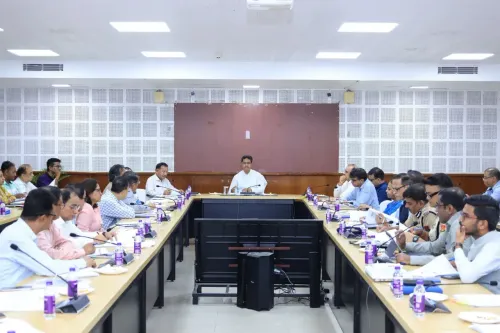
Tripura Chief Minister Dr. Manik Saha addressed the inaugural programme of a Solid Waste Management initiative on Monday, 22 June 2026, lending the state government's top-level weight to urban sanitation infrastructure in the northeastern state.
Context
Dr. Saha's presence at the inauguration signals the Tripura government's continued emphasis on urban cleanliness and scientific waste disposal. The Chief Minister shared a live broadcast of his address on social media, making the event accessible to a wider public audience beyond the venue.
Solid waste management has emerged as a priority governance issue across Indian states, with municipal bodies under increasing pressure to demonstrate measurable progress in waste segregation, collection, and processing.
Policy Backdrop
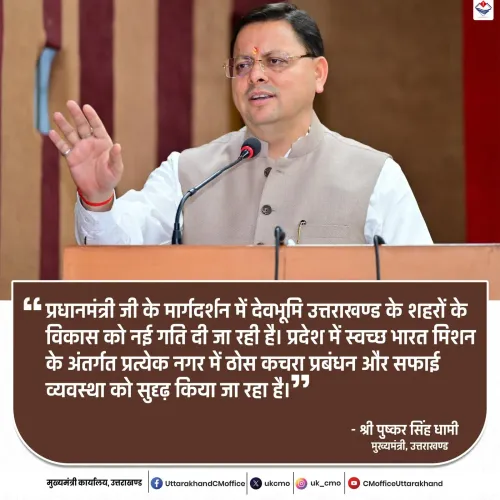
The programme sits within the broader national framework of the Swachh Bharat Mission (SBM), launched in 2014 and upgraded to SBM-Urban 2.0 in 2021. The upgraded mission set explicit targets for 100% waste processing and the remediation of legacy waste dumps across urban local bodies.
Tripura adopted its first state-level Solid Waste Management Rules implementation framework in 2017–18, following the central government's notification of the Solid Waste Management Rules, 2016. Northeastern states, including Tripura, have since received dedicated central support for hilly-terrain waste processing facilities, given the logistical challenges posed by the region's geography.
The 15th Finance Commission grants have further enabled urban local bodies across India to invest in sanitation infrastructure, with northeastern states among the beneficiaries of targeted allocations.
Stakeholders and Impact
Urban local bodies in Tripura are the primary implementing agencies for solid waste management on the ground. Residents of Agartala and other urban centres in the state stand to benefit directly from improved waste collection and processing infrastructure.
For a state like Tripura — with a relatively small urban population but significant ecological sensitivity given its forest cover and proximity to river systems — scientific waste disposal carries both public health and environmental implications. Effective solid waste management reduces open dumping, groundwater contamination, and vector-borne disease risks.
What's Next
The physical commissioning and operational performance of the inaugurated facilities will determine the programme's real-world impact. Tripura's standing in the annual Swachh Survekshan ranking — the Centre's key benchmarking exercise for urban sanitation — will serve as an independent measure of progress in the next assessment cycle.
As Indian states compete for higher Swachh Survekshan scores, inaugurations of this kind are typically followed by monitoring reviews and public reporting on waste-processing capacity added. Sustained political attention from the Chief Minister's office is widely seen as a driver of implementation quality at the local body level.
Frequently Asked Questions
What is the Solid Waste Management programme inaugurated by Tripura CM Manik Saha?
On 22 June 2026, Tripura Chief Minister Dr. Manik Saha addressed the inaugural programme of a Solid Waste Management initiative in the state, aimed at improving scientific collection, segregation, and processing of urban solid waste under the Swachh Bharat Mission framework.
What is Swachh Bharat Mission-Urban 2.0 and how does it relate to Tripura?
Swachh Bharat Mission-Urban 2.0 was launched by the central government in 2021 with targets for 100% waste processing and legacy waste remediation. Tripura, like other states, implements the mission through its urban local bodies and is assessed annually under the Swachh Survekshan ranking.
What are Tripura's solid waste management rules?
Tripura adopted its state-level implementation framework for Solid Waste Management Rules in 2017–18, following the central government's notification of the Solid Waste Management Rules, 2016.
What is Swachh Survekshan and why does it matter for Tripura?
Swachh Survekshan is the central government's annual urban sanitation ranking exercise. For Tripura, a higher ranking signals effective implementation of waste management infrastructure and can influence future central funding allocations.
Who is Dr. Manik Saha and what is his role in Tripura?
Dr. Manik Saha is the Chief Minister of Tripura and a BJP leader who assumed office in 2022. Before entering politics, he served as a cardiologist and later as the state's health minister.